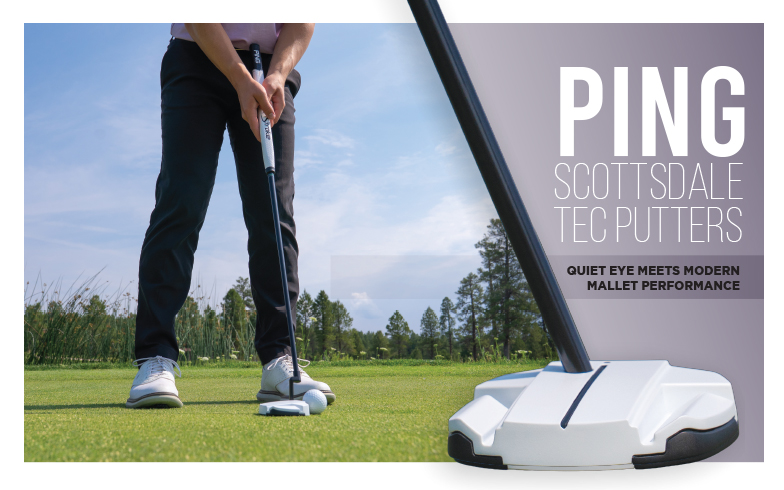
Quiet Eye meets modern mallet performance
There is a moment every golfer knows all too well. You stand over a six footer thinking this is never missing. Then the eyes start wandering. Ball. Line. Hole. Back again. Suddenly the stroke feels like you are guessing rather than rolling it.
PING reckons it has found a way to calm all of that down with the new Scottsdale TEC range. Big claim. But after spending time with these, there is something going on here that feels a little different to the usual new release noise.
These need to do more than just look good in the bag. They need to hole putts.
FIRST LOOK
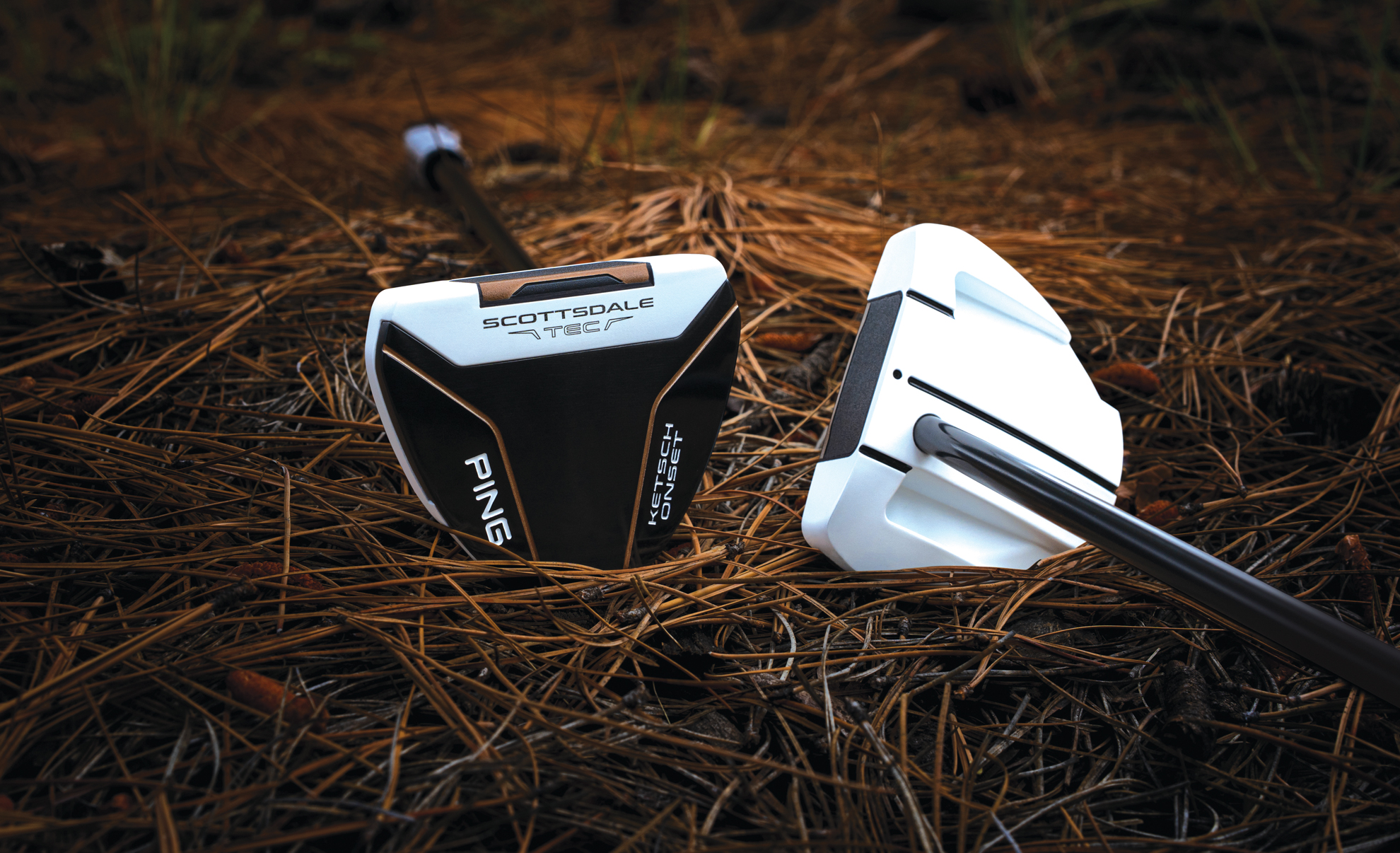
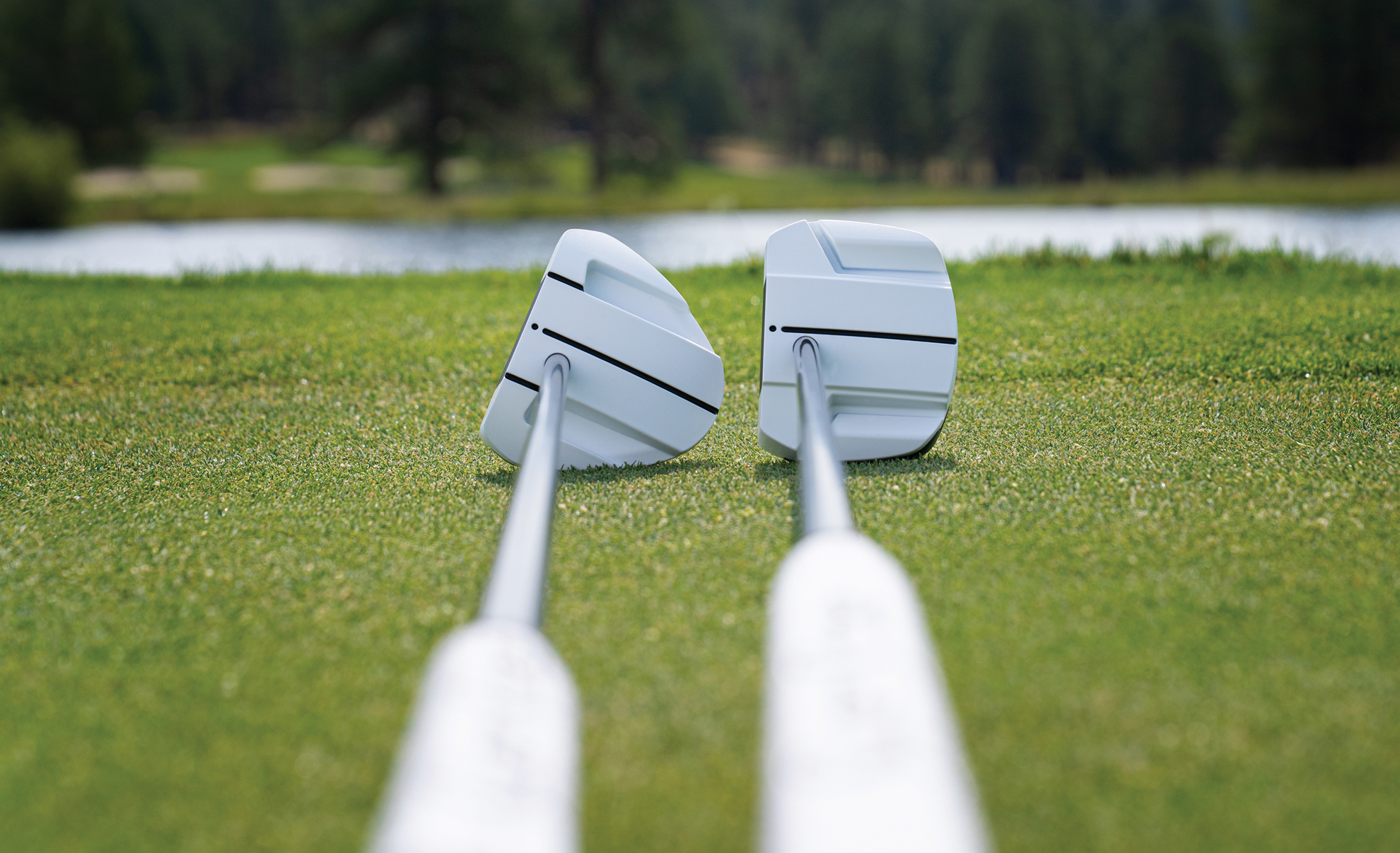
Let’s not dance around it. These putters are white. Proper white. The kind that stands out from across the green.
It is a bold move but a clever one. Put it down behind the ball and everything sharpens up. The contrast is excellent and the alignment features jump straight into view. No squinting. No second guessing.
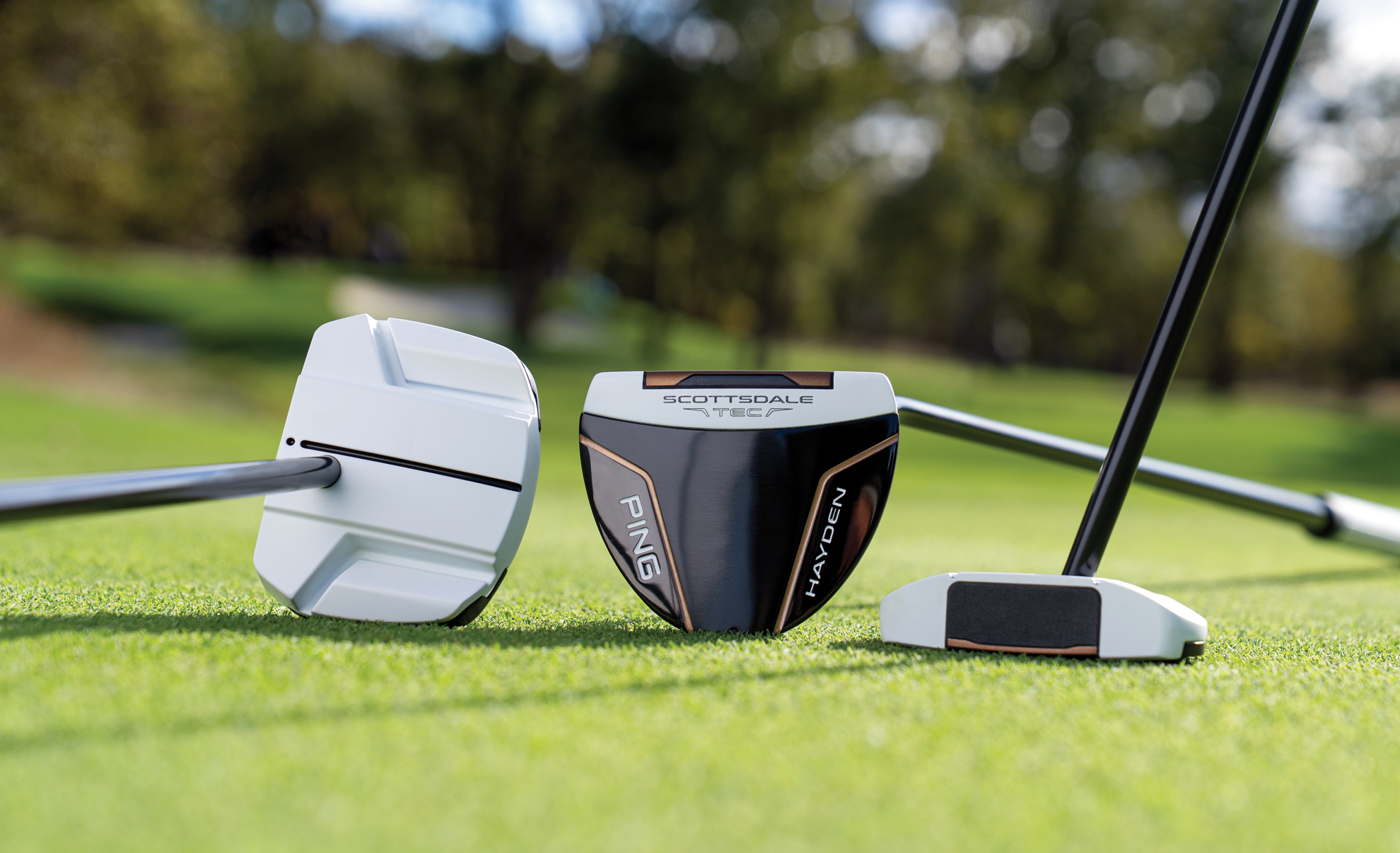
Shape wise it is classic PING mallet territory. The Ketsch is back and still looks like it means business. The Ally Blue is a little more compact for those who are not ready to go full spaceship. The Hayden sits nicely in the middle.
And here is the key point. No blades. Not even a token one. This is PING saying if you want forgiveness and consistency then this is the lane.
EYE Q ALIGNMENT
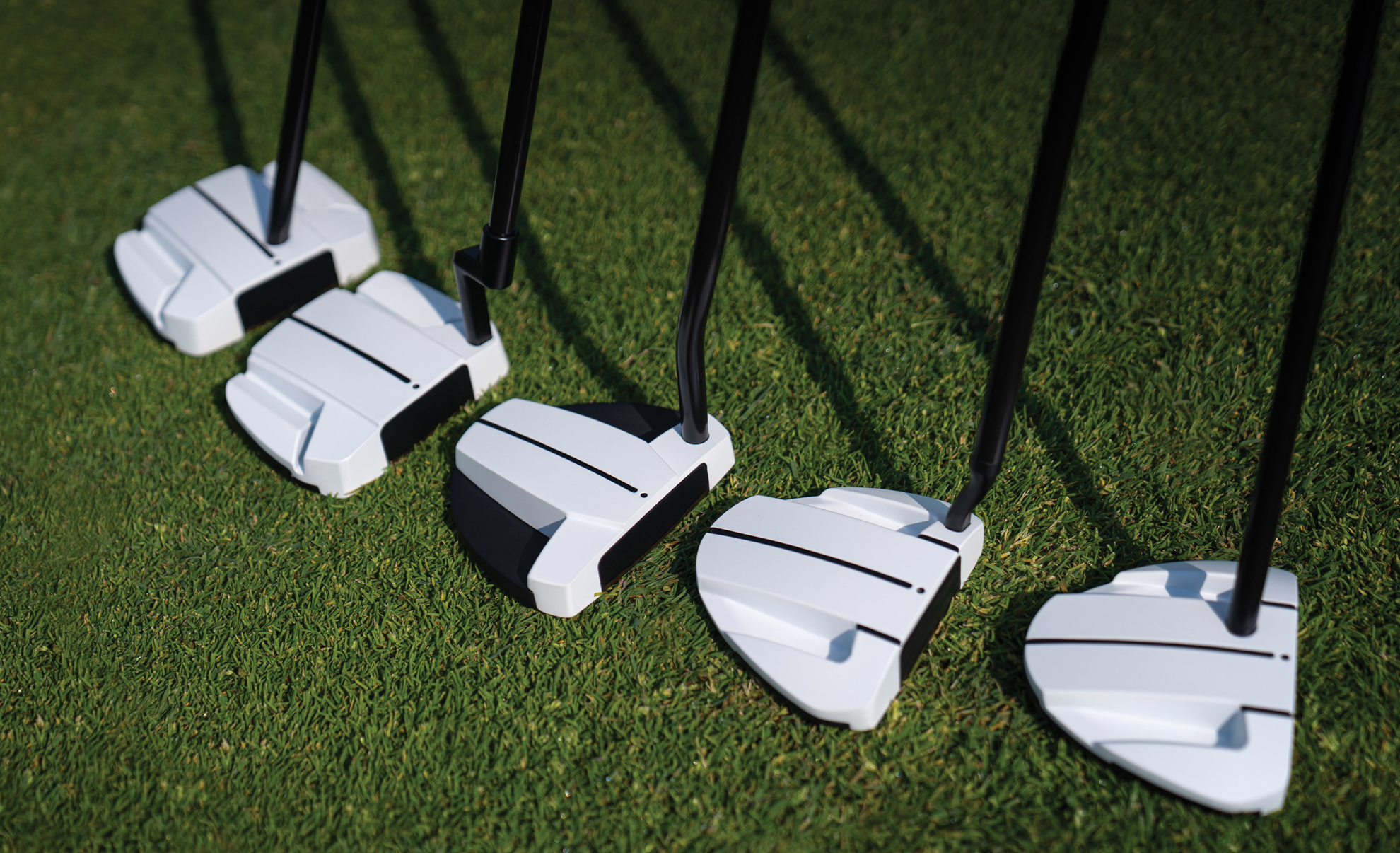
This is where PING has gone a bit deeper than the usual alignment line story.
Eye Q is built around something called Quiet Eye. It sounds like a meditation app but it is actually used in elite sport. The idea is simple. The best performers keep their eyes still and focused for longer before they make a movement.
PING tested this properly using eye tracking glasses. Yes really. Golfers rolled putts while their eye movement was measured. The takeaway was clear. Certain alignment designs helped players settle and hold their focus for longer.
So what you get here is a dot and line combination that just seems to calm things down. You are not fighting the putter. You are not overthinking it. You just set it down and roll it.
It is one of those rare bits of tech that does not feel like tech. It just works.
ONSET DESIGN
Now for something that looks a bit different.
The onset models shift the shaft closer to the middle of the head. It gives you a really clean look at the ball with nothing getting in the way.
At first glance it feels slightly unusual. Give it five minutes and it starts to make sense. The face looks square. The ball sits perfectly framed. You stop worrying about where it is aimed.
It is no surprise that players have started putting it in play. When something makes alignment easier under pressure it tends to stick around.
FORGIVENESS AND STABILITY
This is where PING does what PING always does. Build something that is very hard to mess up.
The weight is pushed low and wide. The head feels planted through the stroke. Miss it slightly out of the middle and it still rolls out on a decent line.
On longer putts this is where it really earns its keep. You do not have to be perfect to get the ball somewhere near the hole. And that takes pressure off the whole game.
There are plenty of mallets on the market claiming this. Few feel quite this stable without becoming clunky.
CENTRE OF GRAVITY
PING has always been big on this and it still matters.
The centre of gravity sits behind the shaft which helps the putter move through the stroke in a more natural way. Less wobble. Less manipulation. More of a simple rocking motion.
You are not thinking about it while you putt but it is one of those details that adds up over a round.
FEEL AND RESPONSE
The insert is soft but not sleepy. That is the best way to describe it.
You get a nice little click off the face with enough feedback to know what you have done. Distance control feels predictable which is half the battle once you get past ten feet.
It is not overly firm and it is not marshmallow soft. It sits right in the middle which will suit most players.
PERFORMANCE
This is where it all comes together.
The biggest win is how easy it is to start the ball on line. That sounds obvious but plenty of putters do not make it easy.
Short putts feel more committed. You are not hanging back or steering it. Mid range putts hold their line nicely. Lag putting becomes less of a lottery.
There is also something to be said for how consistently you set up. The visuals do a lot of the work for you. That alone can save a few shots over the course of a round.
WHO IT SUITS
Pretty much everyone apart from the die hard blade loyalists who refuse to move on.
If you struggle with alignment this will help. If you want more forgiveness this will help. If you are thinking about switching to a mallet but do not want something that looks too big there are options here.
Even better players will find plenty to like especially when the pressure is on and you just want something that behaves.
VERDICT
PING has not tried to reinvent putting. It has just made it a bit easier.
The Scottsdale TEC range brings together strong visuals, serious stability and a feel that works across the board. More importantly it gives you a bit more confidence standing over the ball.
And let’s be honest that is what most of us are really buying.
If it turns a few of those nervy six footers into tap ins it is doing its job.
PROS
Outstanding alignment that genuinely helps you settle over the ball
Very stable through impact with excellent forgiveness on off centre strikes
Clean visual contrast makes aiming simple in all light conditions
Balanced feel that suits a wide range of players
Onset models offer a fresh and effective look at address
CONS
White finish will not suit traditionalists
Mallet only line limits choice for blade loyalists
Onset design may take time to get used to for some players
Larger head shapes will not appeal to everyone