9 Ways to Actually Lower Your Handicap (Without Losing Your Mind)
Lowering your handicap is the great obsession of every golfer who has ever walked past a mirror and thought, “there’s a player in there somewhere.” The good news? You don’t need a swing rebuild, a £600 driver or a sports psychologist on speed dial. The bad news? You do need a plan.
Here are nine proven ways to bring your scores down – the kind that actually move the needle, not just make you feel busy on the range.
1. Get Honest About Your Game
Before you fix anything, you need to know what’s actually broken.
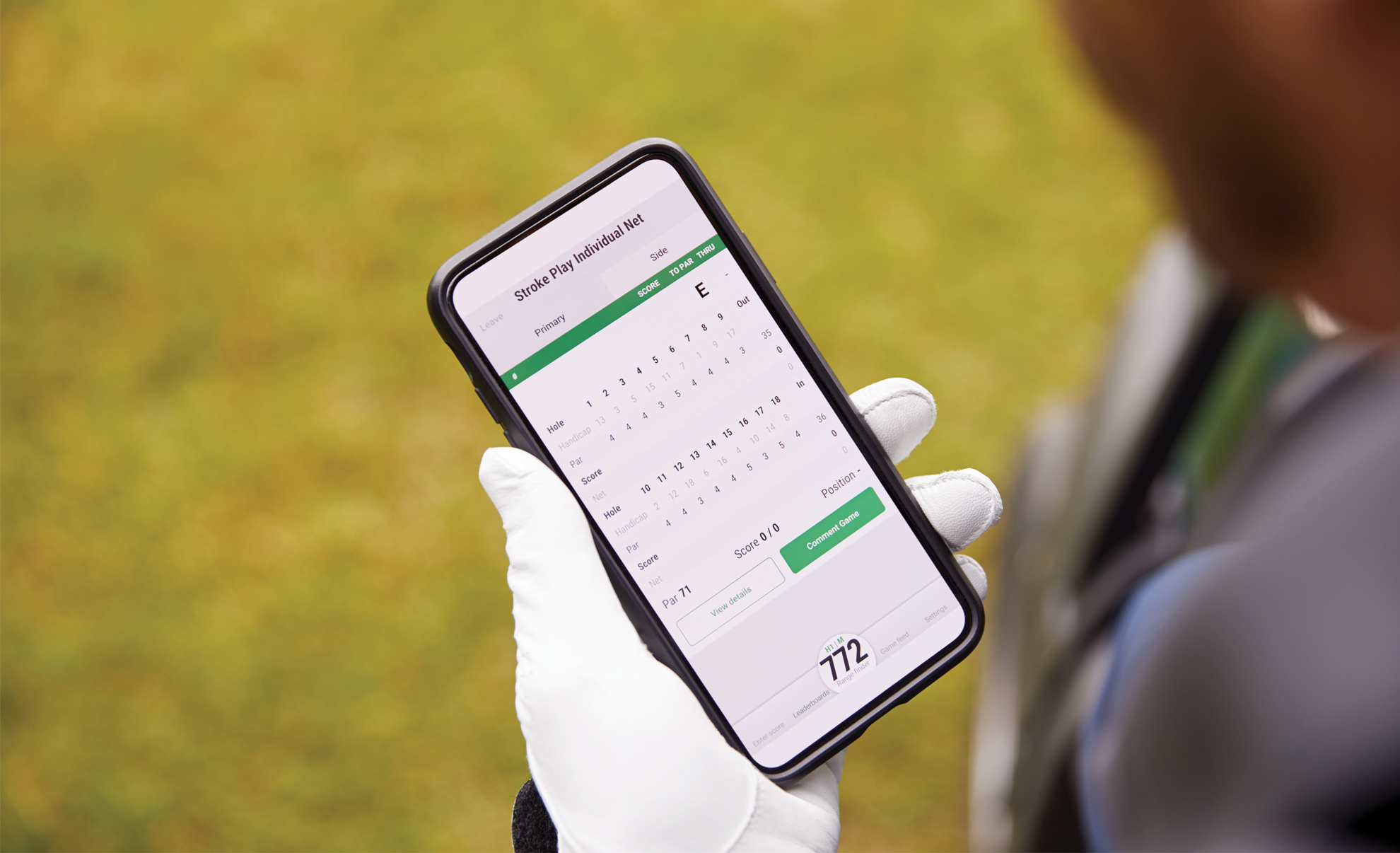
Too many golfers think they’re losing shots off the tee when in reality they’re bleeding strokes from 80 yards and in. Track your rounds properly. Fairways hit, greens in regulation, up and downs, putts per round. The numbers don’t lie.
If you’re serious, use an app or even just a notebook. Within three rounds, patterns emerge. That’s your roadmap.
2. Build a Go-To Shot Under Pressure
You don’t need every shot. You need one shot you trust when it matters.
Whether it’s a little fade with the driver or a stock 7 iron that never misses left, your “default” shot becomes your safety net. Under pressure, your swing will never be at its best, so having a reliable pattern is everything.
Tour players don’t hit it perfectly. They just know where the miss is.

3. Master 100 Yards and In
If you want a fast track to a lower handicap, this is it.
The average club golfer loses most shots inside wedge range. Poor contact, distance control that’s guesswork, and zero structure to practice. Meanwhile, better players are licking their lips from 100 yards.
Create a system. Know your carry distances for half, three quarter and full wedges. Practise landing zones, not just hitting balls.
Turn 100 yards into a scoring opportunity, not a survival exercise.

4. Stop Trying to Hit Hero Shots
Every golfer has one. The “I can get there” moment from the trees. It usually ends with a reload.
Smart golf is boring golf. Chip out. Take your medicine. Leave yourself a number you like.
The quickest way to drop your handicap is to eliminate doubles. Not by making more birdies, but by making fewer bad decisions.
Ask yourself one simple question before every risky shot: what’s the worst that can happen? If the answer is “big number”, put the ego away.

5. Improve Your Strike, Not Your Swing
There’s a difference.
You don’t need to look like Adam Scott to play good golf. You need to strike the ball well. That means centre face contact and consistent low point control.
Simple drills work. Place a tee just in front of the ball and strike through it. Or use foot spray on the clubface to monitor contact.
Better strike equals better distance, tighter dispersion, and fewer disasters. It’s not glamorous, but it works.

6. Learn to Putt Like You Mean It
Putting is where handicaps go to die.
Most golfers practise putting by rolling a few balls aimlessly before a round. Then they wonder why they miss everything outside six feet.
Break it down into three areas:
- Start line(can you roll it where you’re aiming?)
- Pace(can you get it past the hole consistently?)
- Short putts(are you automatic inside five feet?)
Spend real time here. If you hole out properly from inside six feet and eliminate three putts, your handicap will drop faster than anywhere else.

7. Play the Right Tees (Yes, Really)
This one hurts the ego, but it’s non-negotiable.
If you’re hitting hybrid into every par four, you’re playing the wrong course. Golf should be played with a mix of clubs into greens, not a survival test.
Moving forward a set of tees doesn’t make you less of a golfer. It gives you more scoring chances, builds confidence, and actually reflects how the course was designed to be played.
Even the best players in the world don’t make it harder than it needs to be.

8. Create a Proper Practice Structure
Turning up and hitting balls is not practice. It’s exercise.
Split your sessions into blocks:
- Technical work (10–15 minutes)
- Skill work (targets, shaping shots, distance control)
- Pressure games (can you hit five in a row, can you get up and down three times out of five?)
Finish with something competitive. One ball. One target. Just like the course.
If your practice doesn’t resemble play, don’t expect your scores to change.

9. Manage Your Mind, Not Just Your Swing
Golf is played between the ears more than anywhere else.
Bad shots will happen. The difference is how long they stay with you. The best players reset quickly. No drama, no overthinking, just the next shot.
Build a routine. Same process before every shot. Same reaction after. Control what you can control.
And remember this: you don’t need your best golf to score. You need your average golf to be better.

It’s About Scoring, Not Swinging
Lowering your handicap isn’t about chasing perfection. It’s about stacking small wins.
Fewer doubles. Better wedge play. Smarter decisions. Cleaner contact. Suddenly that 12 becomes a 9. That 9 becomes a 6. And you start to see the player you always thought was in there.
Because here’s the truth: most golfers are closer than they think. They’re just focusing on the wrong things.
Sort the basics, commit to a plan, and keep a bit of banter about it along the way. After all, if you can’t enjoy the ride, what’s the point?