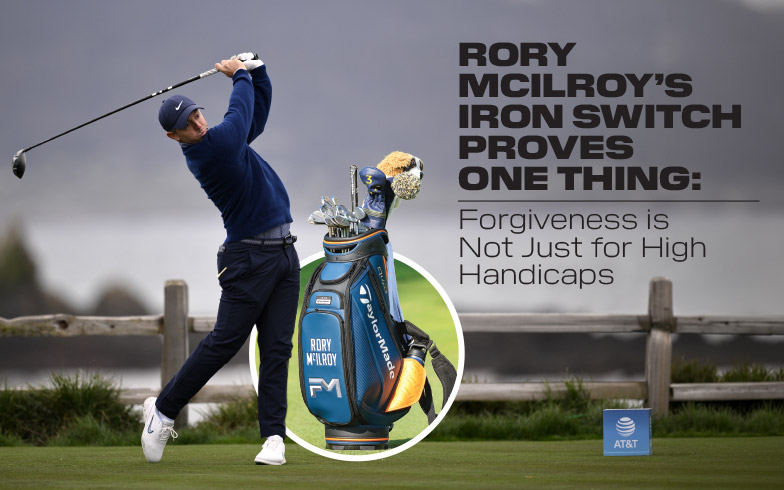
Rory McIlroy has never been the type of player to change equipment on a whim. Every tweak in his bag is tested, analysed, and measured against one simple standard: does it help him shoot lower scores? That is why his recent cavity back iron dalliance made so much noise across the golf world. When one of the best ball strikers of his generation adjusts something as fundamental as his iron setup, it is not a marketing exercise. It is a performance decision.
Rory has long been associated with a classic “players iron” look. In his TaylorMade era, he regularly gamed the TaylorMade P730 blades, often blending them with P750 or P760 models depending on conditions and course setup. Those irons were as traditional as it gets: compact heads, thin toplines, minimal offset, and the kind of feedback that tells you instantly whether you flushed it or missed it by half a groove. They suited Rory perfectly because his strike quality was consistently elite, and his ability to flight and shape the ball has always been one of his greatest strengths.
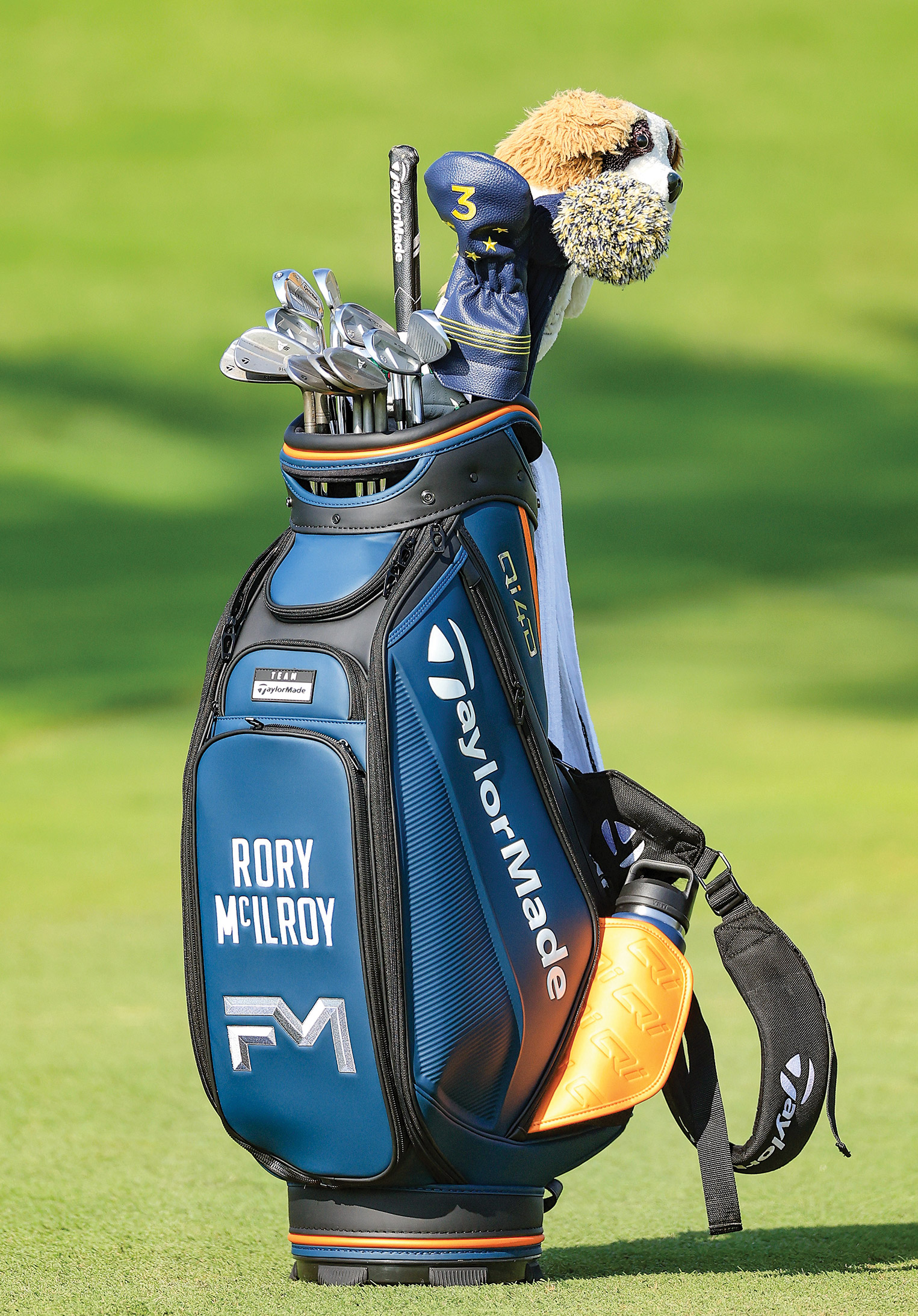
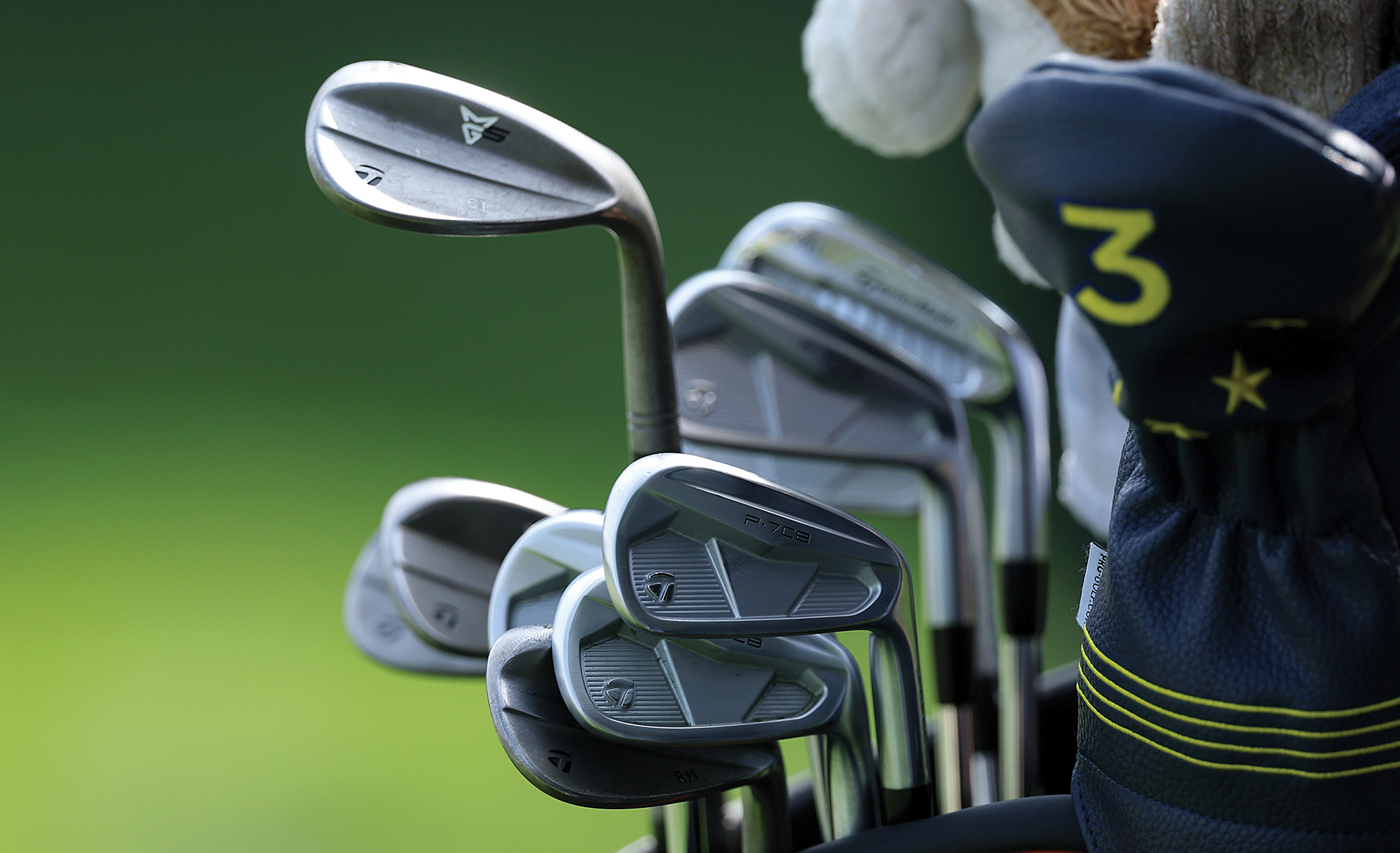
But at the start of year he experimented with a more forgiving iron setup. The move saw him testing and using a combination that leans more towards the TaylorMade P770 and similar modern “players distance” style irons, particularly in the longer end of the set. This is a significant change in philosophy. The P770 still looks like a clean players iron at address, but it offers noticeably more help under the bonnet through hollow body construction, more perimeter weighting, and a faster face designed to protect ball speed on slight mishits.
Rory ultimately reverted back to his trusty blades but the experiment wasn’t about him abandoning shot making. It was about prioritising consistency. It was also a very loud message to every good amateur golfer who has ever refused to try a more forgiving iron because they thought they were too good for them.
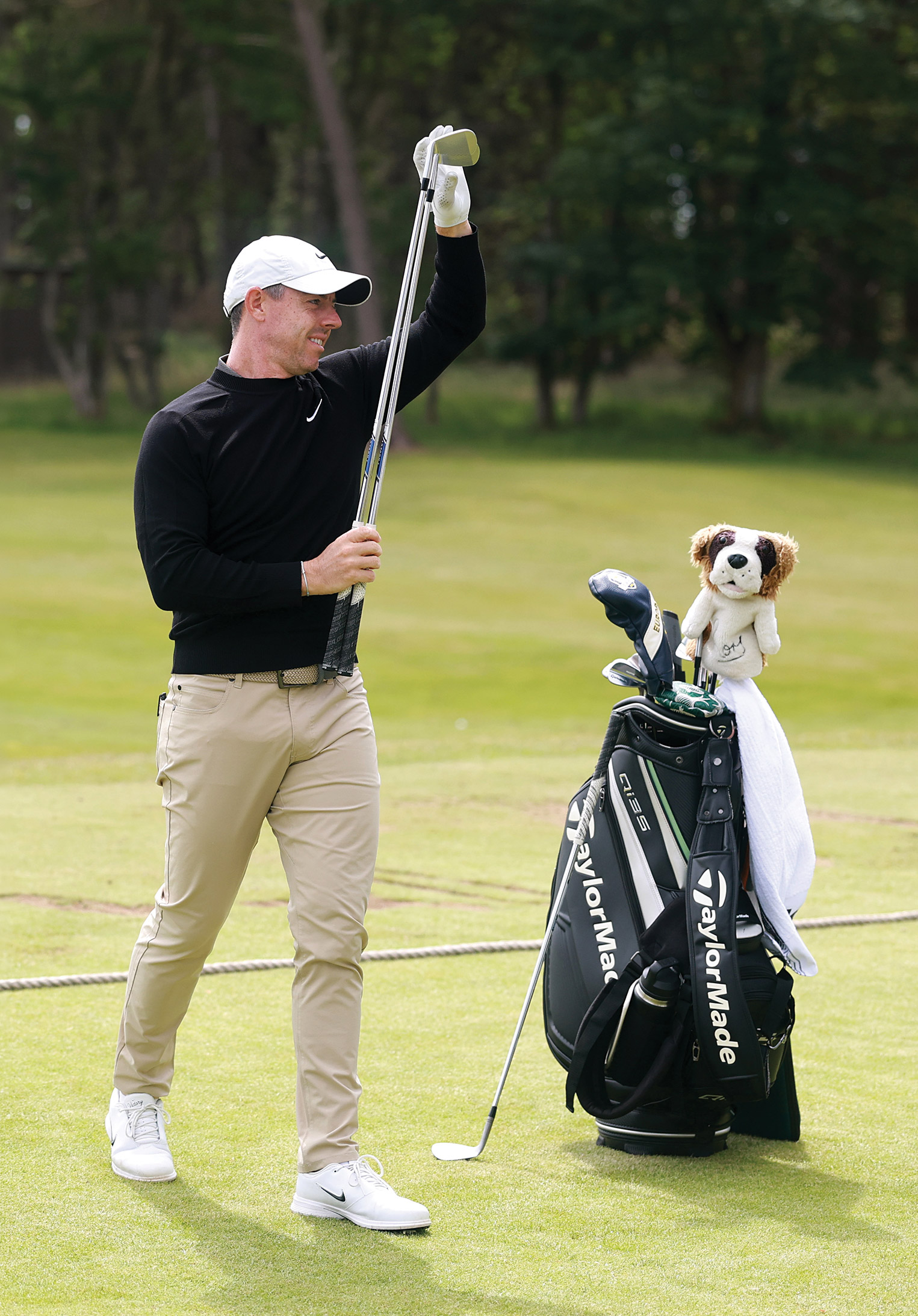
Rory’s usual setup is built around the TaylorMade P730 – the traditional gold standard of elite ball striking. Those irons are designed for pure control and precision. They reward perfect contact and offer unrivalled feel when hit flush. The problem is that they also punish anything slightly off centre. Even for Rory, who hits it cleaner than almost anyone on the planet, a marginal miss can mean a few yards lost in carry, a little more curve than expected, or a shot that fails to hold a firm green.
The move to try irons like the P770 was not about chasing distance. Rory already has distance in abundance. This was about predictable performance. The P770 style head is designed to launch a touch higher, maintain ball speed across more of the face, and tighten dispersion. The key is that it does all of this while still looking “Tour” enough to satisfy a player who demands confidence at address.
In simple terms, Rory switched from irons that demand perfection to irons that still reward great swings but do not punish the slight imperfections as brutally.
If the best players in the world are making forgiveness part of their strategy, it becomes difficult to justify why so many low handicappers still treat game improvement technology like an insult.
The term “game improvement” has always been misleading. It sounds like something designed for beginners, for golfers who struggle to break 100, or for players who need maximum help getting the ball airborne. In reality, modern game improvement irons are not just about launch and distance. They are about reducing the penalty of imperfect contact.
That matters to every golfer, including the ones who hit it well.
Even a single figure handicap does not strike the centre of the face every time. The difference between a Tour pro and a good amateur is not that the amateur misses the middle and the pro does not. The difference is that the pro misses it by millimetres, while the amateur misses it by centimetres. That gap might not look dramatic, but it has a huge impact on distance and dispersion.
This is exactly where modern forgiving irons earn their keep. They retain ball speed when you catch it slightly thin. They reduce the distance loss on toe strikes.
They keep the face more stable through impact so the ball starts closer to the intended line. They launch higher, which means the ball lands softer and holds greens more reliably.
That last point is critical. Better players do not just want to hit greens. They want to hit it close. A slightly higher peak height and a more consistent descent angle can turn a mid iron approach from a nervy bounce through the back to a shot that stops within ten feet.
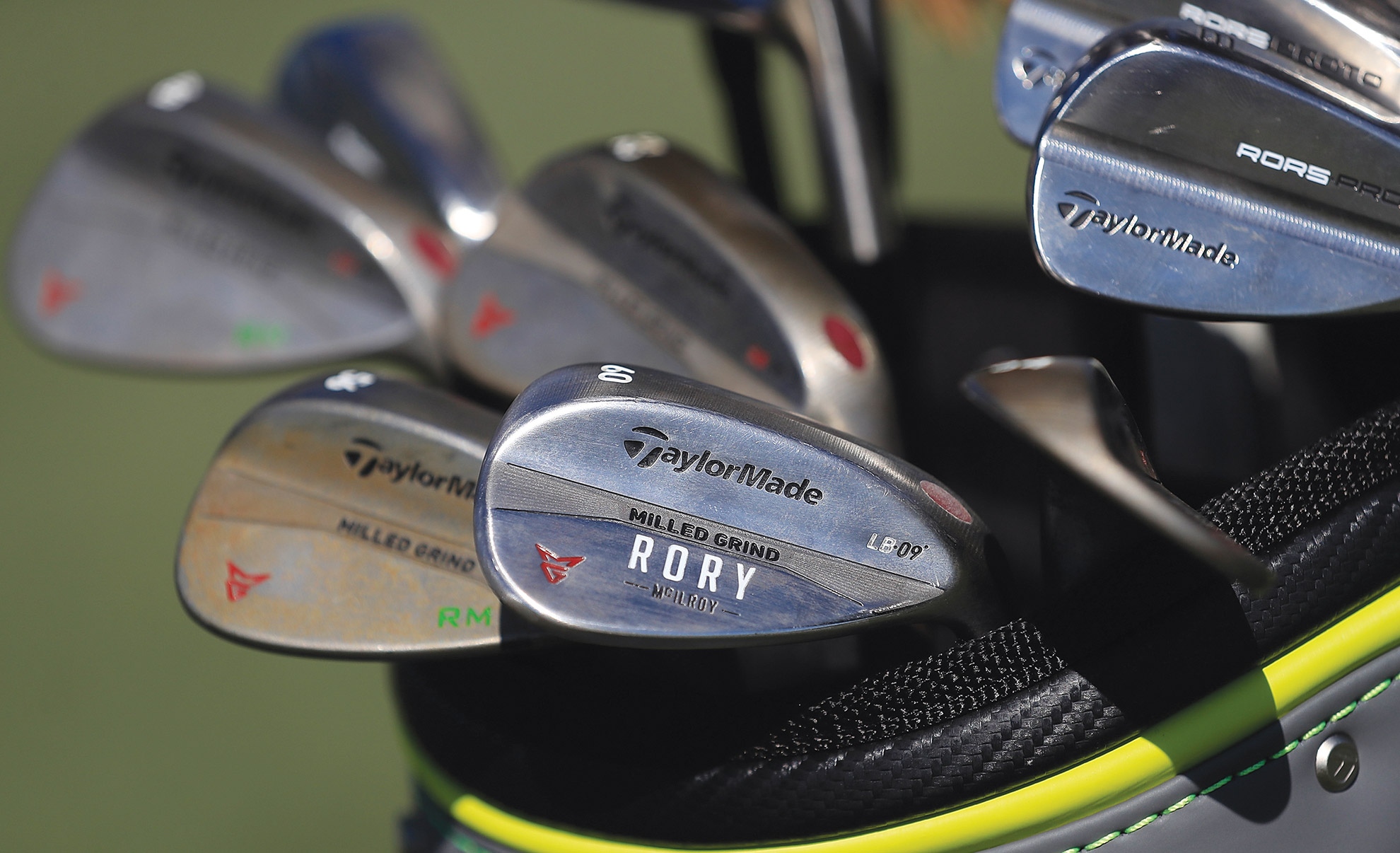
That is not game improvement. That is scoring improvement.
Rory’s brief iron switch was proof that the smartest golfers are not choosing clubs based on ego. They are choosing clubs based on outcomes.
The easiest way to reduce your handicap is to hit more greens in regulation. It sounds obvious, but most golfers do not build their bag around that principle. They choose irons that look like what they see on television, then wonder why they keep missing greens from 170 yards.
Rory’s shift from the P730 blade style into a more forgiving iron profile was aimed at reducing variance. Over four rounds, the difference between hitting 14 greens and 11 greens is enormous. It changes the entire scoring dynamic. It reduces the reliance on scrambling. It lowers stress. It creates more birdie looks. It also reduces the number of bogeys caused by a slightly heavy strike that comes up short into a bunker.
Golf is not won by your best swings. Golf is won by how good your average swing is. That is the part amateurs often forget. Rory has built his career on elite ball striking, but even he is acknowledging that modern equipment can make the “almost good” shots significantly better.
Many amateurs would see a P770 and call it a compromise. Rory believed it could give him competitive edge.
Rory’s iron tinkering fits perfectly into the biggest equipment trend in modern golf: combo sets. Many elite players no longer use one iron model throughout the bag. They blend forgiveness in the long irons with more traditional shapes in the scoring clubs.
It makes perfect sense. A four iron is not a scoring club for most players. It is a positioning club, a par five attacking club, or a wind club. Forgiveness and launch matter far more there than ultra precise shaping.
The short irons are where control and feel become more important, so players often retain a more compact design in the eight iron through pitching wedge range.
This is exactly why the “better players only use blades” argument is falling apart. The modern game has changed. Courses are longer. Rough is thicker. Greens are firmer. Launch and carry matter more than ever, even for the best in the world.
The modern players distance iron, like the P770, gives golfers the ability to launch the ball high, carry trouble, and hold greens without sacrificing the look and confidence that better players demand.
It is a clever middle ground, and it is becoming the default choice for golfers who care more about scoring than tradition.

Rory’s brief flirtation with a more forgiving iron profile ultimately ended where it began – back in the blade. He returned to his trusted P730 setup, which for a player of his ability and consistency, makes perfect sense.
But that is almost beside the point. What matters is that he went there at all. He tested the technology without ego. He weighed the evidence without sentiment. And then he made his decision based purely on performance.
That is the real lesson for the rest of us. Not which iron Rory ultimately chose, but how he approached the choice. If you are a decent player who wants to reduce your scores, give yourself the same permission he did – set aside the image, test what actually works for your game, and let the numbers make the decision.
The scorecard does not care what your irons look like. It only cares what you shoot.


