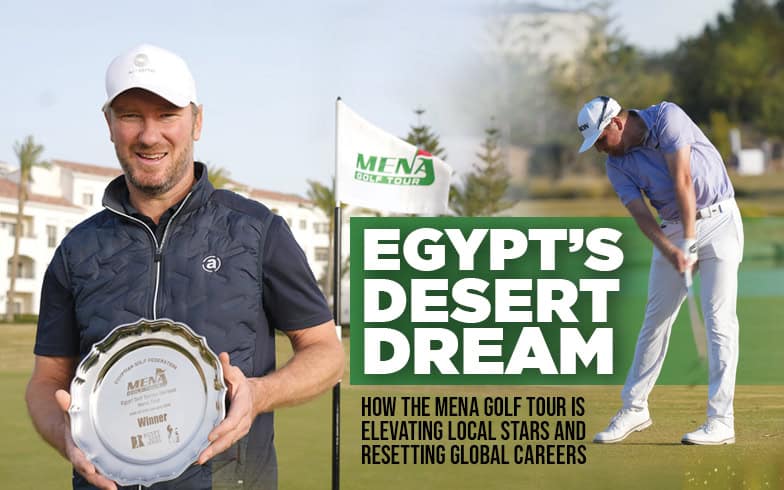
How the MENA Golf Tour Is Elevating Local Stars and Resetting Global Careers
olf has always had a way of bringing people together, from weekday warriors chasing birdies with mates to young talents dreaming of tour cards. But few places capture that inclusive, rising tide lifts all boats feeling quite like the sun-soaked greens of Egypt during the latest MENA Golf Tour swing.
As part of the revitalised 2025 to 26 season, the Tour’s return to North Africa was more than just a string of tournaments stitched into a calendar. It became a proving ground where emerging stars found belief, local players found a platform, and seasoned professionals rediscovered the fire that once carried them to the top of the game.
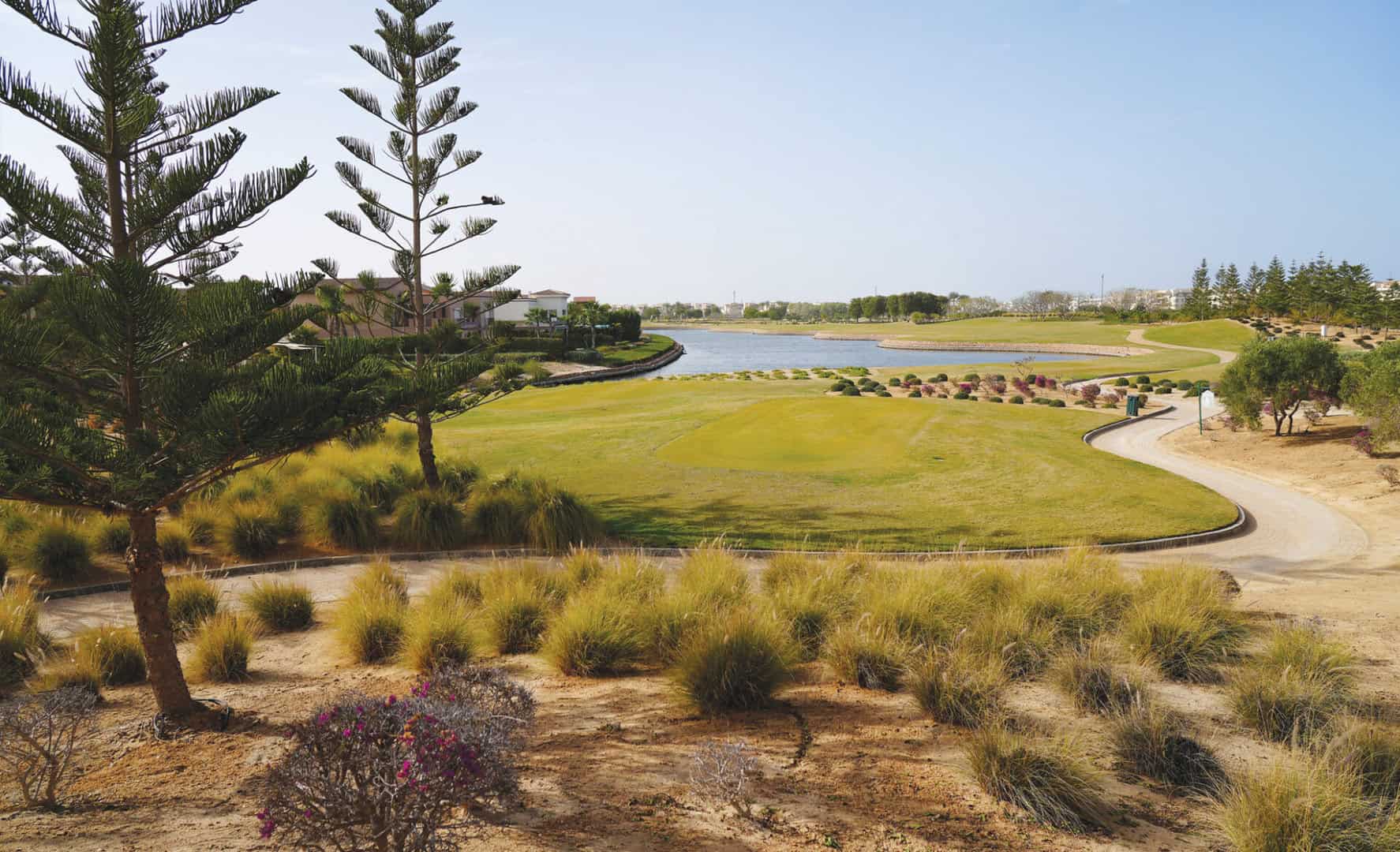
From Cairo’s desert outskirts at New Giza to the windswept Mediterranean coastline of Marassi, Egypt delivered drama, quality and meaning in equal measure. The fairways told stories far richer than simple leaderboards. This was about opportunity meeting experience. About futures being launched and past glories finding fresh relevance.
By the time the final putts dropped, one thing was clear. The MENA Golf Tour’s Egyptian swing was not just a success. It was a statement.
A Stage Built for Opportunity
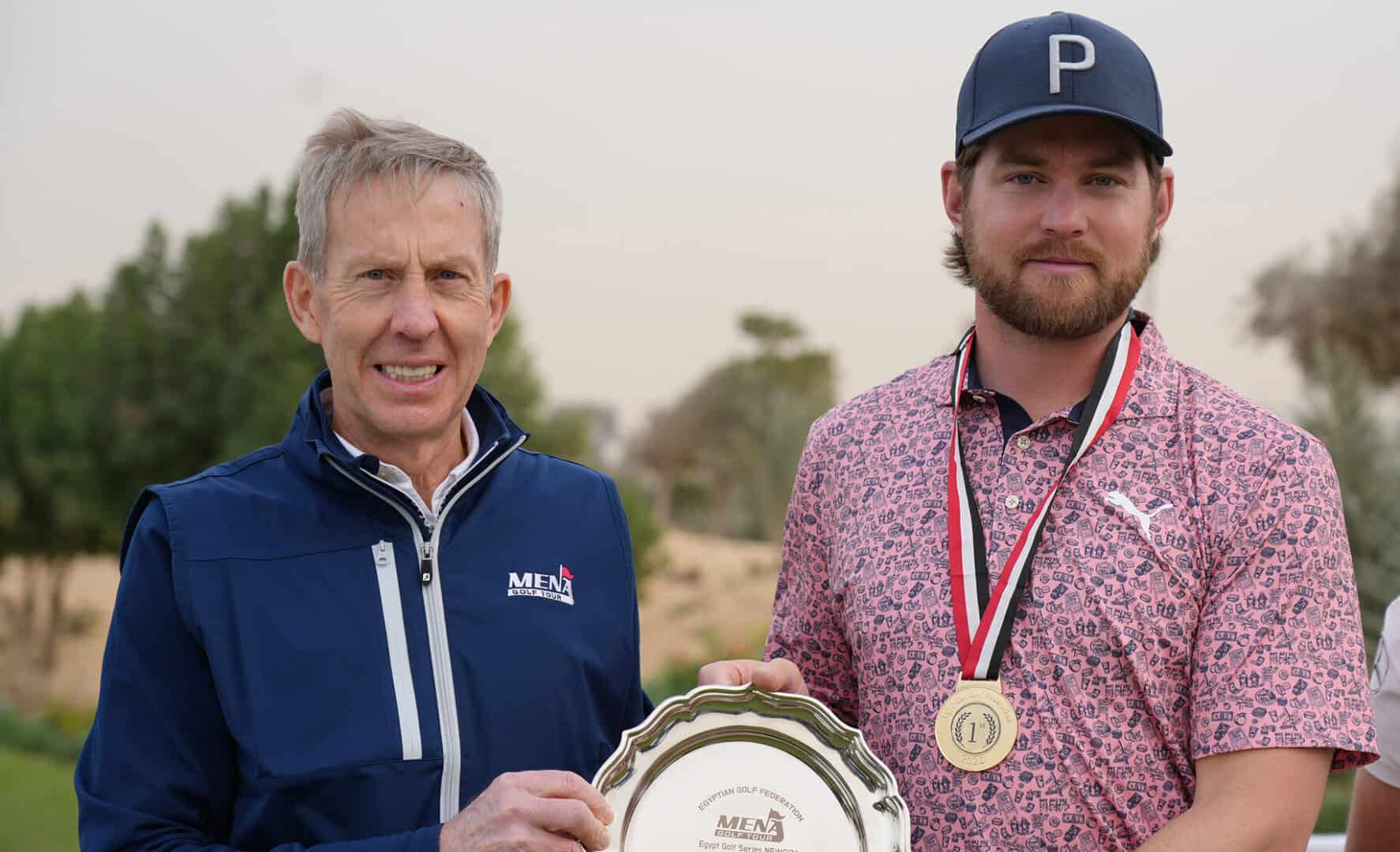
The first act unfolded at New Giza Golf Club, a modern desert layout that demands patience and precise ball striking. It was here that Finland’s Lauri Ruuska produced a breathtaking final round to surge from seven shots back and claim victory, announcing himself as one of the season’s most exciting young prospects.
Ruuska’s win set the tone. This was a Tour where youth would not just participate. It would contend.
But while international names filled the fields, it was the local and regional voices that brought a unique energy to the Egyptian swing. Players from Egypt and across the Middle East and North Africa walked onto the first tee not just as guests or hopefuls, but as professionals with genuine belief.
For golf fans around the continent, from Cairo to Casablanca, seeing homegrown names competing at this level injected a long needed spark. Egypt’s role as a host nation was significant in itself, showcasing venues like New Giza and Marassi to a global audience while nurturing talent that might one day compete on the DP World Tour and beyond.
The ripple effect was immediate. Junior programmes buzzed with excitement. Local federations pointed to new role models. Young players who once felt a world away from elite competition suddenly found themselves sharing practice greens with Ryder Cup veterans.
There was a subtler story too. Players who might otherwise grind away on mini tours or in qualifying school trenches found a genuine platform on the MENA Golf Tour. Here they could earn world ranking points, sharpen competitive instincts and build confidence round by round.
When young players stand shoulder to shoulder with seasoned professionals and perform with conviction, the long road to elite golf stops being an abstract dream and starts feeling like a plan.
Youth, Belief and Homegrown Momentum
As the Tour moved north to the Mediterranean coast and Address Marassi Golf Resort, the conditions stiffened and the storylines deepened.
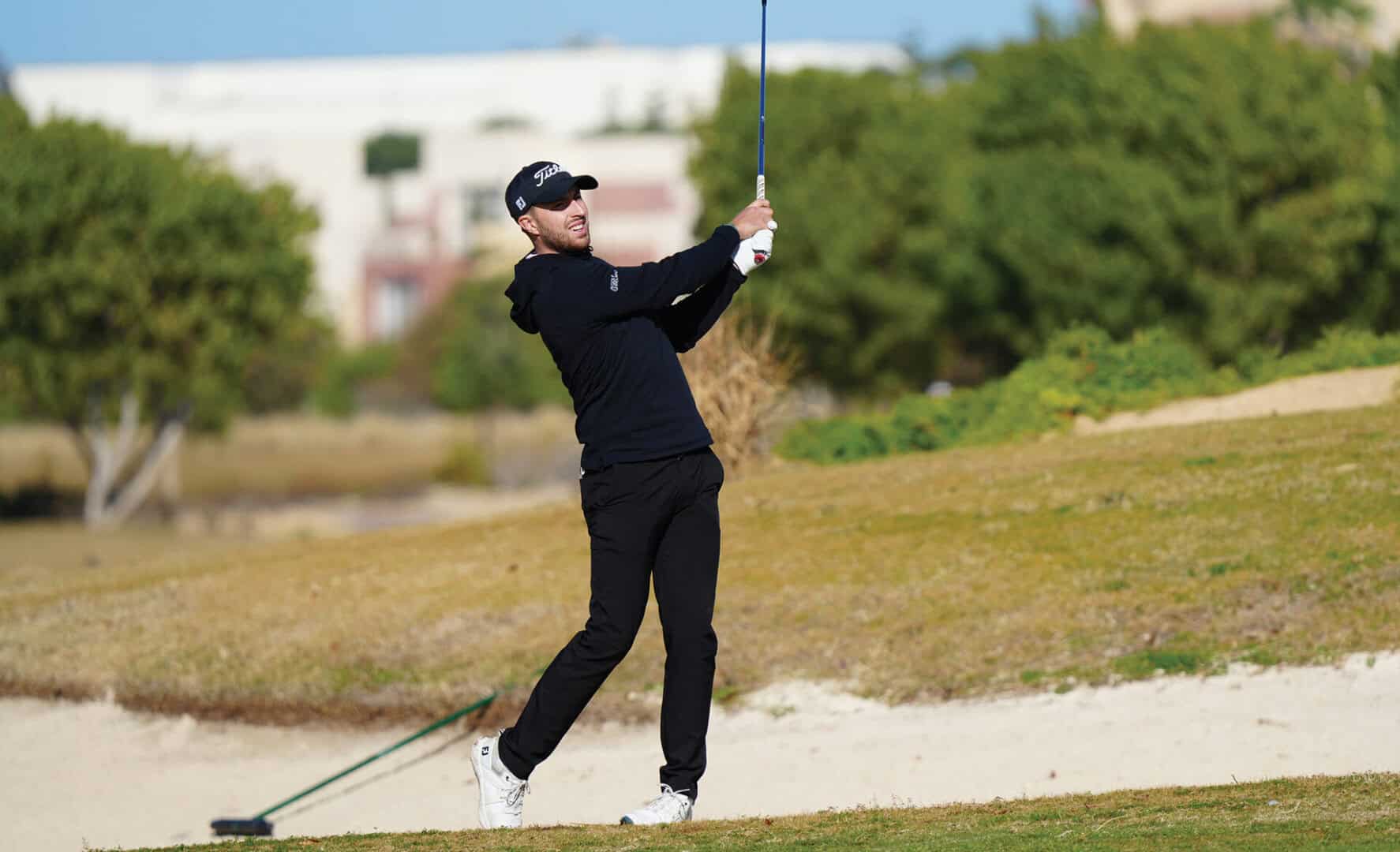
Ireland’s Alex Maguire opened with a scintillating course record 63, burning edges, pouring in birdies and announcing himself as a player ready to win. England’s Charlie Crockett charged through the field with fearless putting and aggressive play. Local amateurs teed it up alongside seasoned professionals, holding their own and soaking up the moment.
For Egyptian players, this was more than just another tournament week. It was a rare chance to compete at home, in front of friends, family and federation officials, against players they had only ever watched on television or followed online.
Some earned cheques. Some earned world ranking points. All earned belief.
This is where the MENA Golf Tour’s true value revealed itself. Not just in trophies or rankings, but in creating a genuine bridge between junior dreams and professional reality.
For young players learning how to flight wedges into a stiff Mediterranean breeze, manage nerves on a closing par five, or hole a six foot par save with a pay cheque on the line, every round became a lesson that no practice range could replicate.
It is one thing to hit good shots in isolation. It is quite another to hit them when they matter.
And in Egypt, they mattered.
The Chris Wood Reset Button
If the Egyptian swing was where new voices were being born, it was also where familiar ones found a second wind. No story captured that dual purpose better than that of Chris Wood.
The Englishman, once a Ryder Cup regular and a multiple winner on the DP World Tour, arrived in Egypt quietly confident but visibly hungry. After topping MENA Tour Q School by six strokes to secure his card, Wood had come looking for more than just form. He had come looking for belief.
At Marassi, he delivered one of the most stirring performances of the fortnight.
“It was a really tough week out there,” Wood said after his dramatic play off win. “The wind, the sand, not being able to see properly off some tees. It felt like proper desert golf. I think my experience counted a bit this week.”
Under pressure, with the rankings lead on the line and a hungry young field snapping at his heels, Wood showed the composure that once made him one of Europe’s most feared match play opponents.
Tied at 13 under par after 72 holes with Charlie Crockett, the pair returned to the par five 18th for a sudden death play off. Crockett’s birdie effort slid agonisingly wide. Wood, having set up a six foot downhill chance with a nerveless long iron from the semi rough, poured in the putt to claim the title.
“It really helped knowing it was between the three of us coming down the stretch,” Wood admitted. “That gave me real clarity. I just thought, I’ve got to beat who’s in front of me here. That’s all I can control.”
It was a simple philosophy. It was also the mindset of a man rediscovering his competitive identity.
For Wood, the win was not about nostalgia or a final flourish. It was about momentum.
“I feel like I’m hitting a lot of good shots again,” he said. “I’m seeing the ball flight I want to see. I’m making birdies. That’s what gives you confidence.”
And confidence, for a player who has lived both the heights of Ryder Cup glory and the quiet grind of rebuilding, is everything.
“I’m not really one for looking at leaderboards or rankings too much,” Wood added. “I just try to do the same things every day. But wins like this remind you that the game is still there.”
Why Egypt Mattered More Than the Leaderboards
By the time the final putts dropped and the dust quite literally settled on the Egyptian swing, one thing became abundantly clear. This was not just a successful run of tournaments. It was a statement of intent.
From New Giza to Marassi, Egypt delivered exactly what the Tour’s relaunch had promised. Opportunity for young and local talent. A credible competitive platform for international hopefuls. And a genuine reset space for established names looking to reignite their careers.
For emerging players, Egypt proved that elite level golf no longer feels a world away. Homegrown talents teed it up in front of friends, family and federation officials, shared fairways with Ryder Cup veterans and DP World Tour winners, and showed they belong.
For Chris Wood, the swing felt like something deeper than a return to the winner’s circle. It felt like a reintroduction.
And for the Tour itself, Egypt delivered momentum. Packed fields. Competitive leaderboards. Dramatic finishes. Real storylines.
These events did not feel like developmental footnotes. They felt like meaningful chapters in the global golf ecosystem.
In a year when professional golf continues to evolve at speed, the MENA Golf Tour’s Egyptian swing showed how powerful the right platform can be. Give players a stage. Give them belief. Give them competition that matters.
Whether it was a local hopeful walking off the 18th green with his best ever finish, or a Ryder Cup star lifting a trophy under the Mediterranean sky, Egypt offered something rare in modern golf.
A place where futures were launched and past glories found fresh relevance.That is not just a good couple of weeks for a Tour it’s a piece of something much bigger. n