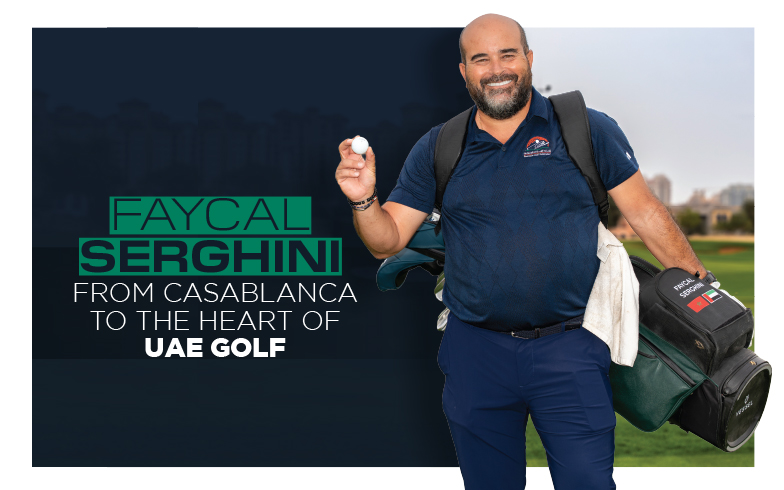
FROM CASABLANCA TO THE HEART OF UAE GOLF
From chasing balls as a kid in Morocco to shaping the next generation in the UAE, Faycal Serghini’s journey is built on passion, patience and a deep understanding of the game.
Spend five minutes with Faycal Serghini and one thing becomes immediately clear: this is a man who lives and breathes golf.
Now Head Coach of the UAE National Golf Team under the Emirates Golf Federation, Serghini’s story stretches from the fairways of Casablanca to the global stage, shaped by influential mentors, hard-earned lessons as a touring professional and a genuine love for developing young talent.
In this Worldwide Golf feature Q&A, he reflects on his journey, the evolution of golf in the Middle East and why the UAE’s next breakthrough star may not be far away.
“I fell in love with the little white ball”
Q: You grew up in Casablanca. How did you first discover golf, and what was the golfing environment like in Morocco when you were starting out?
I discovered golf through my parents, who were both avid golfers. My dad was a very good amateur player and extremely passionate about the game. I actually started with tennis when I was very young, but little by little I began following my dad onto the golf course and hitting balls when I was around seven or eight years old. That is how I fell in love with the little white ball.
Influences that shaped a career
Q: Who were the biggest influences or mentors during your early years?
I will always look up to Mohamed Makroune, who was one of the best players of his time in Morocco. He had incredible hands and a real flair about him.
As I got older, my coaches had a huge influence on my career. Adrian Fryer, Benoit Willemart, who is also a close friend and with whom I opened an academy in Morocco, and Alan Thompson all played important roles. I also had the privilege of spending time with Peter Cowen.
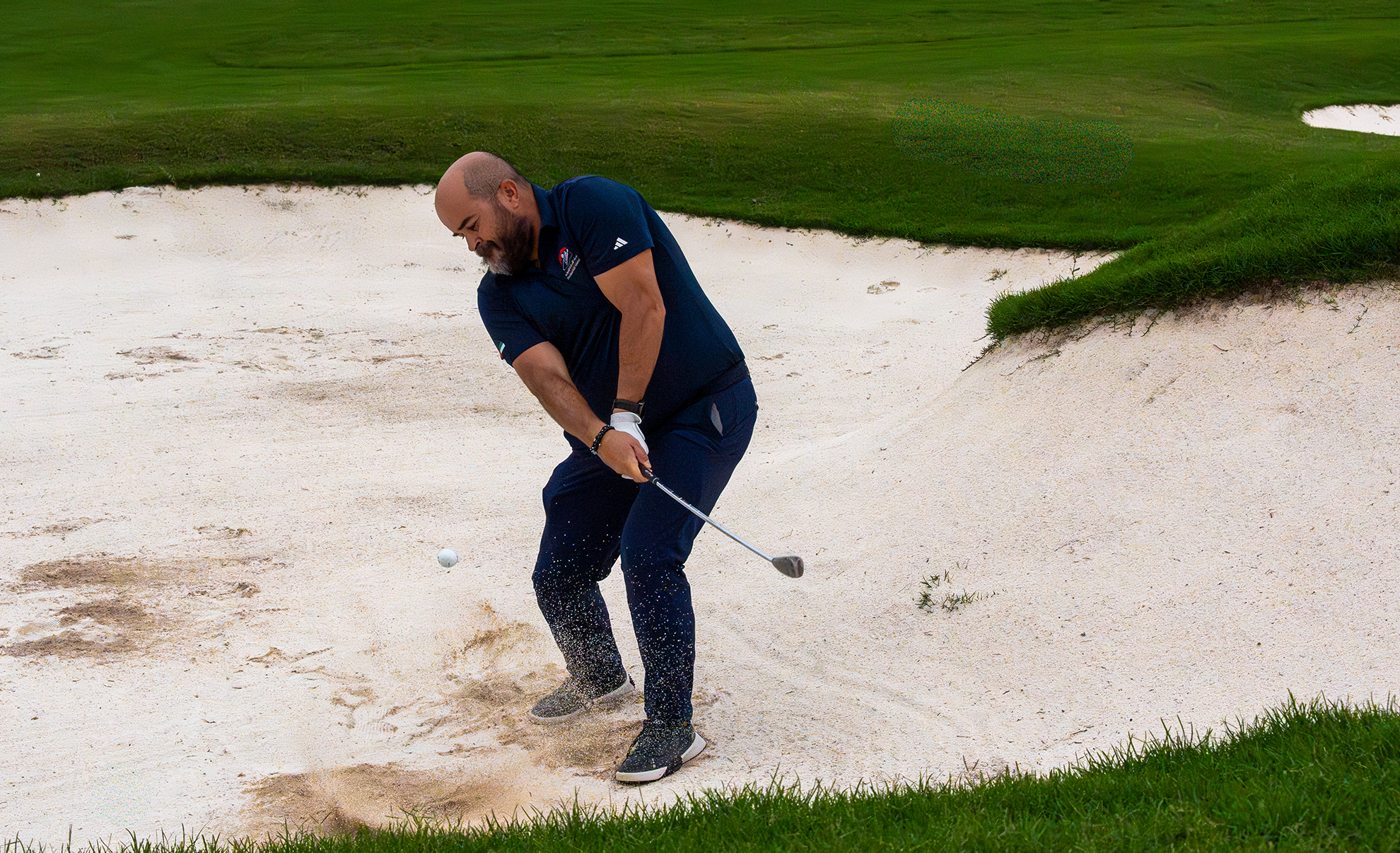
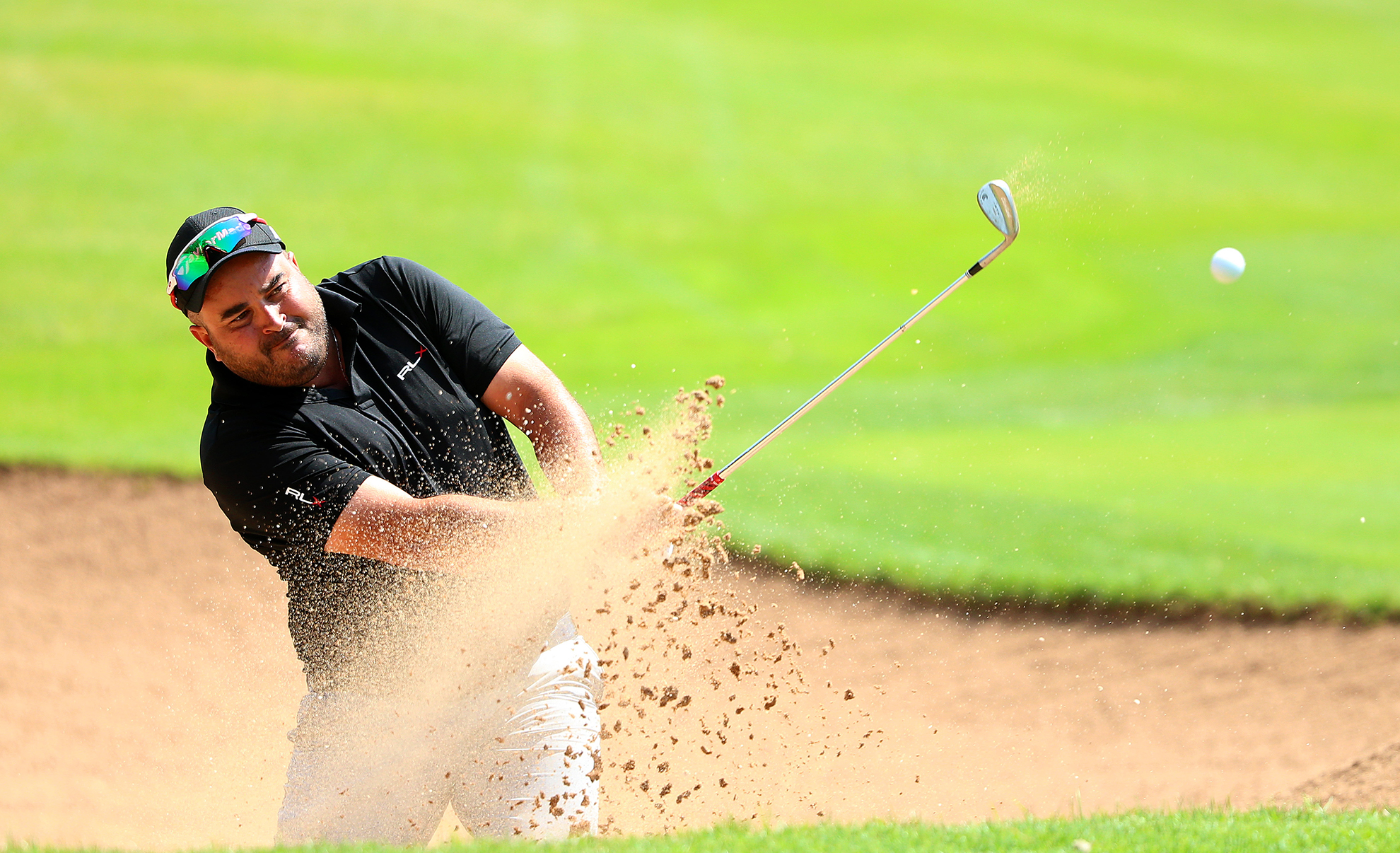
And then there is Gary Player. I had the incredible opportunity to spend four days with him in Mogador while he was building my home course. I even had a couple of bunker lessons with him, and we still have a video together on YouTube. That was a really special experience.
Turning pro and finding belief
Q: You turned professional in 2000. What do you remember most about those early years?
I actually turned professional at the end of 1999 and started competing in 2000. It was quite tough at the beginning, to be honest. I was not playing particularly well and I would not say I was a great golfer at that stage.
Things started to improve after one of my first lessons when I travelled to the south of France to work with Jesus Maria Arruti, who was the Spanish national coach at the time. That was a turning point because I began to understand my swing flaws and what I needed to improve.
Not long after, I won my first tournament in Morocco, a national event in Fes. That was my “aha” moment. It made me realise that if I could win, I had a good enough game to compete internationally. That is really where my career began.
Strengths, weaknesses and the eternal battle with the putter
Q: What were the biggest strengths in your game, and what did you constantly work on?
My biggest strength was my long game, especially driving and iron play. My approach shots were always solid.
The area I constantly worked on was my short game and putting, which was definitely my main weakness. I struggled with putting for many years, but I had the opportunity to work with Phil Kenyon. Even just a couple of lessons with him opened my eyes and helped me understand what I needed to do to improve.
The MENA Golf Tour impact
Q: You played during the early years of the MENA Golf Tour. How important was it?
I played in the first season of the MENA Golf Tour and stayed on it for around six or seven years, maybe even eight. I was also an ambassador for Golf in Dubai.
From a player’s perspective, the opportunities were huge, especially for Arab players. There was even an Arab Order of Merit, where you could earn additional bonuses by performing well.
It also opened doors to bigger events such as the Hero Dubai Desert Classic and the Hassan II Trophy. For players from the region, it was an incredible platform. I am really pleased to see the tour starting again.
A playoff that still lingers
Q: Do you have a particular memory from the MENA Golf Tour?
There are many, but one that stands out is my connection with Al Ain Equestrian and Shooting Club. It is a course that really suits my eye and where I have always played well.
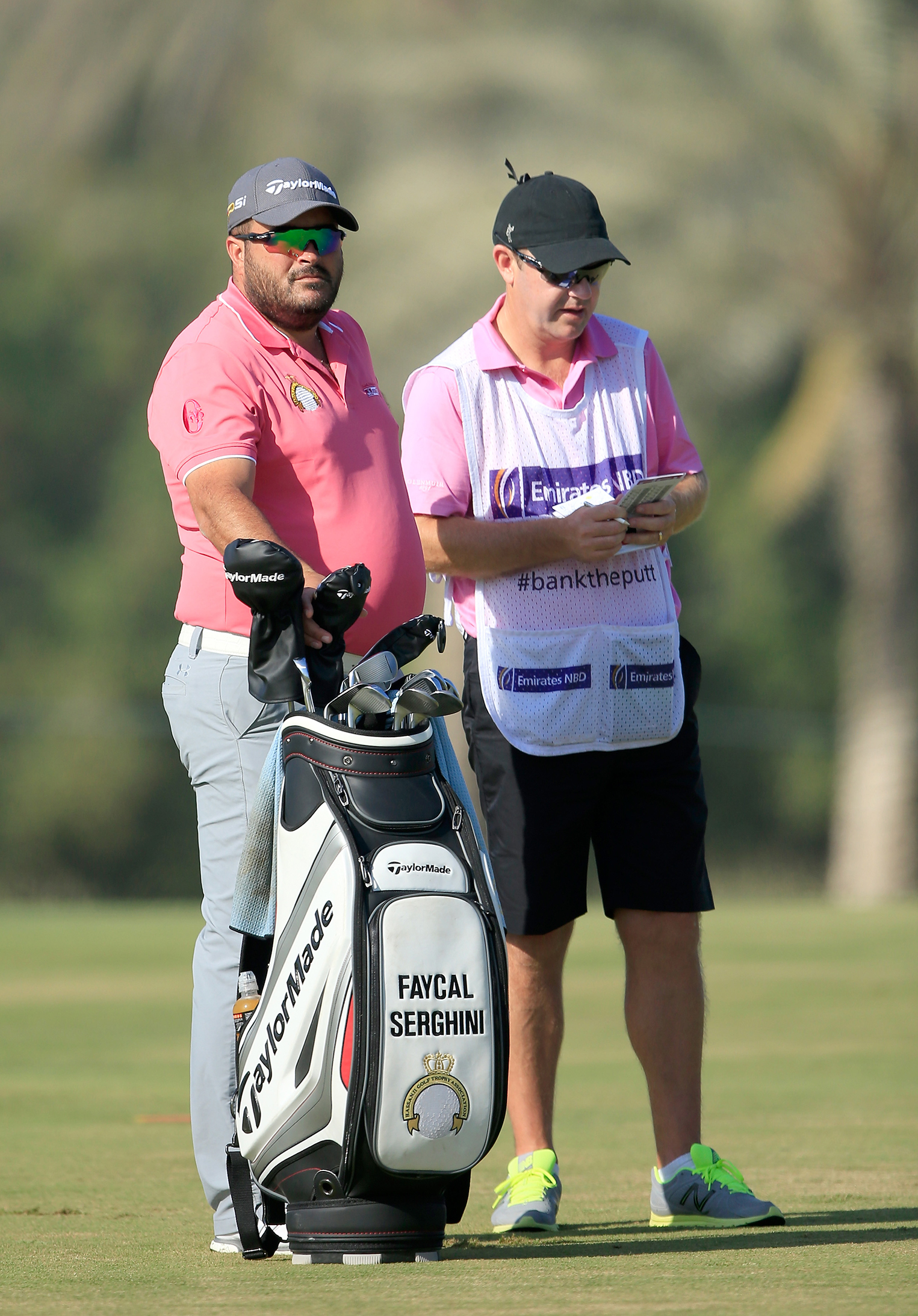
Unfortunately, I did not win there. I lost in a playoff to Lee Corfield at the MENA Golf Tour Grand Final. I shot 65, 65 and 70 to get into the playoff but lost on the first extra hole. That was around 2014 or 2015. It still sticks with me.
Courses that leave a mark
Q: Which courses or destinations remain favourites?
One of my favourite places in the world is Royal Golf Dar Es Salam in Morocco. I grew up playing there and at Mohammedia, two very different courses that have produced many great players.
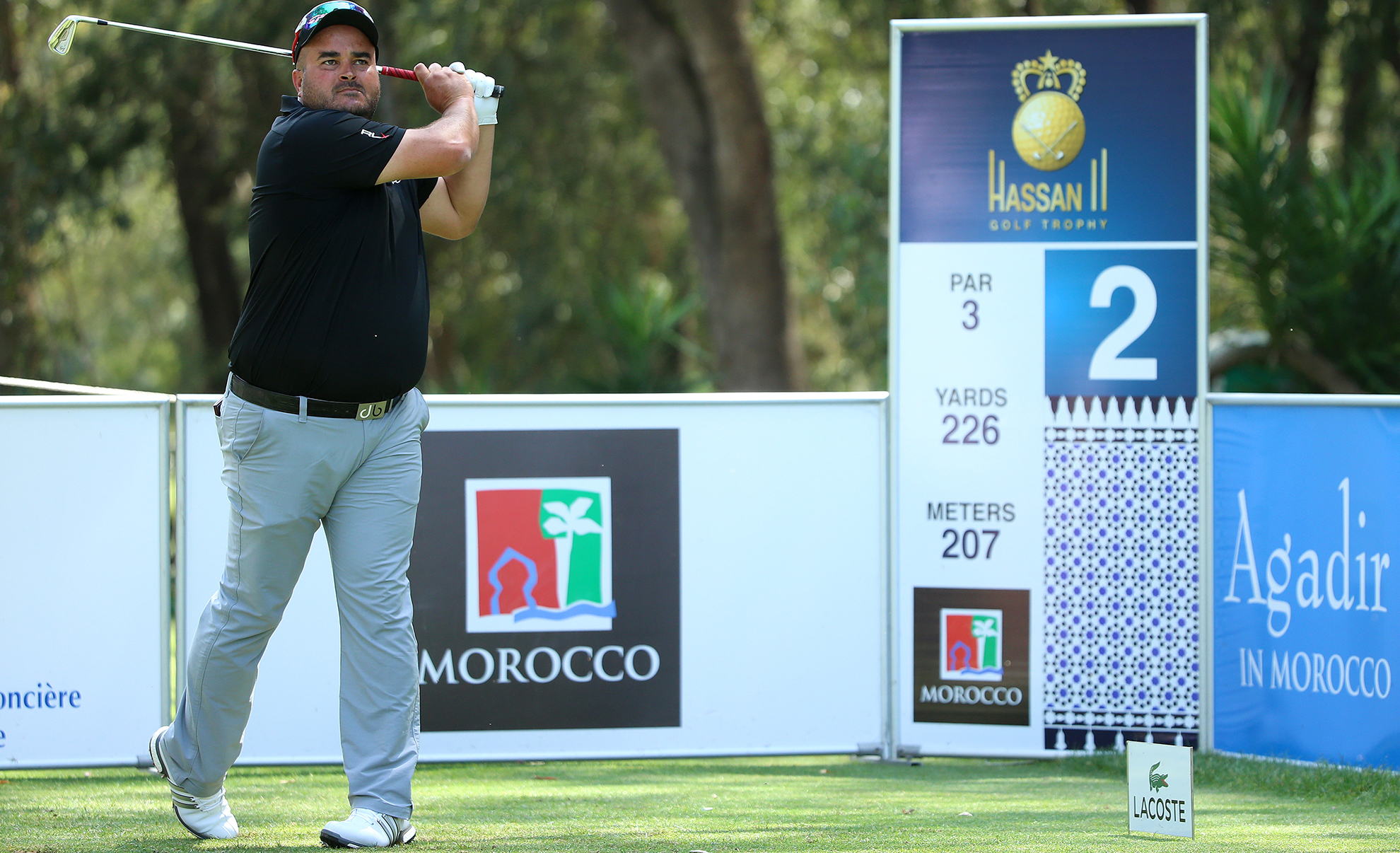
Dar Es Salam is also famous for hosting the Hassan II Trophy, and I have great memories there, including finishing seventh in that event.
Pebble Beach is another highlight. I had the chance to play there about 20 years ago and it was an unforgettable experience. I have also loved playing in the UK at courses like Royal Liverpool and Lytham.
Dubai: the journey
Q: When did Dubai become part of your journey?
Dubai became part of my journey after the Hassan II Trophy in 2007, where I finished seventh. That result earned me an invitation to the Hero Dubai Desert Classic, which was the biggest event of my career at the time.
I fell in love with Dubai straight away. I made many friends there and would return every year from September to December to play the MENA Golf Tour events. I was also an ambassador for Golf in Dubai, so it really became a big part of my life. It is fair to say it has been a love story.
The rise of UAE golf
Q: How have you seen golf develop in the UAE and wider Middle East?
There has been huge growth. We are now seeing many more young players coming into the game compared to when I started.
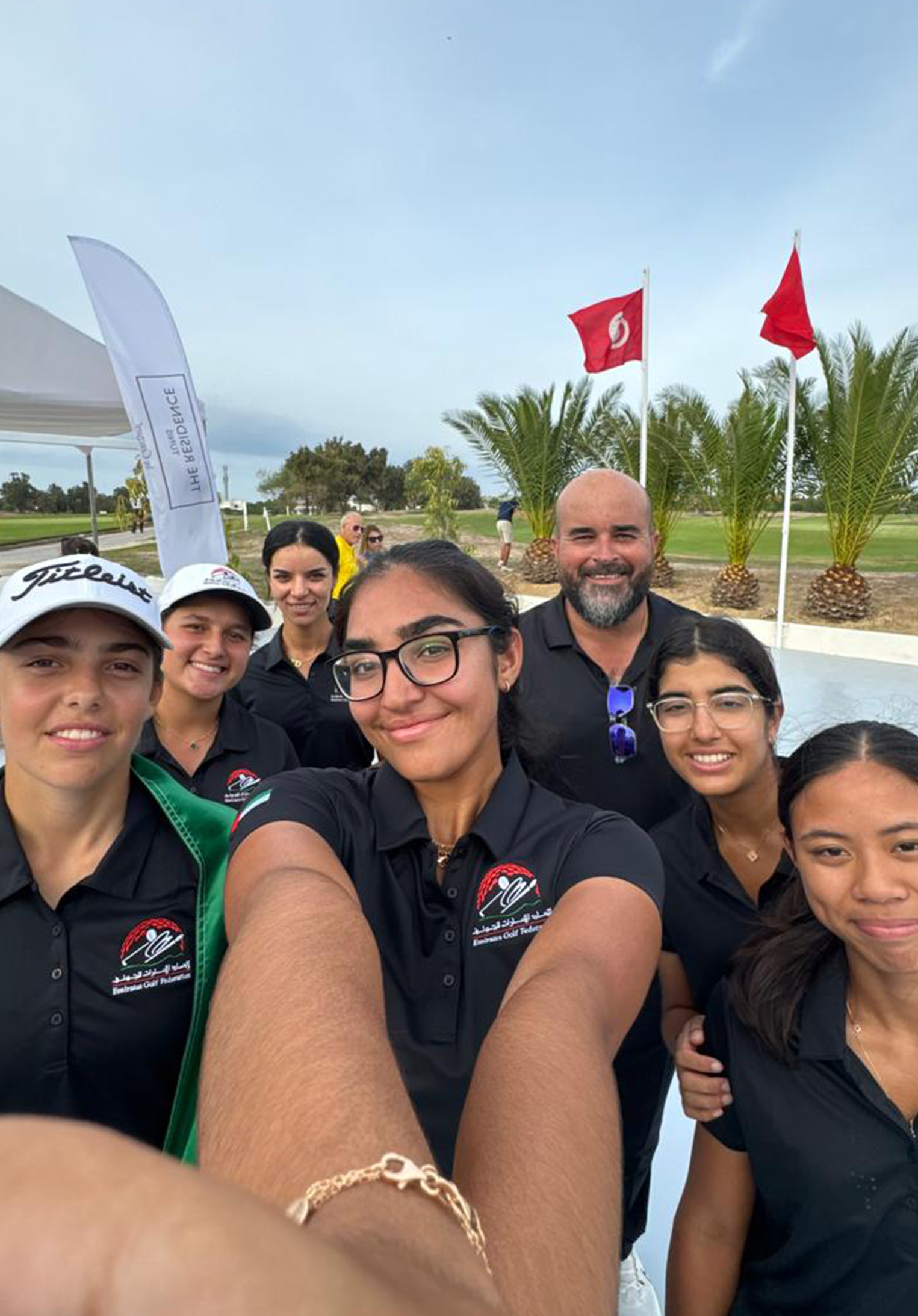
In the past, it was mainly Moroccan players representing the Arab world. Now we have strong talent coming through in the UAE, like the Skaik brothers, Sam Mullane, Jonathan Selvaraj and Rayan Ahmed. On the girls’ side, players like Intissar Rich, Aassiya Salem and others are doing very well.
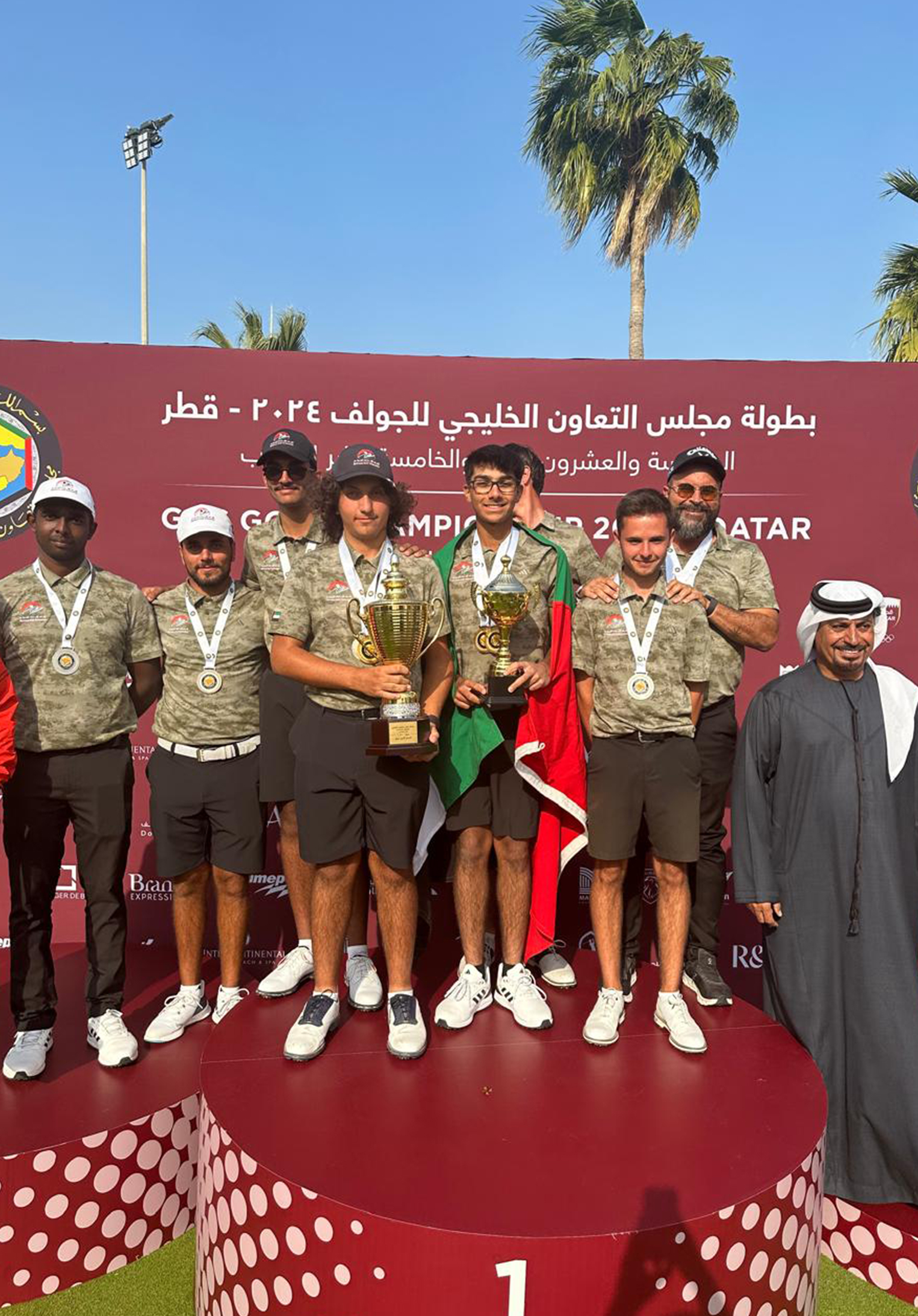
The Federation has done an incredible job. General Abdullah Al Hashmi has been instrumental, and Akram Skaik, our general manager, has also been a huge support. We also have a great coaching team with Hassine Cameron and Kieren Pratt. It is a real team effort.
From player to coach
Q: How did the transition into coaching happen?
I had a long playing career, but eventually I reached a point where I was no longer happy competing, especially without full status on a main tour. Playing satellite tours in my early forties, with a family at home, became difficult.
I decided to step away from playing and focus on family life. I already had an academy in Morocco and later became General Manager at Palmeraie Country Club in Casablanca, where I worked for four years.
Then I received a call asking if I would play a round with General Abdullah in Morocco. We had a very enjoyable day in Bouznika, and he later invited me to join a summer camp in Rabat. After that, I was offered the opportunity to join the UAE setup, which I accepted.
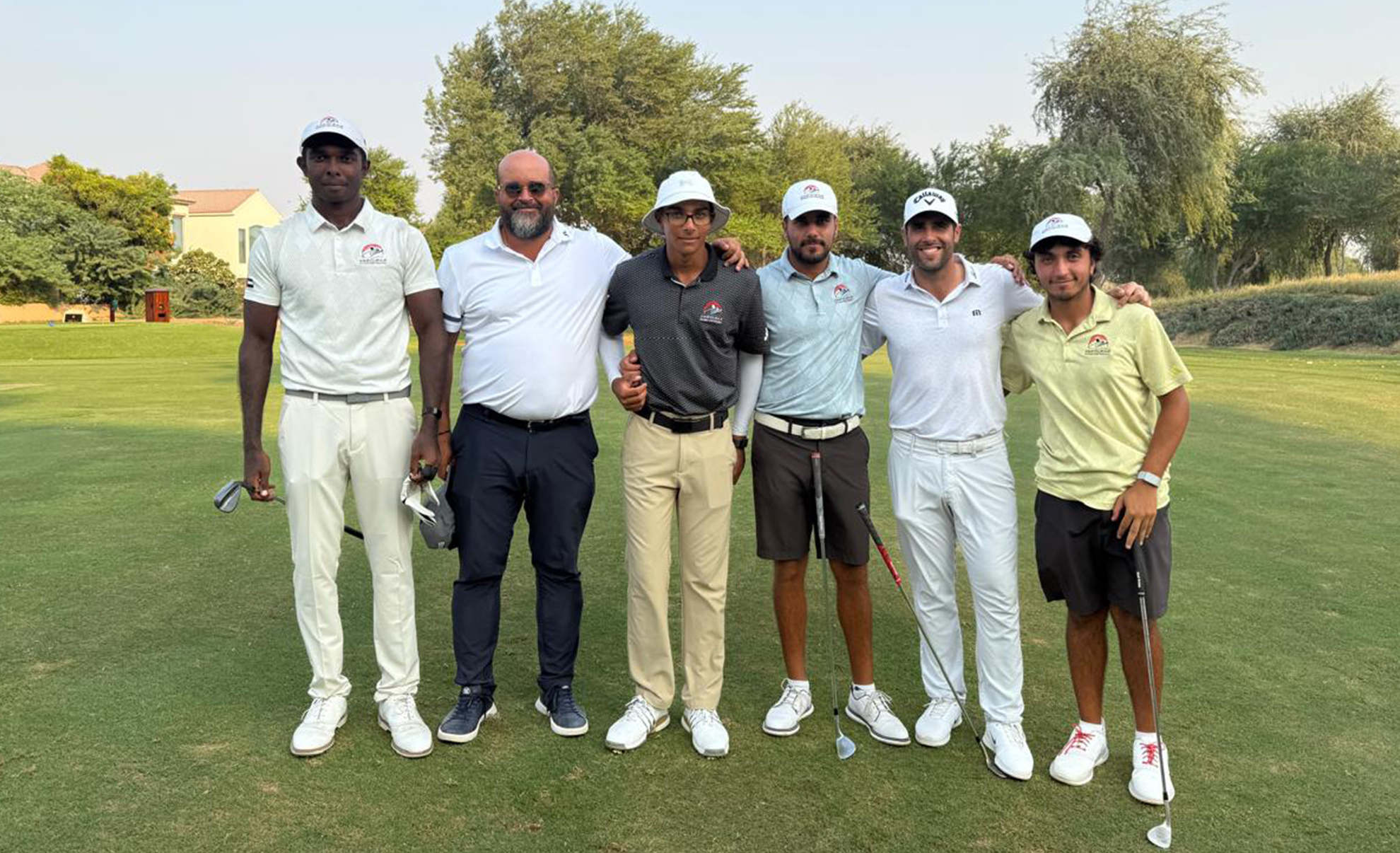
I have now been here for three years and I am very happy. I believe we are contributing to the growth of the game and helping young players improve.
Building the next generation
Q: What are you currently focused on with the UAE national team?
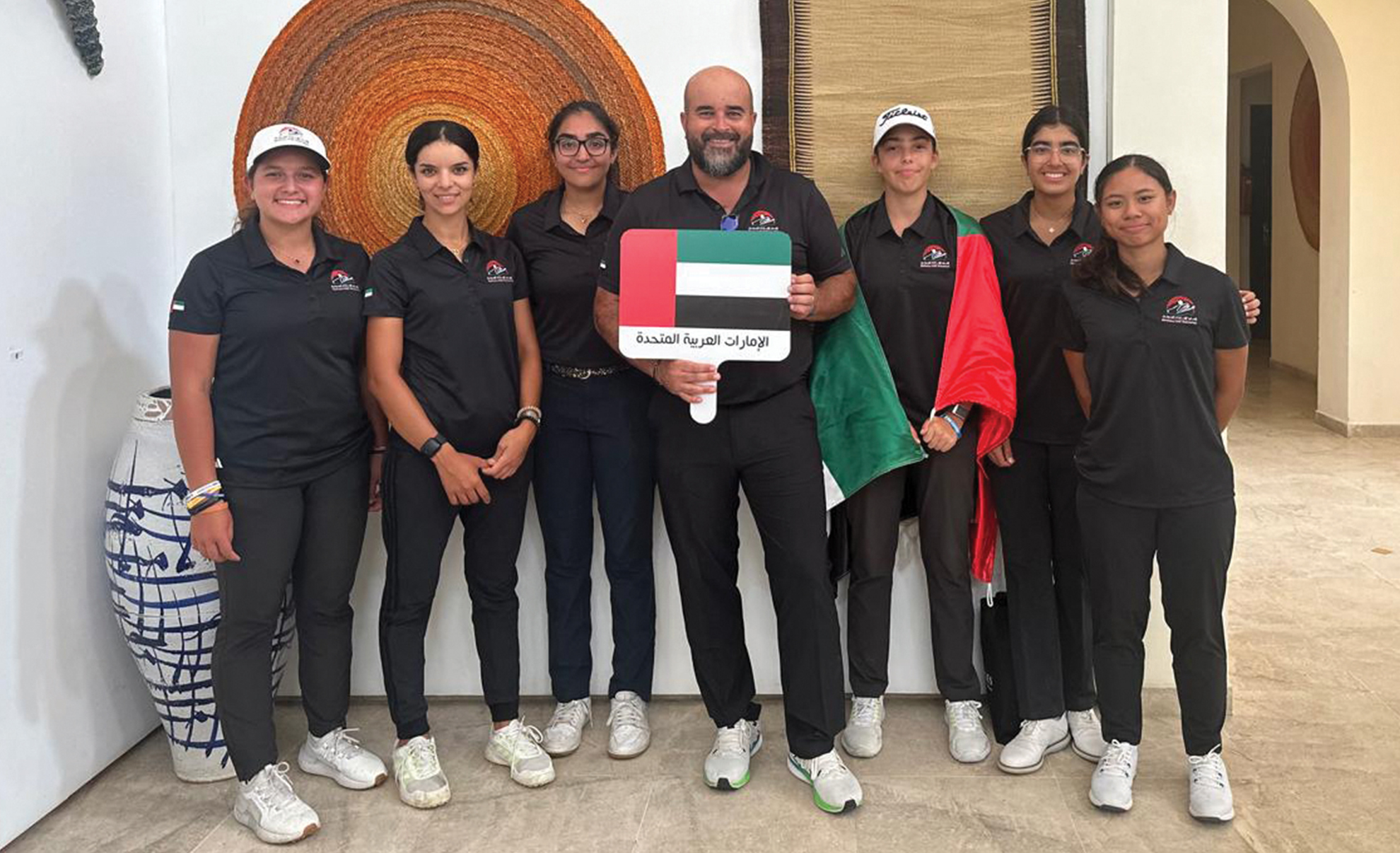
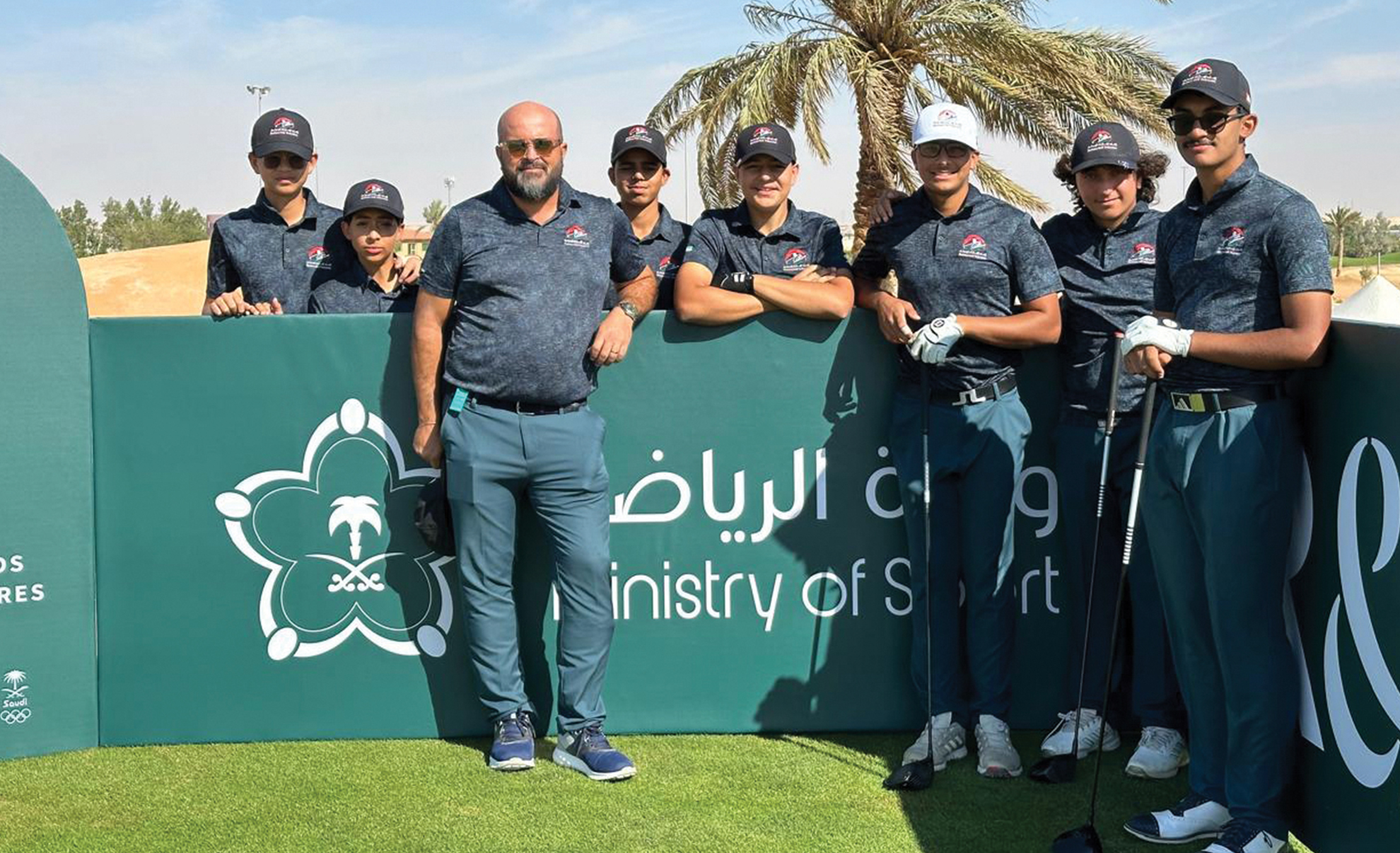
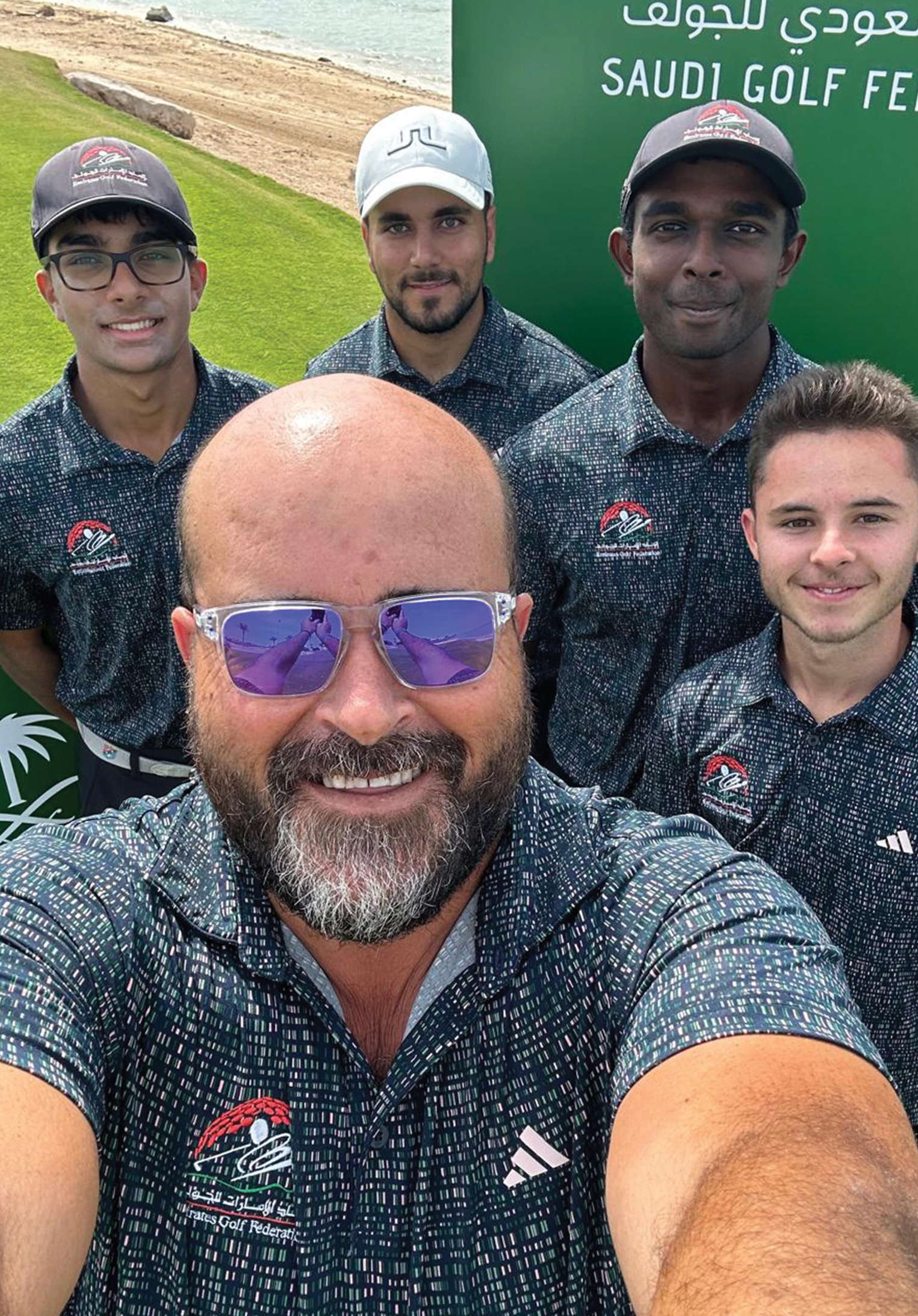
Our main focus is developing the game further and bringing more young players into golf through programmes like Future Falcons.
Cameron and Hassine oversee much of that pathway, while I focus on the elite team. My role is to help players understand their strengths and weaknesses, support them technically and guide them on the course.
I have even caddied for some of them to better understand how they think during competition. It is about improving every aspect of their game and helping them reach the next level.
Defining success
Q: What would success look like for UAE golf in the next few years?
For me, success would be seeing a UAE player, male or female, competing regularly on one of the main tours. Whether that is the DP World Tour, the Asian Tour, the HotelPlanner Tour or even the PGA Tour, that is the ultimate goal.
If we can help produce a player who reaches that level, then we know we are doing something right.