Dinner is served, azaleas are blooming, and the most famous week in golf is almost here. But who’s going home with the Green Jacket?
Nobody has won the Masters in consecutive years since Tiger Woods did it in 2001 and 2002.
But Rory McIlroy is about to try.
The Northern Irishman arrives at Augusta as defending champion, Career Grand Slam winner and – perhaps for the first time in his life – a man with absolutely nothing to prove. After 10 years of near-misses, heartbreaks and an entire sport willing him over the line, he finally did it last April, dropping to his knees on the 18th green after defeating Justin Rose in a play-off to become only the sixth male golfer in history to win all four Majors. Half the world cried with him.
The question now is whether that release of pressure sets him free or leaves him flat. The early signs from 2026 suggest very much the former.
But before we get into who’s hot and who’s not, let’s spend a moment on the place itself – because Augusta National is unlike anywhere else on earth, and if you’re going to understand why this tournament does things to people that no other event in golf can, you need to understand the stage.
THE COURSE:A PLACE UNLIKE ANY OTHER
Augusta National was built on a former plant nursery – hence every hole being named after a tree or shrub, from Magnolia at the first to Holly at the 18th. Designed by Bobby Jones and Scottish architect Alister MacKenzie, it opened for play in 1932. What many people don’t know is that at the very first Masters in 1934 the nines were played in the opposite order – what we now know as the back nine was the front. It was flipped the following year and has stayed that way ever since.
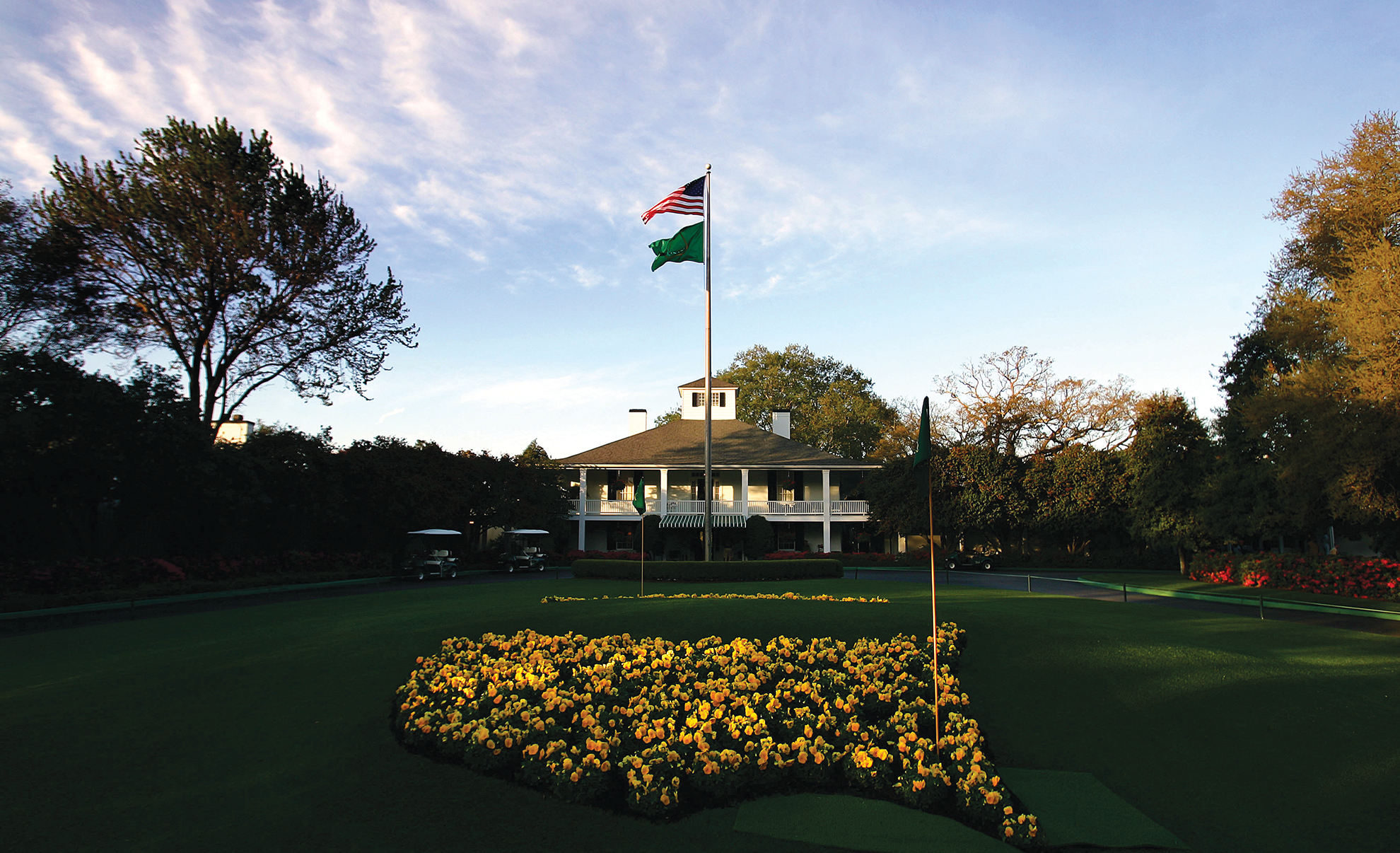
For 2026 the course stretches to 7,565 yards after Augusta National extended the par-4 17th by 10 yards ahead of this year’s championship – the latest in a long line of subtle tweaks designed to ensure the world’s best players are always being asked the same difficult questions. The bunkers, incidentally, are not filled with ordinary sand but with granulated white quartz from the Spruce Pine Mining District in North Carolina, which gives them that luminous appearance on television. The ponds were once dyed blue. Augusta does things its own way.
The greens are as fast and firm as anywhere in the game, courtesy of an underground ventilation system called SubAir, invented by course superintendent Marsh Benson in 1994 and now used by more than 500 clubs worldwide. Augusta, naturally, got there first.
Amen Corner and the back nine is where Masters are won and lost. The par-3 12th – Golden Bell – is one of the most deceptive holes in Major Championship golf, the wind swirling unpredictably through the towering pines and more than one title having slipped away there on a Sunday afternoon. The par-5 13th and 15th are where the game’s bravest players go hunting for eagles and birdies, and where the timid get found out.
One detail that always raises an eyebrow: there is exactly one palm tree on the entire property. It stands beside the fourth green and has been there so long that even the members have stopped mentioning it.
The par-3 16th is the only hole not designed by MacKenzie and Jones – rebuilt in 1948, it has produced more holes-in-one than any other par-3 on the course. The back-left Sunday pin position is as much a part of Masters folklore as the jacket itself.
THE TRADITIONS: DINNER, JACKETS AND GARDEN GNOMES
The Champions Dinner has been a Tuesday night staple since 1952, when Ben Hogan gathered past champions with the simple instruction to wear their green jackets and arrive by 7:15pm sharp. The reigning champion picks the menu. This year, that privilege belongs to McIlroy.
The Northern Irishman, never one to do things by halves, has assembled a menu that tells the story of his life. Appetisers include bacon-wrapped dates – a nod to his mother’s cooking – and grilled elk sliders, which McIlroy cheerfully admits he was consuming in considerable quantities in the weeks leading up to his 2025 triumph. The first course is a yellowfin tuna carpaccio with foie gras on a toasted baguette, a recreation of a signature dish from Le Bernardin in New York, his favourite restaurant. The Augusta National team actually flew up to meet with the chefs and work through the recipe together – because if something’s worth doing at Augusta, it’s worth doing properly.
For the main course, guests choose between wagyu filet mignon and seared salmon, served with traditional Irish Champ – creamy mashed potato with green onions and butter – alongside Brussels sprouts, glazed carrots and Vidalia onion rings from a 20-county region of Georgia. Dessert is sticky toffee pudding.
The wine list is where McIlroy has really gone to town. Four bottles from Augusta National’s celebrated cellar – reached, incidentally, via private elevator – including a 1990 Château Lafite Rothschild, the wine he says he drank the night he won the Masters, and a 1989 Château d’Yquem, chosen because it’s his birth year. The cheapest bottle retails at around $556.
“Every great meal deserves to be finished off with Château d’Yquem,” McIlroy said. “It’s like liquid gold.”
Past menus have always reflected the personality of the host. Scheffler served ‘Scottie-Style’ cheeseburger sliders and Texas-style chili last year. Rahm went full Spanish. Sandy Lyle once served haggis. Tiger has done cheeseburgers and sushi, in different years. Nobody has ever repeated a menu – except Bubba Watson, who in true Bubba fashion in 2015…put on exactly the same spread he’d offered in 2013.
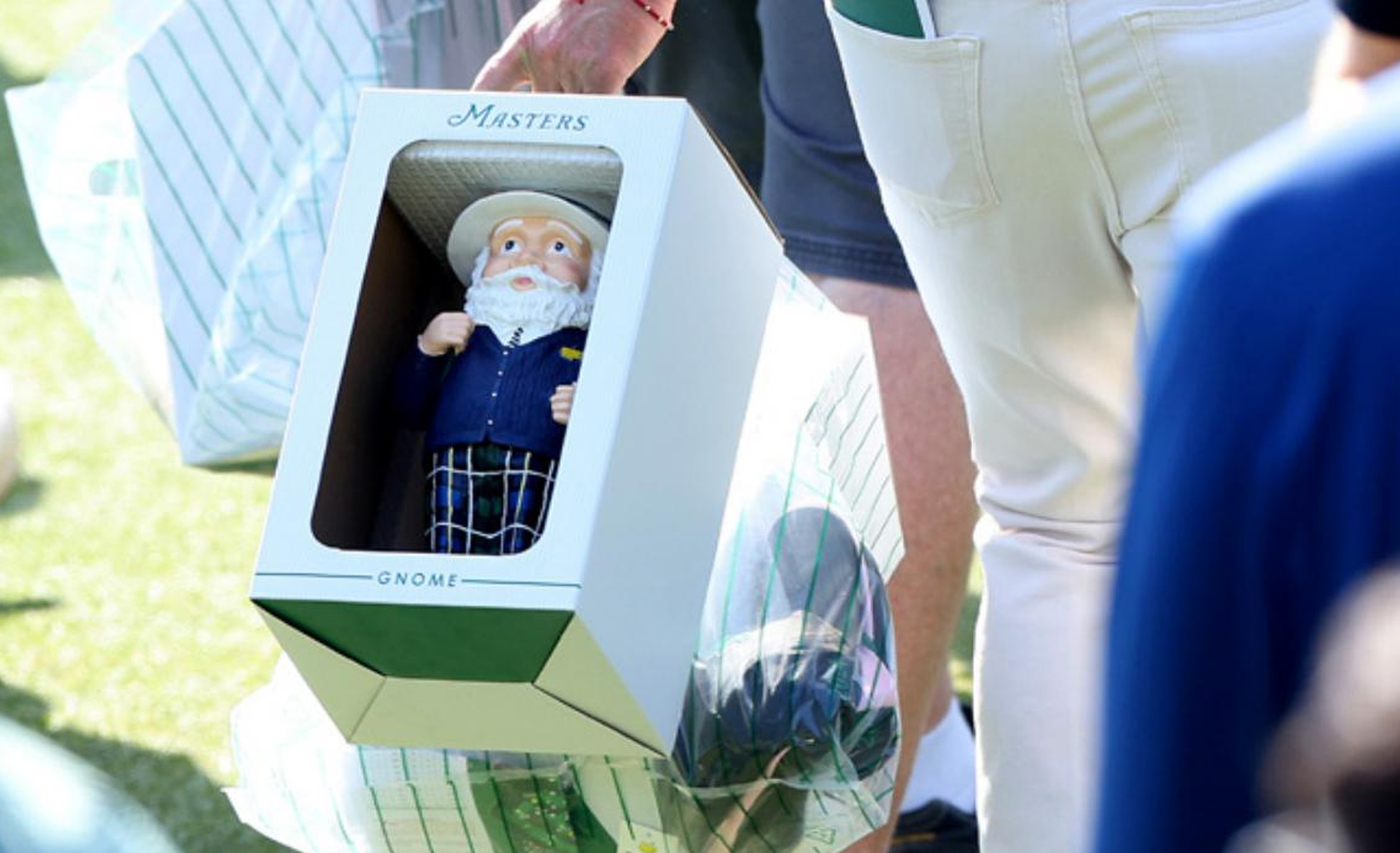
Away from the dining room, there is one Augusta tradition that has taken on a curious life of its own – the garden gnomes. First introduced in 2016, a new design is produced each year and they have become so sought-after that customers are limited to one per person, with resale values running to several times the retail price. In 2026, four-day badges cost $525. Augusta National remains, by some distance, the most impossible ticket in sport to actually obtain.
THE FIRM FAVOURITE: SCOTTIE SCHEFFLER
There really is no other place to start. Scheffler arrives at Augusta with two green jackets already in the wardrobe – 2022 and 2024 – and even in a week last year when his game never quite found top gear, he still finished fourth. Augusta suits him like no other course on earth. The angles off the tee, the premium on iron play, the patience the back nine demands on a Sunday afternoon – it all fits the way he plays.
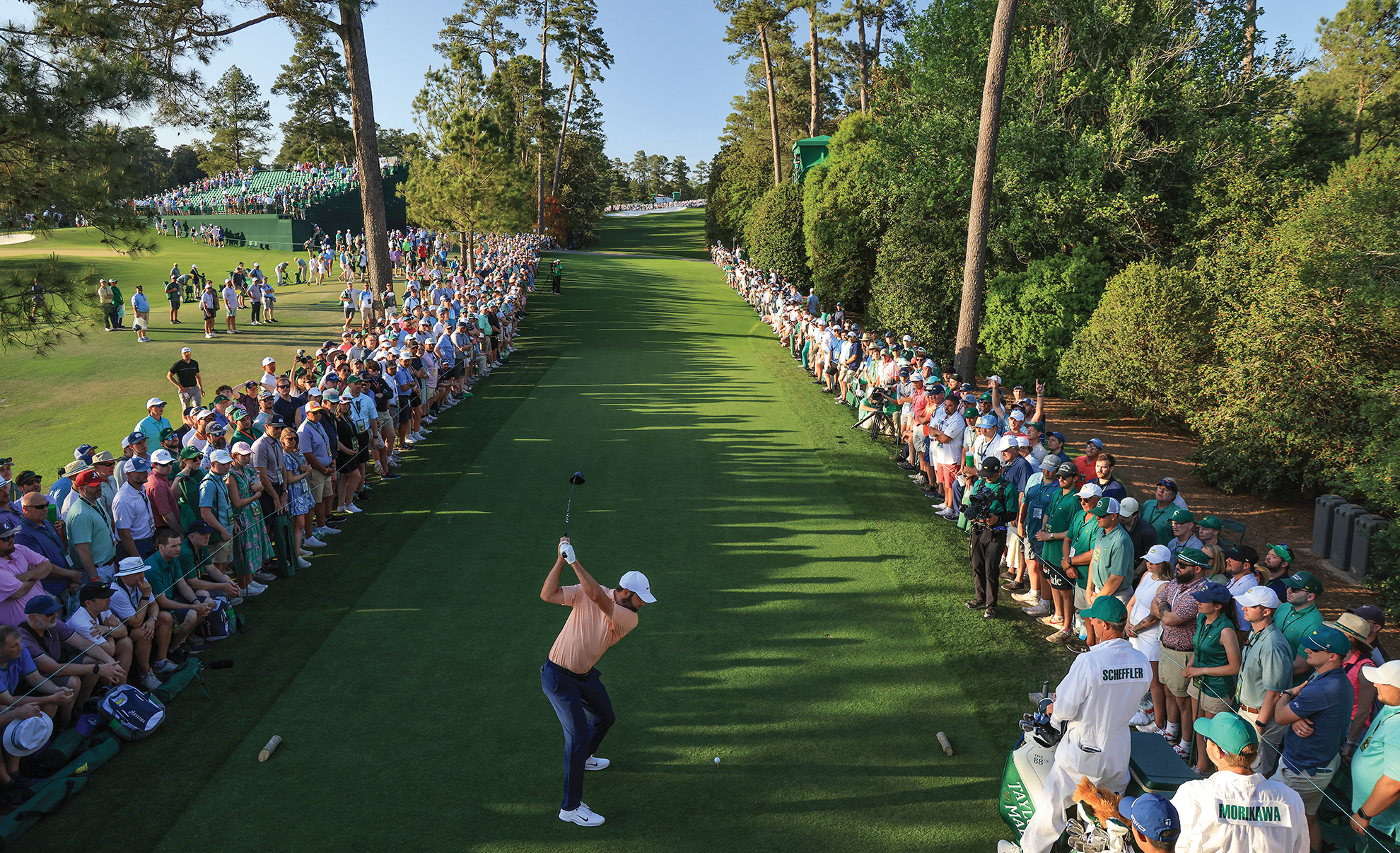
He opened his 2026 season by winning the American Express at the first time of asking, his 20th PGA Tour victory, and has given no indication since that the level is dropping. He is the World No.1 for a reason – several of them, in fact – and walking the fairways and greens of Augusta National, he will know it.
The question is not really whether Scheffler can win there again. It is whether anyone in the field can stop him.
THE DEFENDING CHAMPION: RORY McILROY
See the opening of this feature. The monkey is off the back. The Grand Slam is complete. The dinner menu has been chosen, the 1989 Château d’Yquem has been selected, and the man himself has described feeling more at ease with his game than at any point in recent memory.
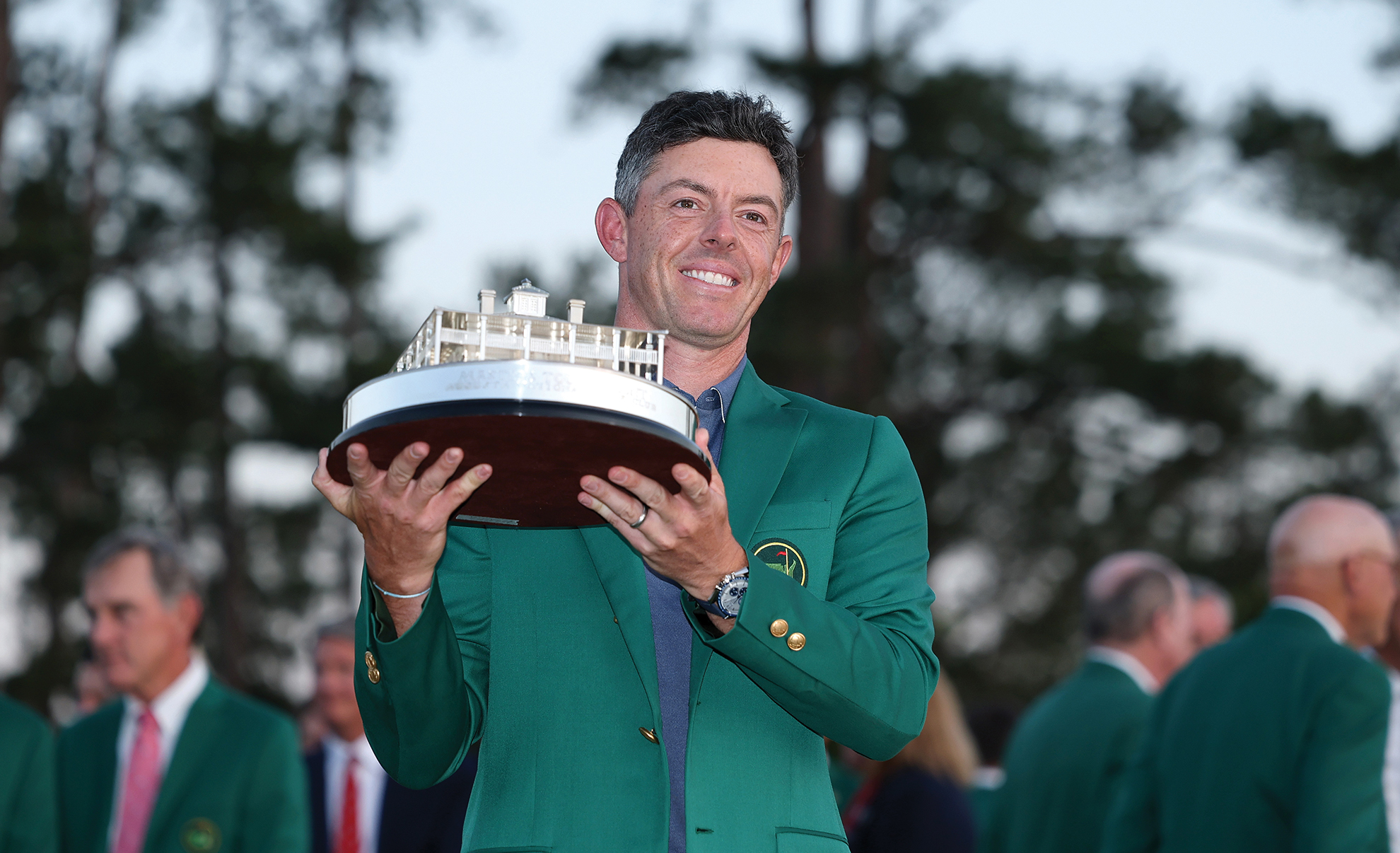
He is 36 years old, widely regarded as the clear second favourite behind Scheffler, and arrives at Augusta having made peace with a course that tormented him for the best part of a decade. The scar tissue has healed. The demons, it seems, have finally been put to rest.
“I always thought about if I win the Masters one day, what would I want it to look like?” he said ahead of the tournament.
Now he gets to find out if he can do it all over again.
THE ENGLISH CONTENDERS: TOMMY FLEETWOOD & MATT FITZPATRICK
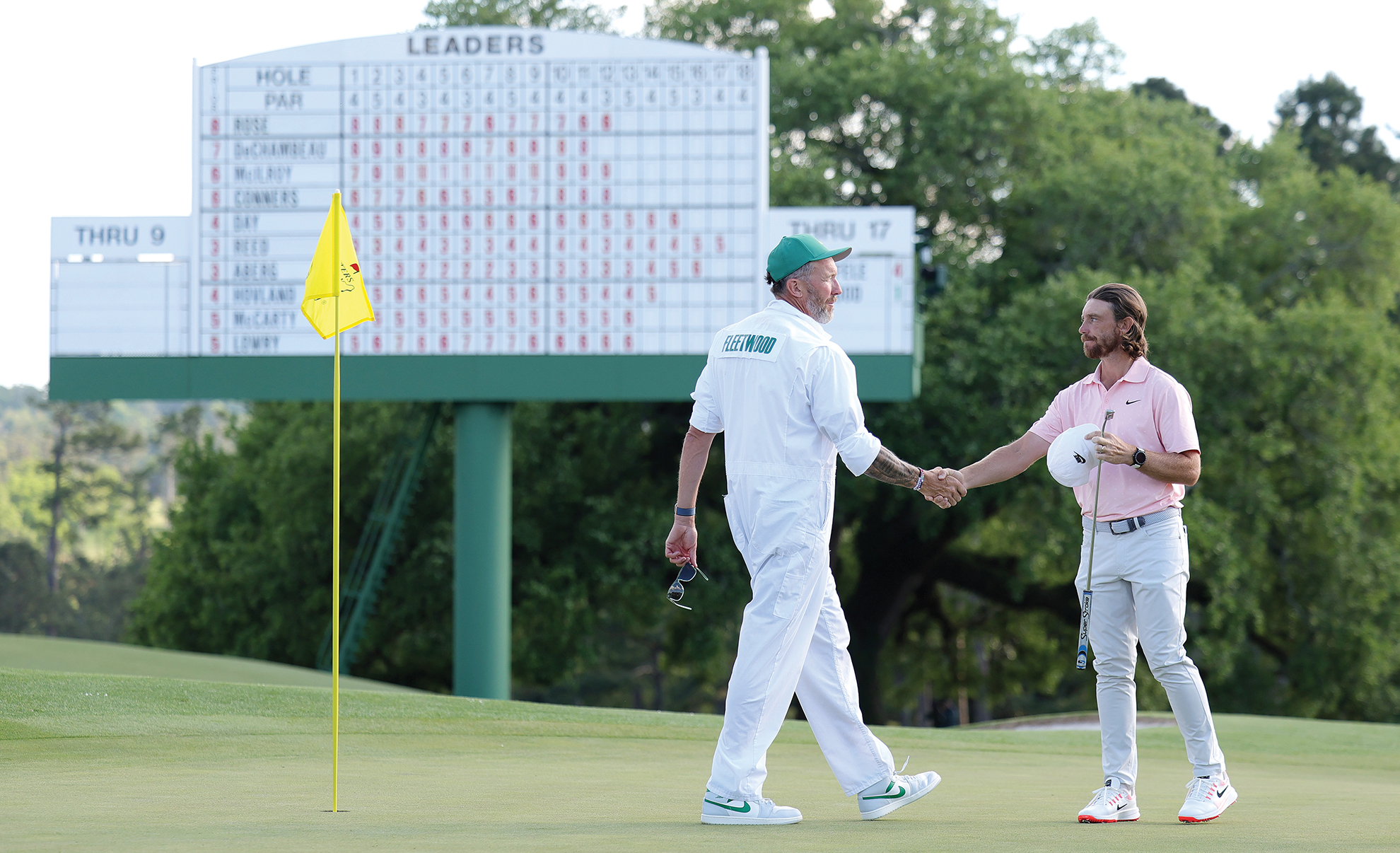
At World No.3 and coming off the back of a FedEx Cup-winning season, Tommy Fleetwood arrives at Augusta as one of the most compelling figures in the field. Eight top-10s in 19 starts on Tour last year. Top-four finishes in all three play-off events. Statistically, the only player within a stroke of Scheffler’s average strokes-gained in last season’s signature events. The numbers tell the story of a man operating at the very top of his game.
The one chapter that remains unwritten is a Major Championship. Fleetwood has been in contention before and knows better than anyone what it takes to compete on the biggest stages. Augusta, with its premium on patience, precision and ball-striking, is a course that sets up beautifully for the way he plays. The feeling among those who know the game well is that it is a matter of when, not if.
If that moment is coming – and few doubt that it is – this feels like a fitting stage.
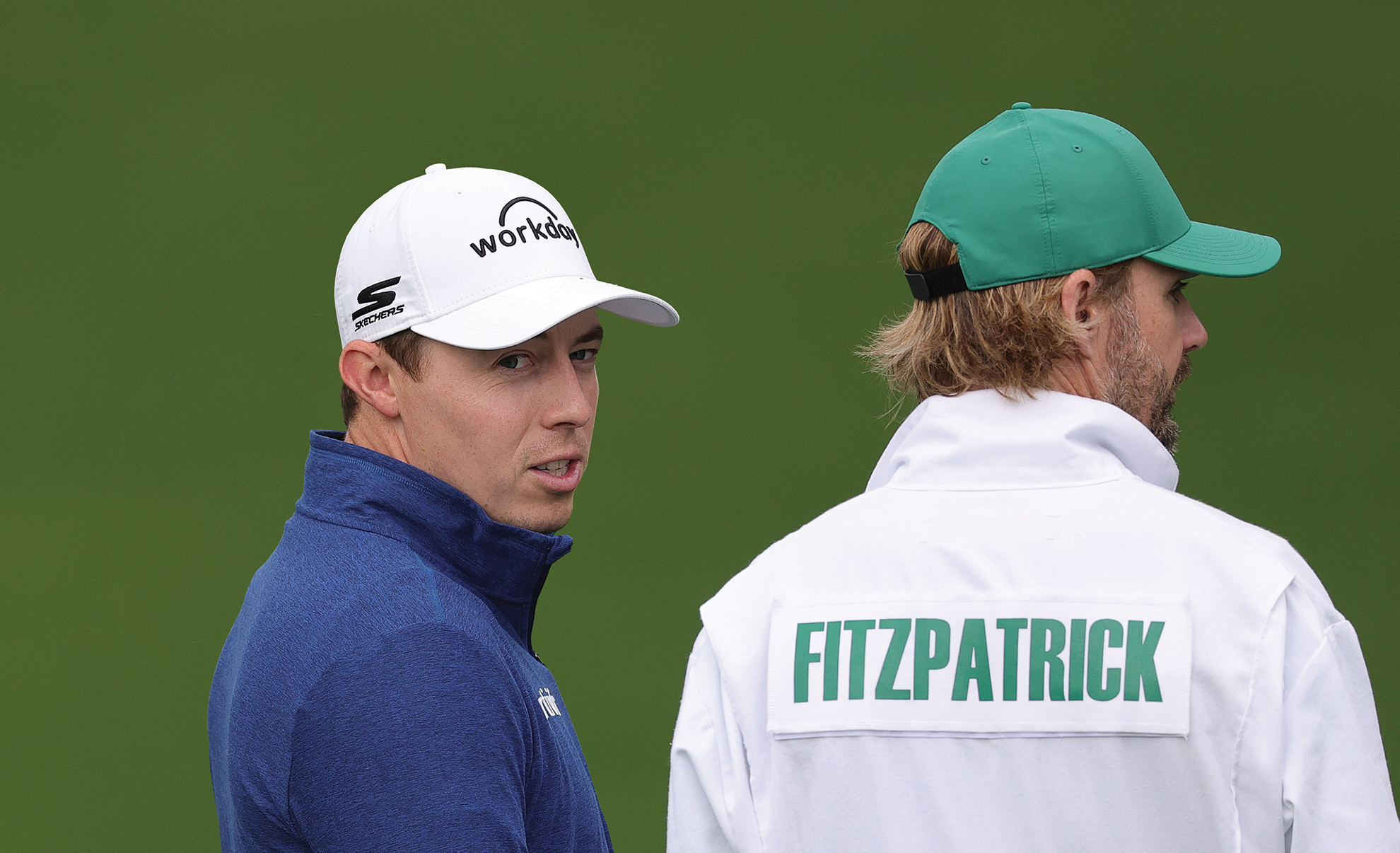
If there is another Englishman quietly building a case that deserves serious attention, it is Matt Fitzpatrick. The former US Open champion arrives at Augusta in arguably the best form of his career, having finished second at The Players Championship before backing it up with a victory at the Valspar Championship. That is not just good form, that is elite company. Few players in the game can claim to have gone toe to toe with the strongest fields in golf in consecutive weeks and come away with that level of return.
What makes Fitzpatrick such a compelling contender at Augusta is not just the results, but the way he is achieving them. His iron play has sharpened, his distance gains over the past two seasons have transformed him from plotter to genuine all round threat, and his short game remains one of the most reliable under pressure. Augusta rewards patience, discipline and a sharp mind as much as it does power, and those are traits Fitzpatrick has built his career on. Add in a player brimming with confidence and momentum, and it would be no surprise whatsoever to see him firmly in the mix come Sunday afternoon.
THE X-FACTOR: JON RAHM
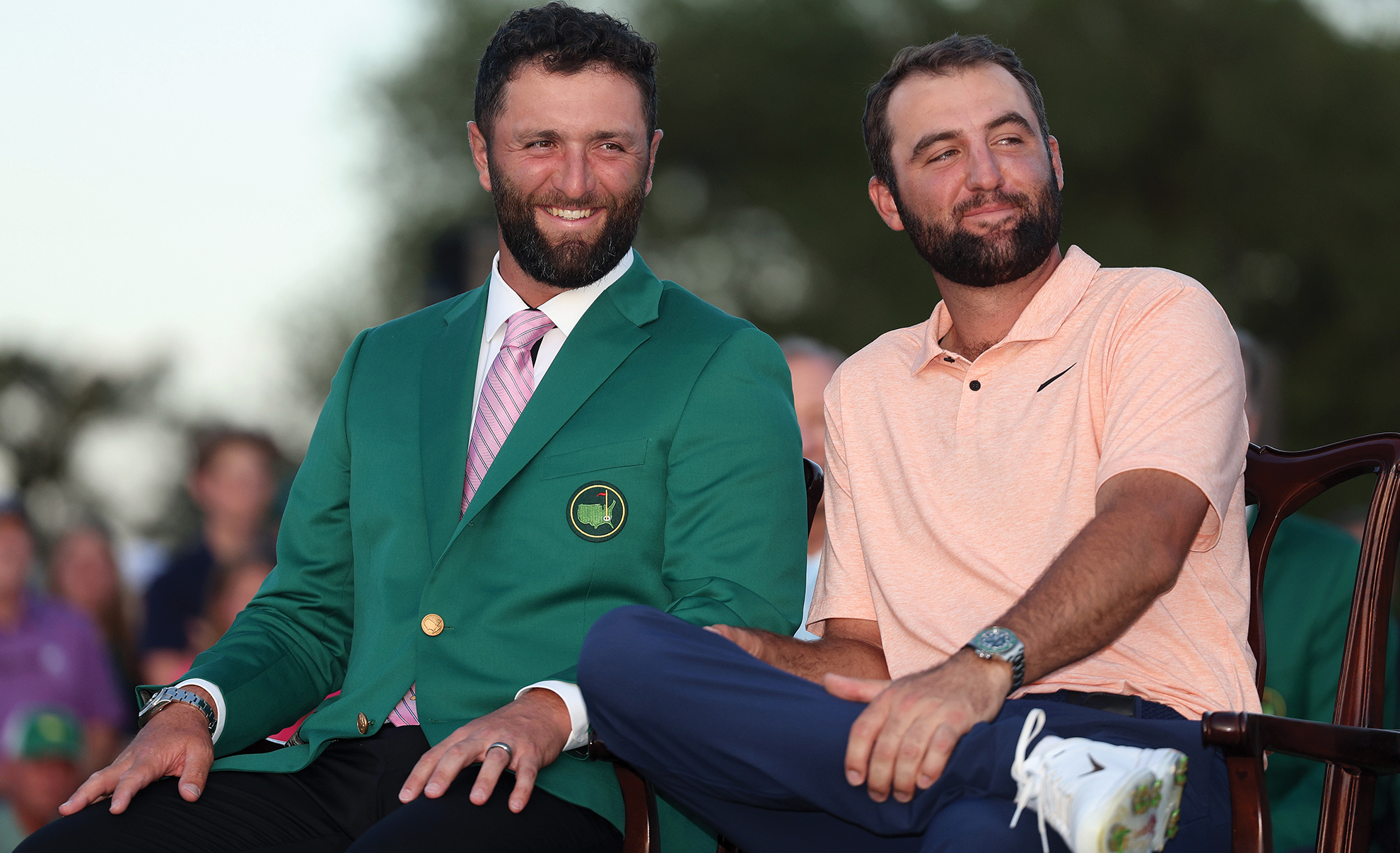
There is a genuine case for Rahm being the most intriguing player in the Masters field. The Spaniard won this tournament in 2023 by four strokes, has a US Open title to his name and arrives at Augusta in excellent form – back-to-back LIV Golf individual season titles, a team championship in 2025 and a win in Hong Kong already in 2026 suggesting a player operating at the very top of his game.
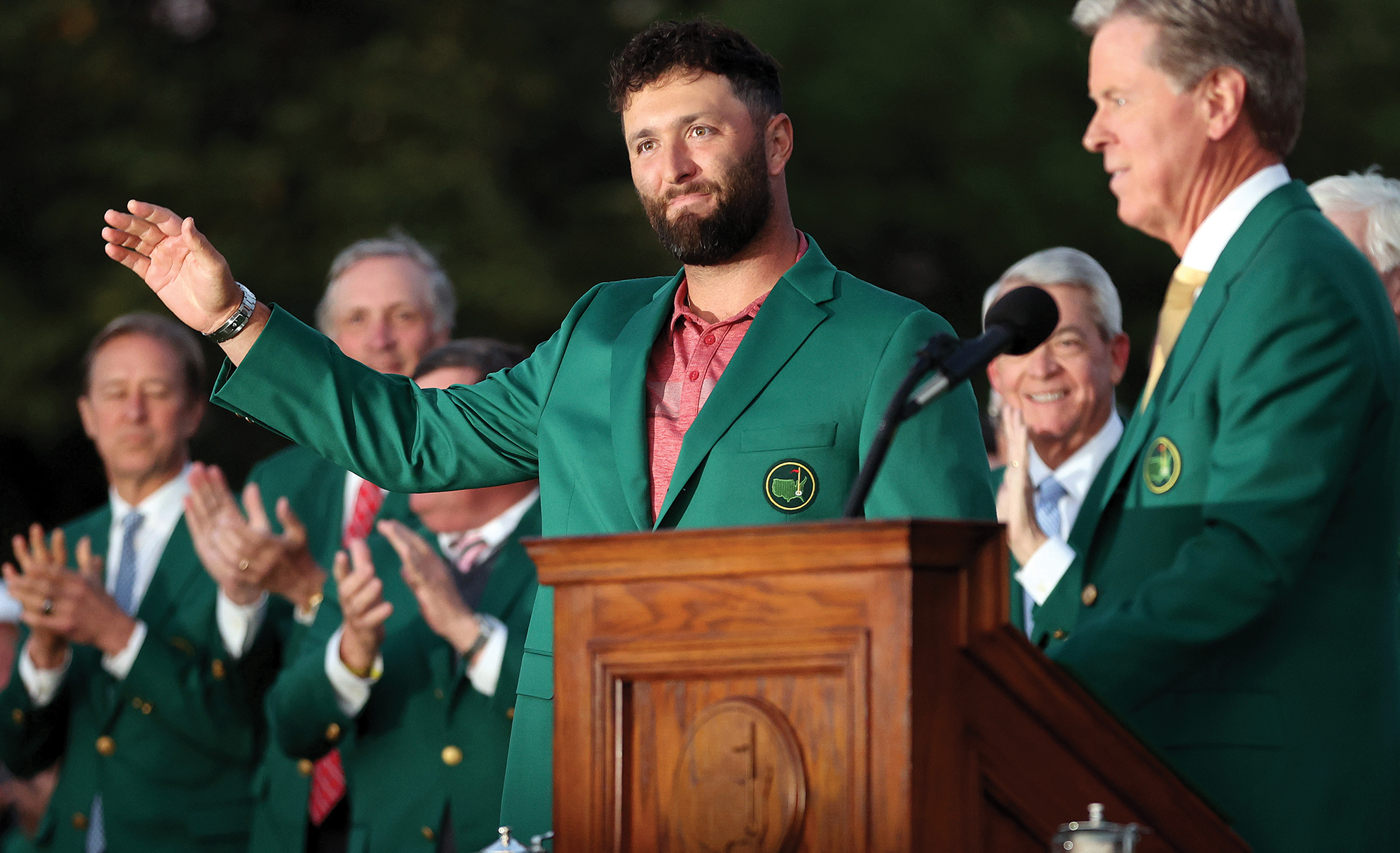
The feeling in the game is that Rahm, on his best days, remains as naturally gifted as anyone in the world. Augusta – where length off the tee, imagination around the greens and intelligent course management matter above everything — is a course built for the way he plays. He knows it, and so does the rest of the field.
This is his 10th Masters start. He knows every blade of grass. And with his form as strong as it has been in years, he may just be the man nobody is quite paying enough attention to.
THE OVERHYPED: XANDER SCHAUFFELE
Schauffele won two Majors in 2024 and briefly looked like a player ready to push Scheffler and McIlroy for genuine dominance of the game. Then came a rib injury that disrupted much of 2025, and he has not yet persuaded many observers that he is fully back to his best.
More missed cuts than top-fives in his last four trips to Augusta. A putting rank of 76th on Tour at one point this season. He looks, right now, like a player whose reputation is running slightly ahead of his form.
He absolutely has the game to win a Masters. But until the putter starts performing, faith in Schauffele feels more like sentiment than cold hard logic.
LET’S NOT FORGET TIGER…
Woods had his seventh back surgery in October – this time to replace a disc that was causing pain and restricting movement. By December he was chipping and putting. By January he was hitting short irons. As of the time of writing, he has not ruled out competing.
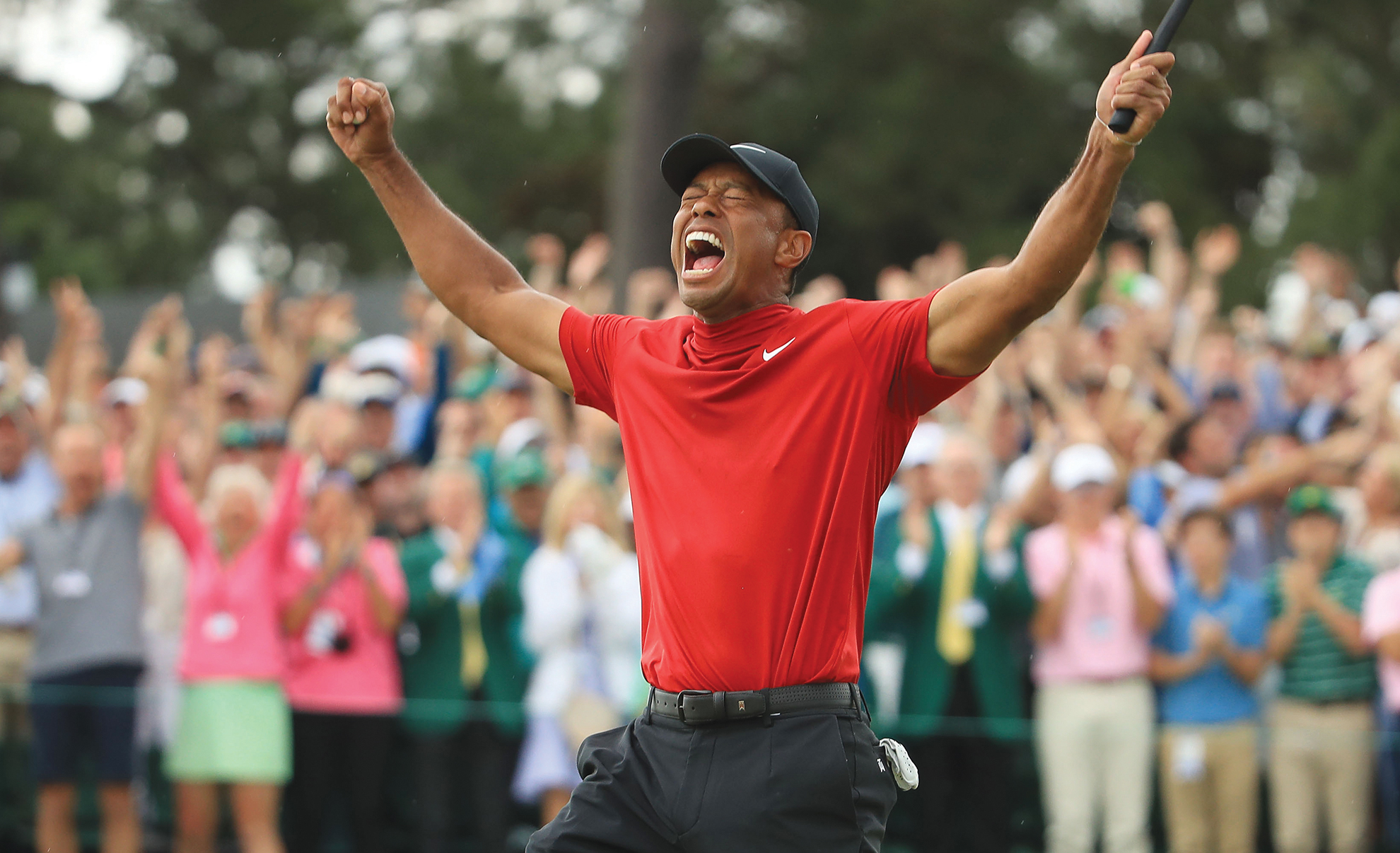
Five green jackets, second only to Jack Nicklaus’s six. His win in 2019, at the age of 43, remains one of the most extraordinary sporting comebacks any of us will ever witness. His 12-stroke winning margin in 1997, when he was 21 years old, is still the largest in Masters history.
If he does make it to Augusta, nobody will seriously believe he can win the 90th Masters. But then, nobody seriously believed that in April 2019 either.
THE ONE TO WATCH: COLLIN MORIKAWA
Morikawa is not getting nearly enough attention ahead of this year’s Masters and that, frankly, is baffling. Three consecutive top-10 finishes at Augusta, including a top-three last year. Leads the world in total strokes gained and strokes gained on approach. Won at Pebble Beach in February to end a 45-start drought on Tour. Has a PGA Championship and The Open already on his résumé.
Augusta National is widely and correctly regarded as a second-shot golf course. Morikawa is the best second-shot player in the world right now. The maths is not complicated.
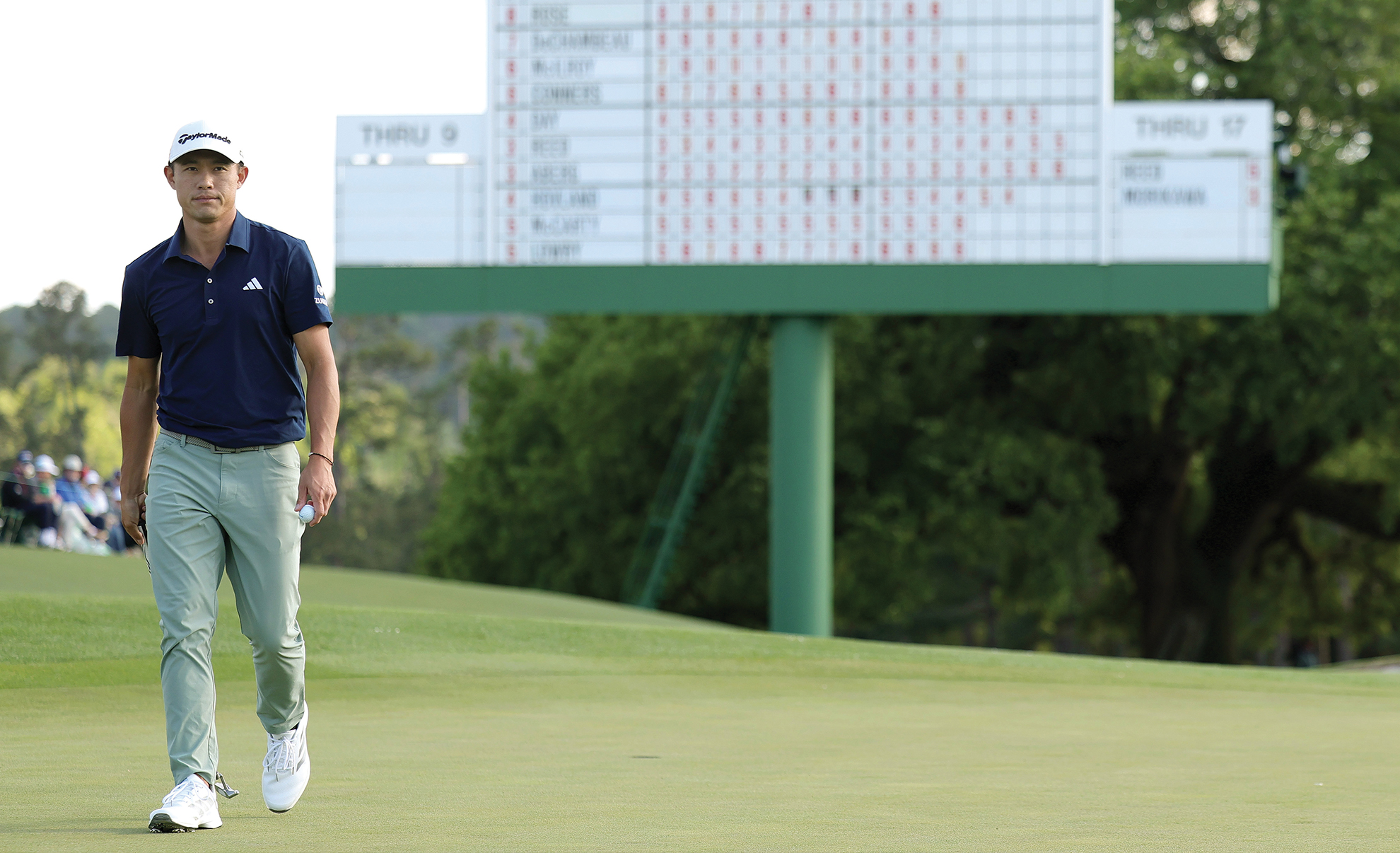
The knock on him has always been that he struggles to close. Those still making that argument haven’t been paying attention. He is playing the best golf of his career and if the wider conversation is sleeping on him ahead of this tournament, so much the better.
The 90th Masters begins on April 9. Set the alarm and enjoy the ride.