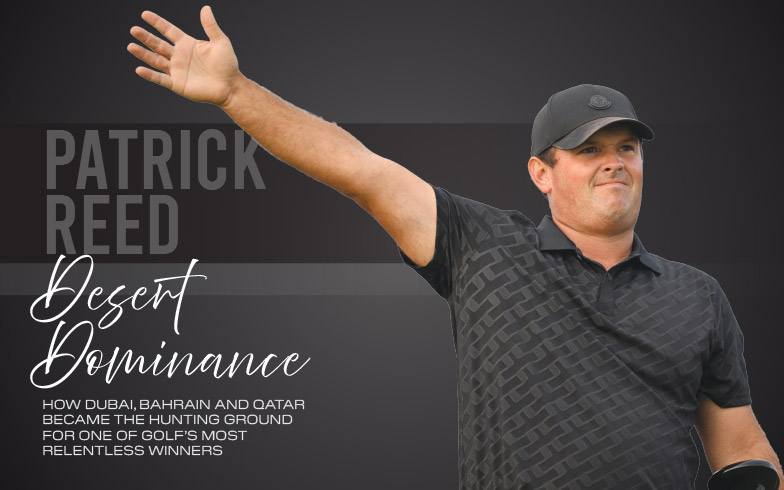
How Dubai, Bahrain and Qatar became the hunting ground for one of golf’s most relentless winners
PATRICK Reed has never been the sort of golfer who quietly blends into the wallpaper. Some players arrive, smile politely, sign a few caps, tell everyone how “honoured” they are to be there, then drift through the week like a man browsing for scented candles in Duty Free. Reed is not that golfer. Reed turns up like he has been personally insulted by the concept of finishing second.
This time, Reed’s name has returned to the conversation with an extra layer of intrigue, because the man who has spent the last few years living in golf’s most controversial neighbourhood has decided to move back to a more familiar street.
In a statement posted on his X page, Reed confirmed what many had suspected was coming. “After careful thought and consideration, my family and I have decided that I will no longer compete on the LIV Golf Tour.”
Then came the real headline, the sort that would make the golf world sit up straighter in its chair. “I am excited to announce that I am returning to the PGA TOUR as a past champion member for the 2027 season and am eligible to begin competing in PGA TOUR events later this year.”
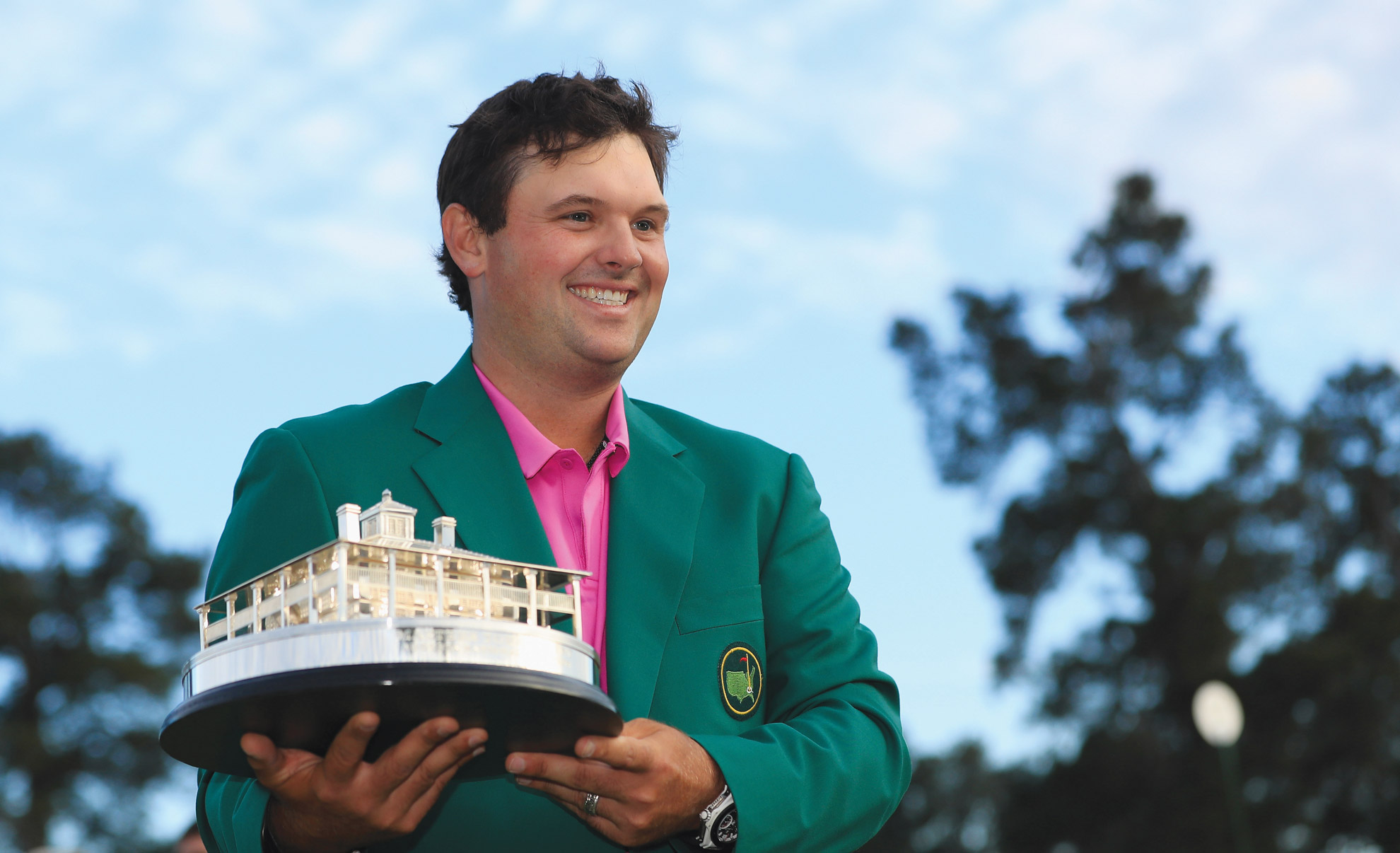
That is Reed in a nutshell. No half measures. No gentle re entry. No quiet soft launch. When he does something, he does it properly, with a statement that reads like a man packing his bags, slamming the door, and leaving the light on just to prove he can.
He also made it clear that the DP World Tour remains a significant part of his future. “I will continue to compete and play as an Honorary Lifetime Member on the DP World Tour, which is something that I am truly honored and excited to do.”
The most revealing line, though, was the one that sounded like it had been written by a golfer who still sees his career through the old school lens of legacy, Majors, and history. “I’m a traditionalist at heart, and I was born to play on the PGA TOUR, which is where my story began with my wife, Justine.”
Golf is a strange sport, full of modern technology, futuristic training methods, and million dollar swings built in laboratories, yet it is still obsessed with tradition. Reed knows that. He has always known that. Love him or loathe him, he has never been a man short on belief, and he has never been a man who thinks his story should end anywhere other than the biggest stage.
His statement carried another line that felt quietly important, not because it was dramatic, but because it was unmistakably final. “I am moving forward in my career, and I look forward to competing on the PGA TOUR and DP World Tour. I can’t wait to get back out there and revisit some of the best places on earth.”
Dubai, Bahrain and Qatar are certainly among them, even if the wind occasionally tries to relocate your golf ball to the next postcode.
Some golfers need familiarity. Soft greens, calm air, predictable bounces and a course that suits their eye like a favourite pair of shoes. Reed is the opposite. He seems to sharpen when conditions get difficult, when the wind gets involved, and when the course demands imagination rather than repetition.
The Middle East does not hand out trophies to tourists. Dubai, Bahrain and Qatar are places where the fairways run firm, the greens roll quick, and the breeze turns simple club selection into a full scale maths exam. Reed thrives on that. He thrives on the grind. He thrives on the feeling that every shot matters, because for him, it always does.
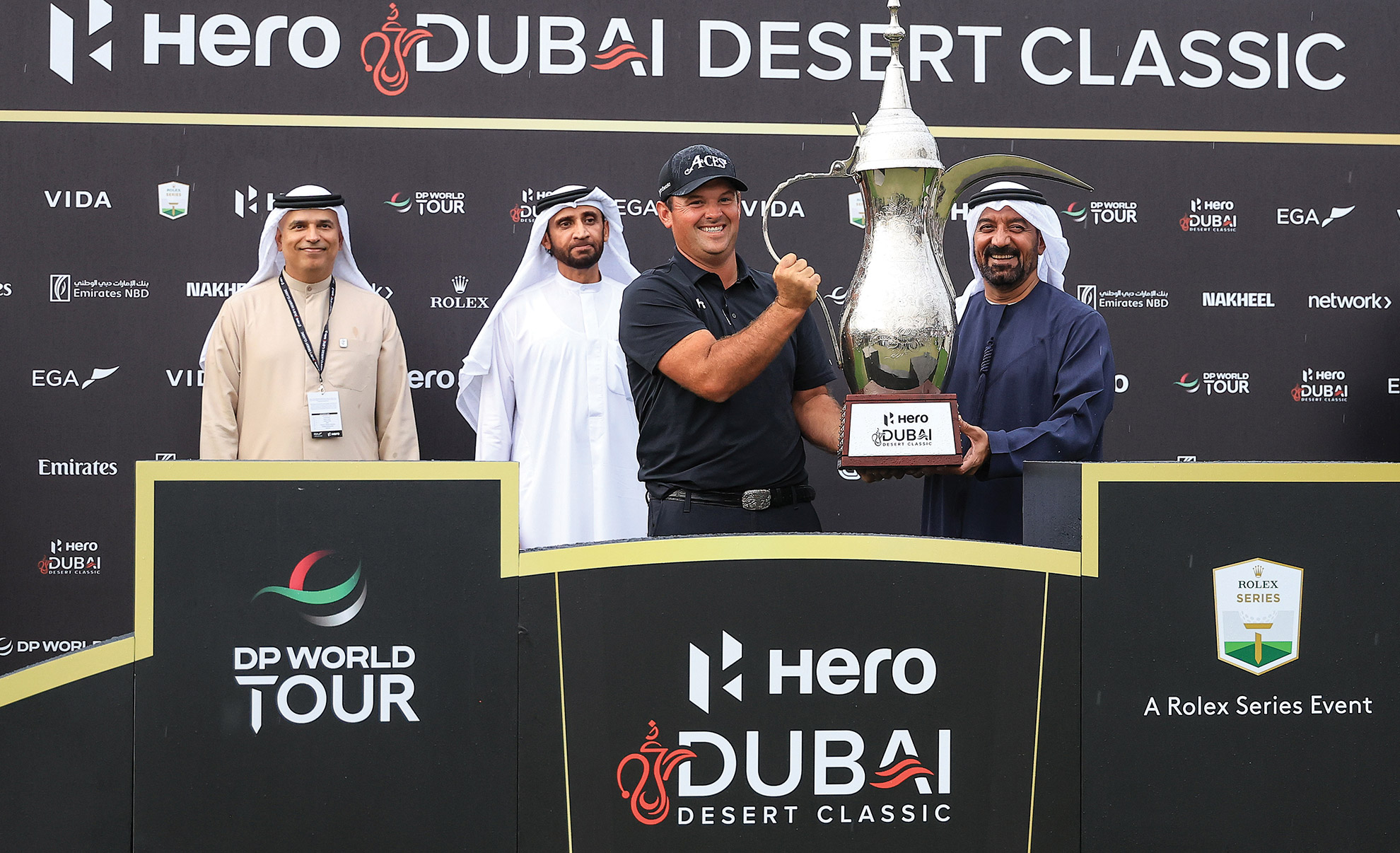
His record in this part of the world is proof that his skill set travels well. He does not arrive hoping to find form. He arrives expecting to contend.
In his statement, Reed admitted the last chapter had shaped him. “Over the last four years, I have learned a lot about myself, about who I am and who I am not, and for that I am forever grateful.”
That is not the language of a man winding down. That is the language of a man refocusing.
Winning the Hero Dubai Desert Classic is not like winning a minor tournament on a soft resort course where the only thing you have to fear is sunburn and an overpriced club sandwich. This is a proper championship. It is one of the DP World Tour’s crown jewels, a tournament steeped in history, and a place where you earn every single shot.
The Majlis Course at Emirates Golf Club has a long and proud habit of exposing anyone who arrives thinking they can simply hit driver, wedge, putt, and collect the trophy. It demands strategy. It demands control. It demands a short game that can bail you out when the desert decides to bite.
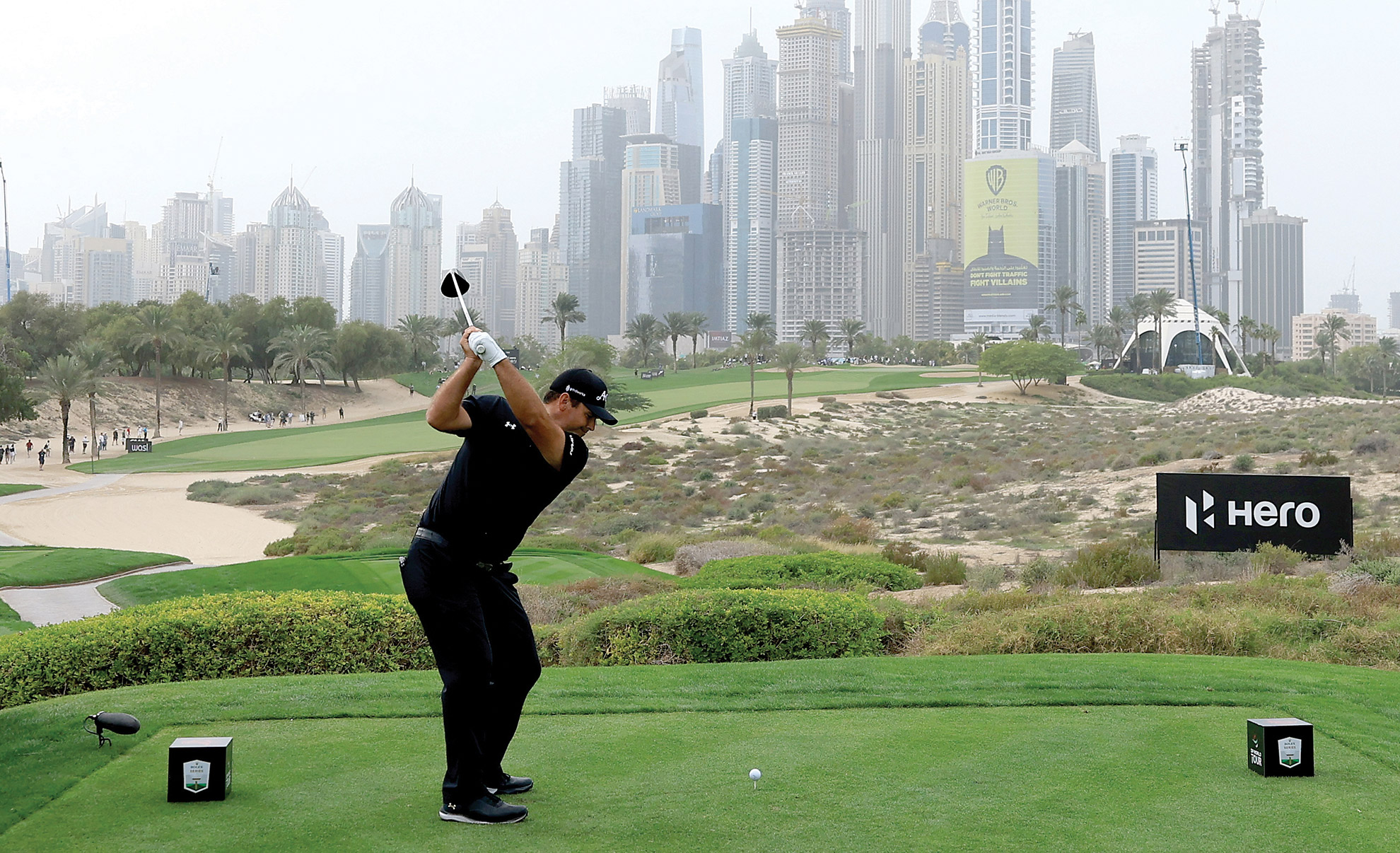
Reed’s victory there was not a fluke. It was a performance built on precision, stubbornness, and that unmistakable ability to thrive when other players start to tighten up.
Dubai is also a city that amplifies everything. The crowds are knowledgeable. The field is always stacked. The closing holes have a nasty habit of turning calm Sundays into panic attacks. Reed did not blink. He played like a man who had already written his own ending.
It was vintage Patrick Reed. Calm on the outside, ruthless underneath, and quietly confident in a way that makes the rest of the field feel slightly uncomfortable. Some golfers try to win by playing perfect golf. Reed wins by playing relentless golf.
Dubai is glamour – floodlights, skyscrapers, and champagne. Bahrain is different. Bahrain is where the golf gets its sleeves rolled up and starts throwing punches.
The wind is always lurking. The course is exposed. The fairways are firm enough to double as a runway. The greens can be slick enough to make your putter feel like it has betrayed you. It is the sort of place where players spend half the week complaining about conditions like they have been personally attacked by Mother Nature.
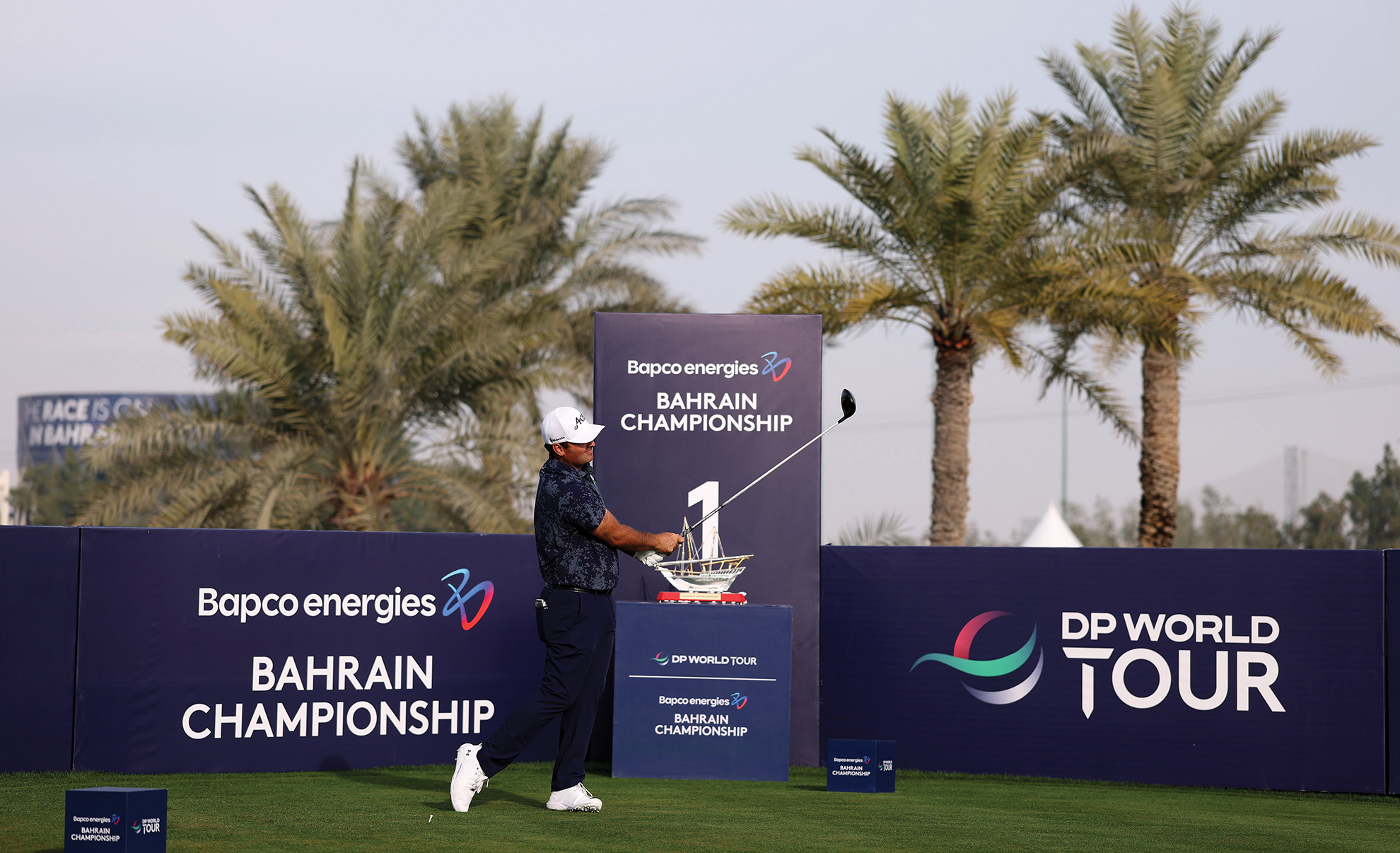
Reed never seems to complain. He adjusts. He plots. He grinds. He stays committed to his lines, his shots, and his plan, even when the ball takes a bounce that looks like it was guided by an evil spirit.
This time, he did not leave Bahrain with another trophy, but a T2 finish still felt like a warning shot. Reed was in the mix again, pushing, pressuring, and doing what he always does. Hanging around the top of the leaderboard like a man refusing to be removed.
In Bahrain, he didn’t quite get the win, but he reminded everyone how close he always is.
If Dubai is theatre, Qatar is tension. It is a venue that asks for discipline, patience and the ability to keep your head when the golf course starts demanding uncomfortable decisions. Reed, unsurprisingly, seems to enjoy exactly that kind of conversation.
He has already proven he can win there, adding Qatar to his growing list of desert conquests. It was another reminder that when the conditions are firm, the margins are tight and the pressure is real, Reed tends to move in the opposite direction to most of the field.
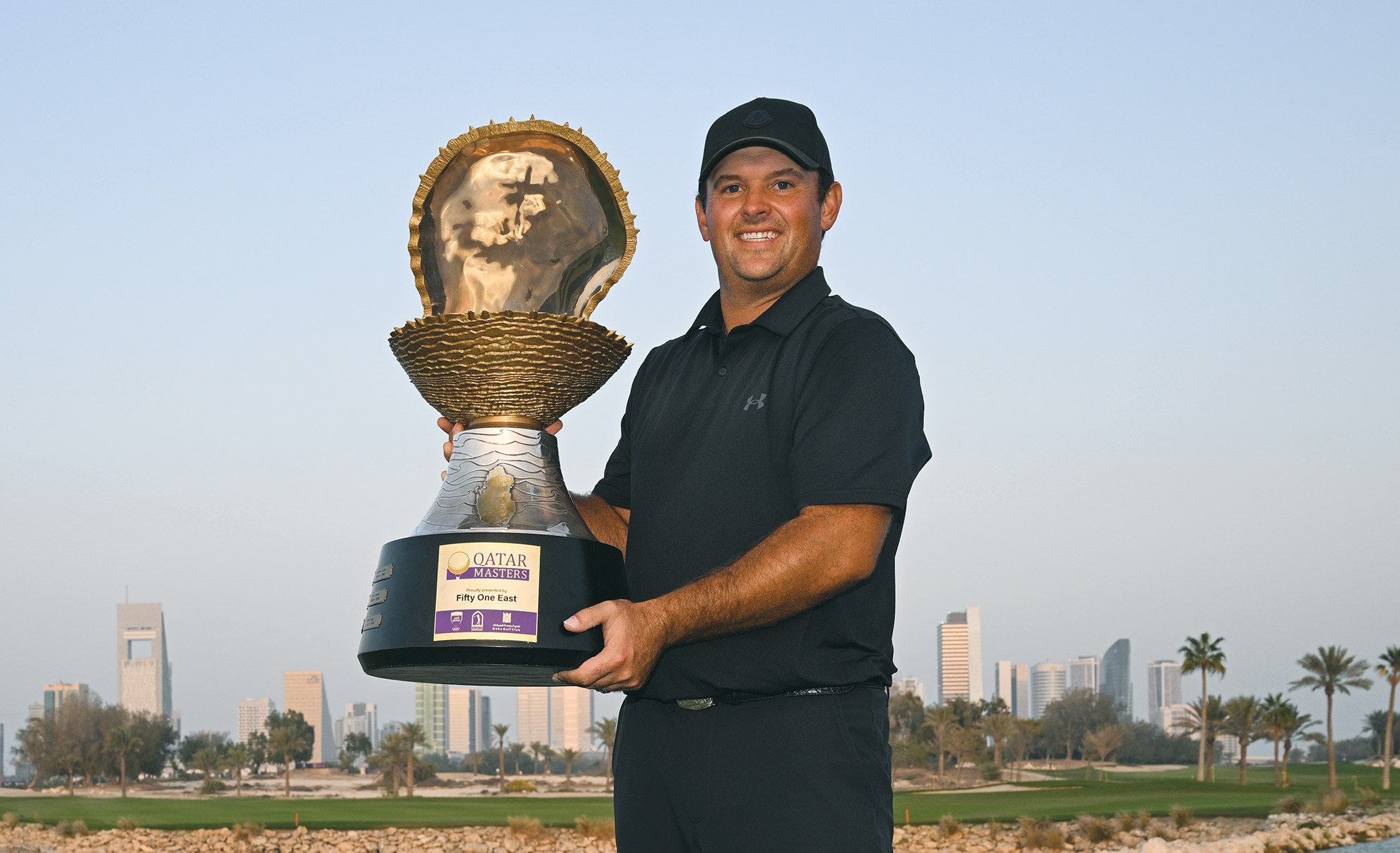
Others get cautious. Reed gets sharper.
Winning in Qatar reinforced what the Middle East swing has slowly started to reveal. This is not a player who needs everything to go his way. He just needs the course to offer a fight.
Ask anyone what makes Patrick Reed dangerous and most will not start with his driving distance. They will not talk about his physique, because Reed has never looked like a man who spends his evenings bench pressing SUVs. They will talk about what happens when he misses a green.
Reed’s short game is one of the sharpest in professional golf. He chips with imagination, pitches with aggression, and putts with the confidence of a man who believes gravity itself is on his payroll.
Desert golf magnifies that advantage. Firm greens and shaved run offs turn missed approaches into nightmares. Scrambling becomes everything. Saving par becomes an art form. Reed is an artist.
He makes pars when others make bogeys. He makes birdies when others are still trying to work out how their ball ended up ten yards off the green in the first place. Over four rounds, that is how tournaments are won. It is also how opponents slowly lose the will to live.
The Middle East swing has become one of the most important stretches of the DP World Tour season. The courses are world class. The fields are deep. The conditions are demanding. These are not tournaments you can coast through while treating it as a warm up.
Some players arrive early in the year still looking for rhythm. Some treat it like pre season football, a bit of fitness, a bit of practice, a nice tan. Reed does not do nice tans. Reed does not do warm ups. Reed arrives ready to compete, and he competes like the tournament owes him money.
His statement hinted at what really sits behind his decision to leave LIV. Reed is not leaving the breakaway tour behind out of bitterness. He is leaving it because he believes his next chapter belongs somewhere else.
He also took a moment to show respect to the people he shared the last four years with. “To Dustin Johnson, The Aces, and LIV Golf, I want to thank you for the memories we shared and created together.”
Then came the line that felt like the final stamp on the envelope. “I’m a traditionalist at heart.”
That is the truth behind the shift. Reed wants his career measured against the best. He wants to play the biggest tournaments. He wants his story to end where golf history is written, not where it is debated on social media at two in the morning.
It is too early to crown anyone the King of Desert Golf. This region has hosted champions like Tiger Woods, Rory McIlroy, Henrik Stenson, Sergio Garcia and Ernie Els, and the winner’s lists across the Gulf are stacked with Major champions and Ryder Cup icons.
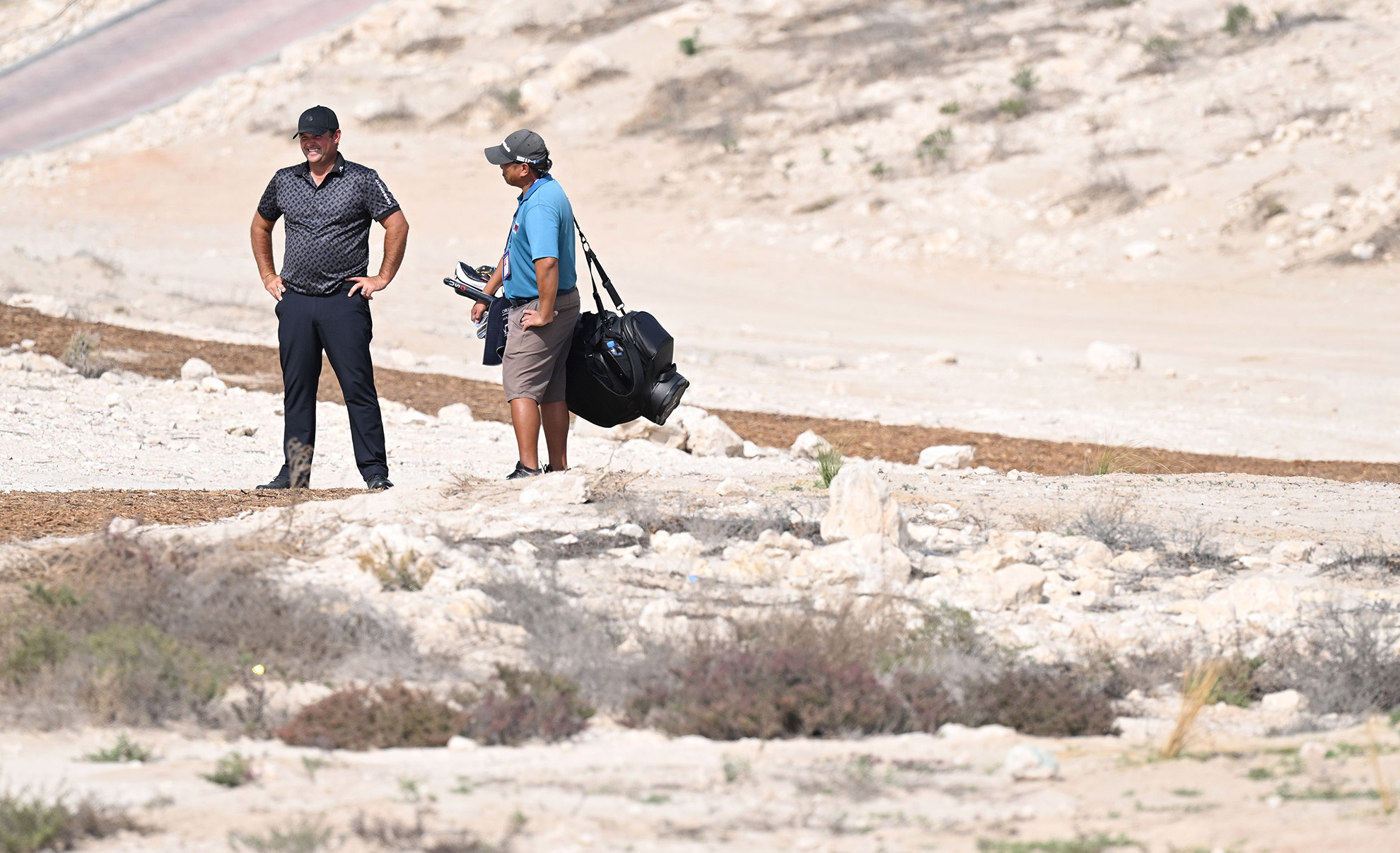
Still, Reed’s growing success in Dubai and Qatar, plus a T2 in Bahrain, makes one thing clear. He does not come here for a holiday. He does not come here to finish 12th and claim it was a “solid week.” He comes here to win.
Golf fans in Dubai, Bahrain and Qatar have seen many stars arrive. Some leave with memories. Some leave with excuses. Patrick Reed leaves with trophies.
The desert suits him. The wind suits him. The grind suits him. Most importantly, the pressure suits him.
For everyone else, that is a slightly terrifying thought.


