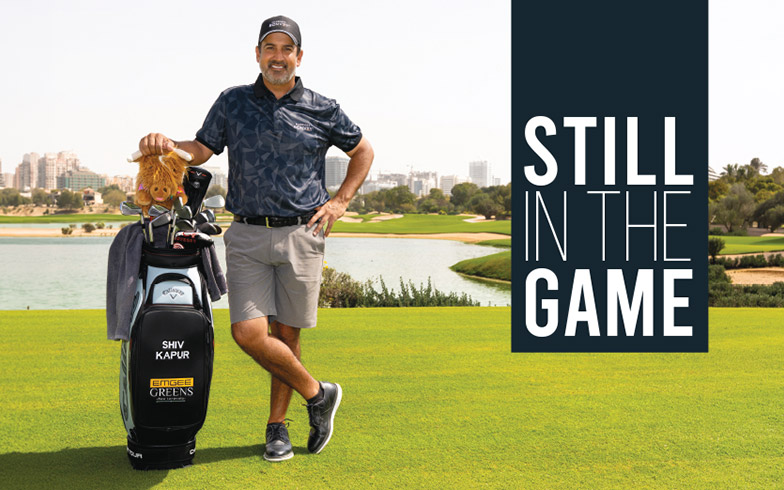
Two decades into a professional career that has taken him from Delhi to Purdue to fairways around the world, Shiv Kapur is entering an exciting new chapter – one being written, in part, from his base in Dubai
Ask Shiv Kapur what drives him at this stage of his career and the answer, delivered with characteristic directness, is refreshingly simple. He still wants to compete. He still wants to win. And he’s starting to get a real kick out of helping others do the same.
It has been quite a journey to get to this point. The Delhi-born professional has spent more than two decades competing across Asia, Europe and beyond, racking up titles on the Asian Tour and earning a reputation as one of Indian golf’s most enduring figures. These days, you are as likely to find him honing his game at the Els Club in Dubai – his adopted home – as you are watching him tee it up in a tournament. And with a schedule trimmed back to 15 to 18 events a year, he has found a pace that suits him just fine.
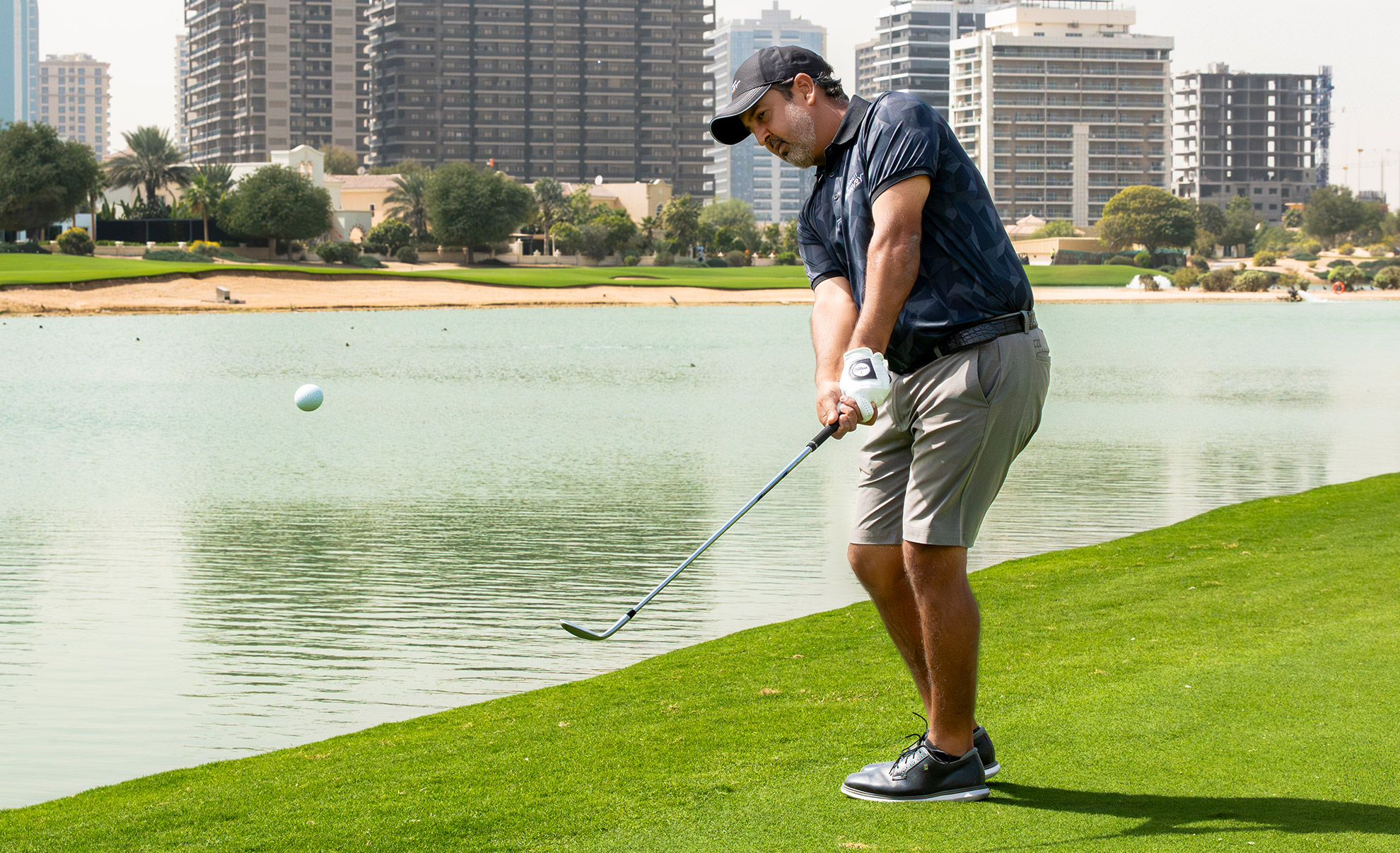
“Having played more than two decades now around the world and on all the top tours, I kind of at this stage in my career want to slow down a little bit,” he smiles. “I’m not playing 30-35 weeks like I used to.”
It is a considered shift – but then Kapur has always been a man who thinks carefully about his next move. That instinct was tested early. When the time came to pursue higher education, his family had Harvard in their sights. His sister had gone there. It was the obvious choice. Kapur had other ideas.
“Every parent, especially Indian parents, is very big on academics,” he recalls. “My sister went to Harvard, and they were keen that I pursued an education. I was insistent that I wanted to give golf a shot.”
He chose Purdue University in West Lafayette, Indiana instead, and the decision proved formative. The training regime, the demanding schedule, and crucially the conditions – cold, windy, nothing like the relatively calm fairways back home in Delhi – gave him a steel that proved the perfect grounding for what was to come. “If I were to turn back the clock and do it all over again, I wouldn’t choose a different place,” he says.
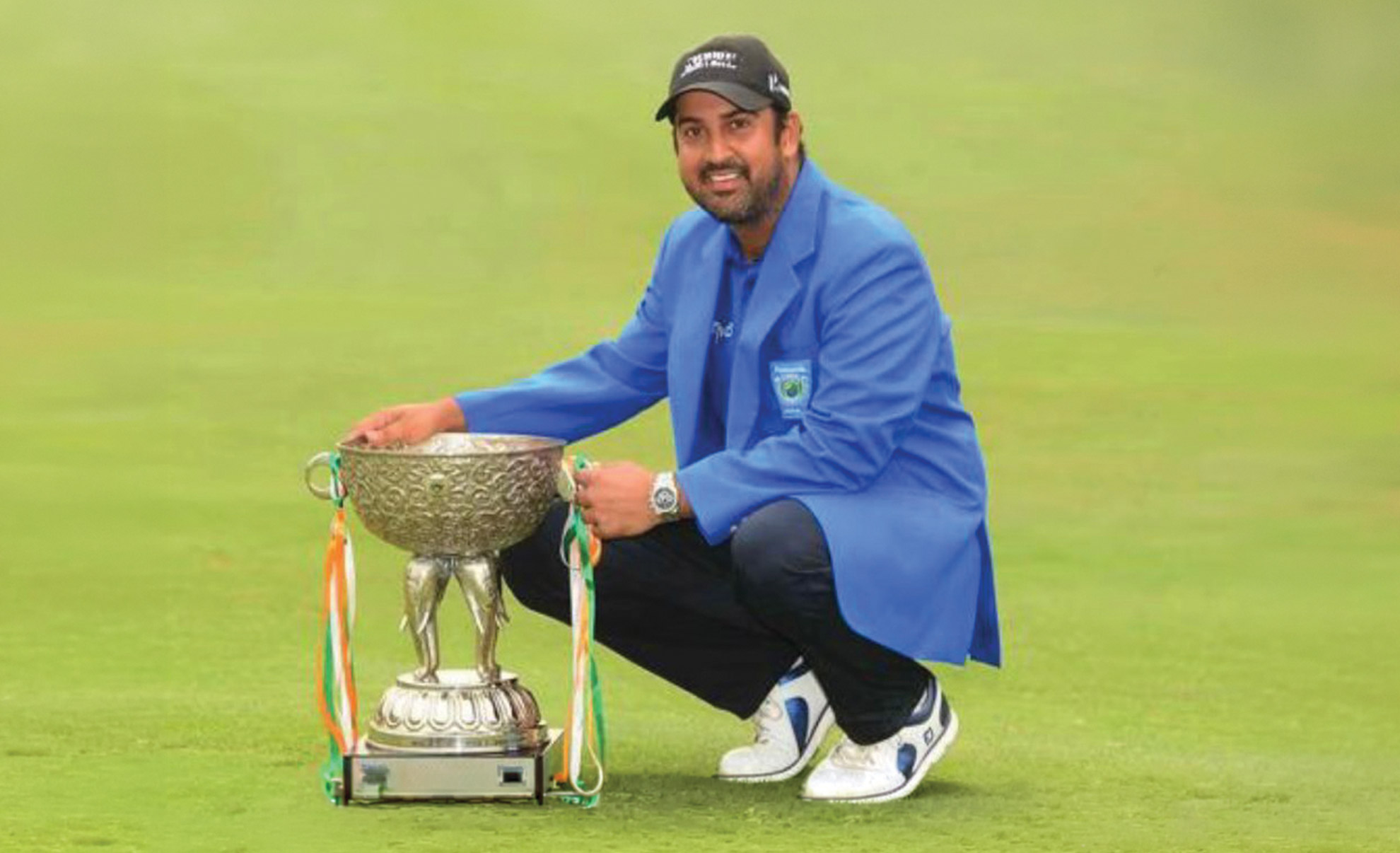
He arrived on tour with the confidence of a strong amateur career behind him, one that included Asian Games gold, and wasted little time in making his mark. Victory in the Volvo Masters of Asia in his rookie year immediately raised the bar.
“The minute you win, you suddenly have higher expectations of yourself – not just from yourself, but everyone expects you to perform at a higher level,” he says. “Yes, the burden of expectation increased. I was playing at a higher level, started playing in the Majors, the World Golf Championships, moved on to the DP World Tour, so it did get harder. At the same time, I went in with confidence and belief that I could win.”
Not every moment of that journey has been plain sailing. A play-off defeat to Richie Ramsay at the 2009 South African Open remains a vivid memory – one of those near-misses that either define a player or derail them. Kapur is candid about what went wrong.
“In hindsight, I let my mind race ahead to winning rather than staying in the moment,” he says. “It was a great learning curve for me. I promised myself that the next time I’m in that position, I won’t allow my mind to race ahead.”
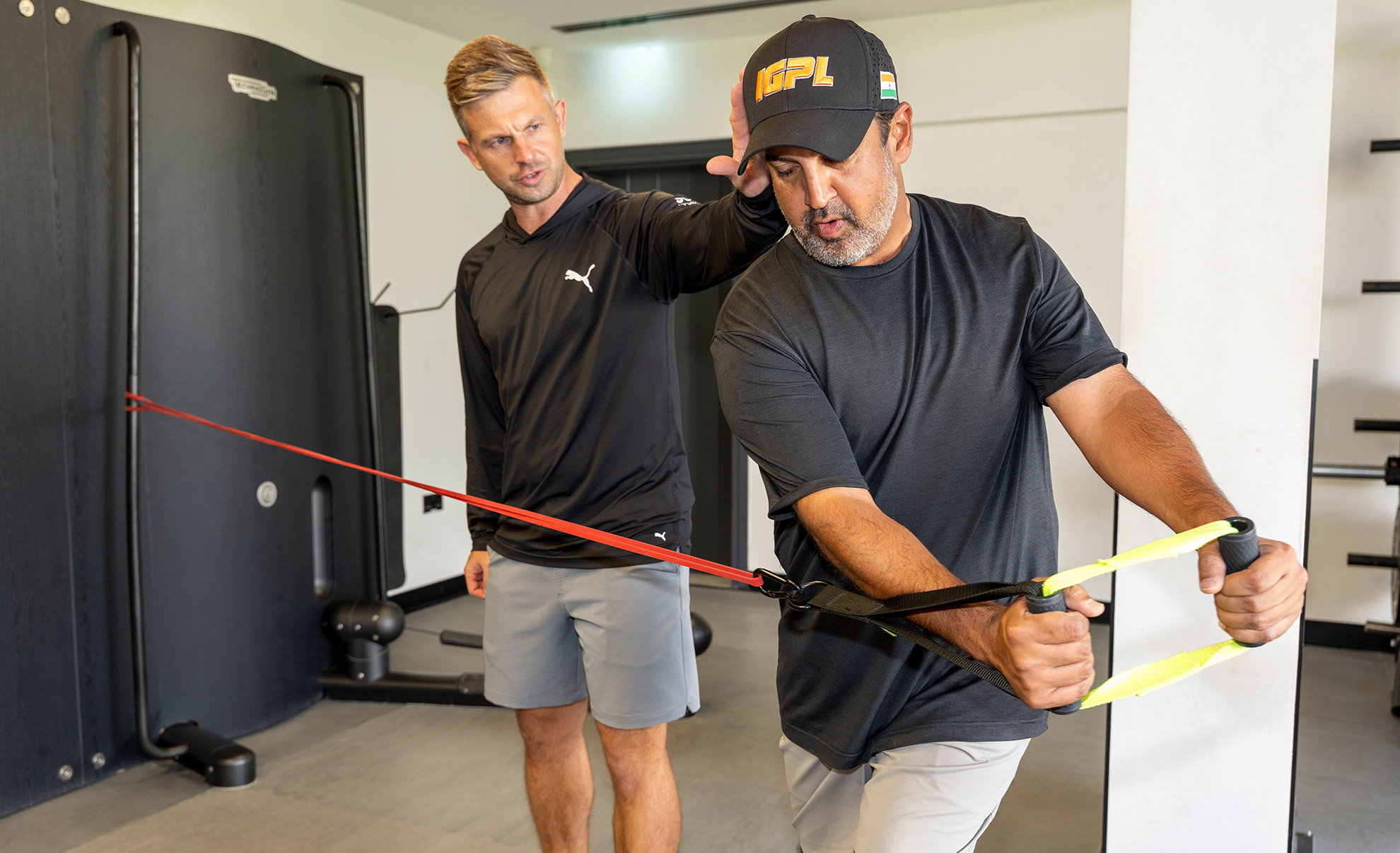
Twenty-one years on from turning professional, Kapur is still out there, still competing, still learning. He attributes much of his longevity to a decade-long partnership with coach Shane Gillespie, and to an evolving understanding of the physical demands of the modern game. He watched Tiger Woods speak recently about how the advice of his early career – don’t work out, it’ll make you stiff – has since been completely reversed, and nods in recognition.
“Recovery is just as important now,” Kapur says. “I’ve been guilty in the past of trying to keep up, overtraining, and under-recovering.” He points to Justin Rose as a model. Still winning at 45 on the PGA Tour, still contending in Majors, built on a meticulous recovery routine. “There’s a lot to learn from that.”
Growing up in a cricket-mad country inevitably left its mark. Kapur remains a devoted fan of the sport and counts several top cricketers among his close friends. What he has taken from them is something less tangible than technique.
“What you learn from them is that if they can be the best in the world at their sport, there’s no reason why we can’t,” he says. “You learn about excellence, how to train, how to handle yourself under pressure, and what it’s like to perform in front of 1.4 billion people.”
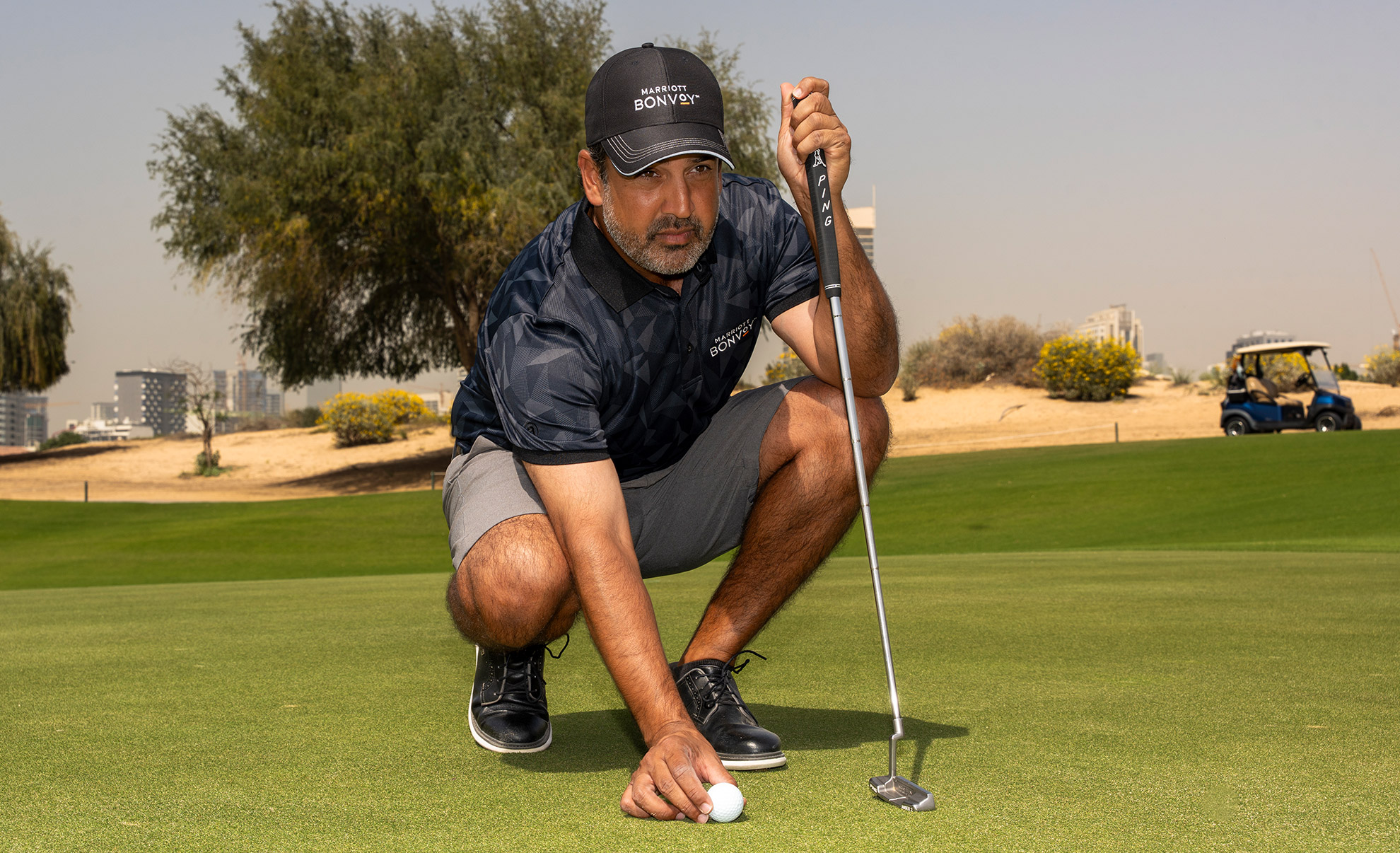
It is a mindset he now hopes to help pass on – and that ambition has taken on a formal shape through his involvement in the Indian Golf Premier League. India’s first franchise-based golf league, the IGPL launched in 2025 in partnership with the Indian Golf Union, with cricket icon Yuvraj Singh as co-founder and brand ambassador. Think IPL, but with fairways instead of pitches. Six city-based teams, mixed men’s and women’s competition, and a genuine desire to drag the sport into the mainstream. Kapur has taken on the dual role of franchise captain and mentor.
“I’ll be playing 8 to 10 events on the IGPL,” he says, “and probably another 6 to 8 events on the Asian tour.” That, he is clear, is plenty.
His mentoring role extends well beyond the tournament ropes. “I was very lucky to receive guidance and help from the likes of Jeev Milkha Singh and Gaurav Ghei when I was growing up, and now I want to give back to the next generation,” he says. The IGPL’s broader plans – new golf academies, new courses, a push to take the game beyond elite clubs and into schools across India – clearly light him up.
“Golf in India is now the fastest-growing sport,” he says. “The corporate game is booming. Over the next five to ten years, I think we’ll see a massive uplift in the game. We’ll see some champions coming out of India in the next decade.”
And the MENA Golf Tour, thriving on his doorstep? Kapur is genuinely warm about where it is headed – expanding into new territories, playing quality courses, developing real talent – but pragmatic about his own schedule. “Currently with my commitments, I don’t foresee myself playing much on the MENA Golf Tour,” he says. “But it’s obviously an option for the future. I think it’s great for the growth of the game, not just in the UAE, but the entire Middle East.”
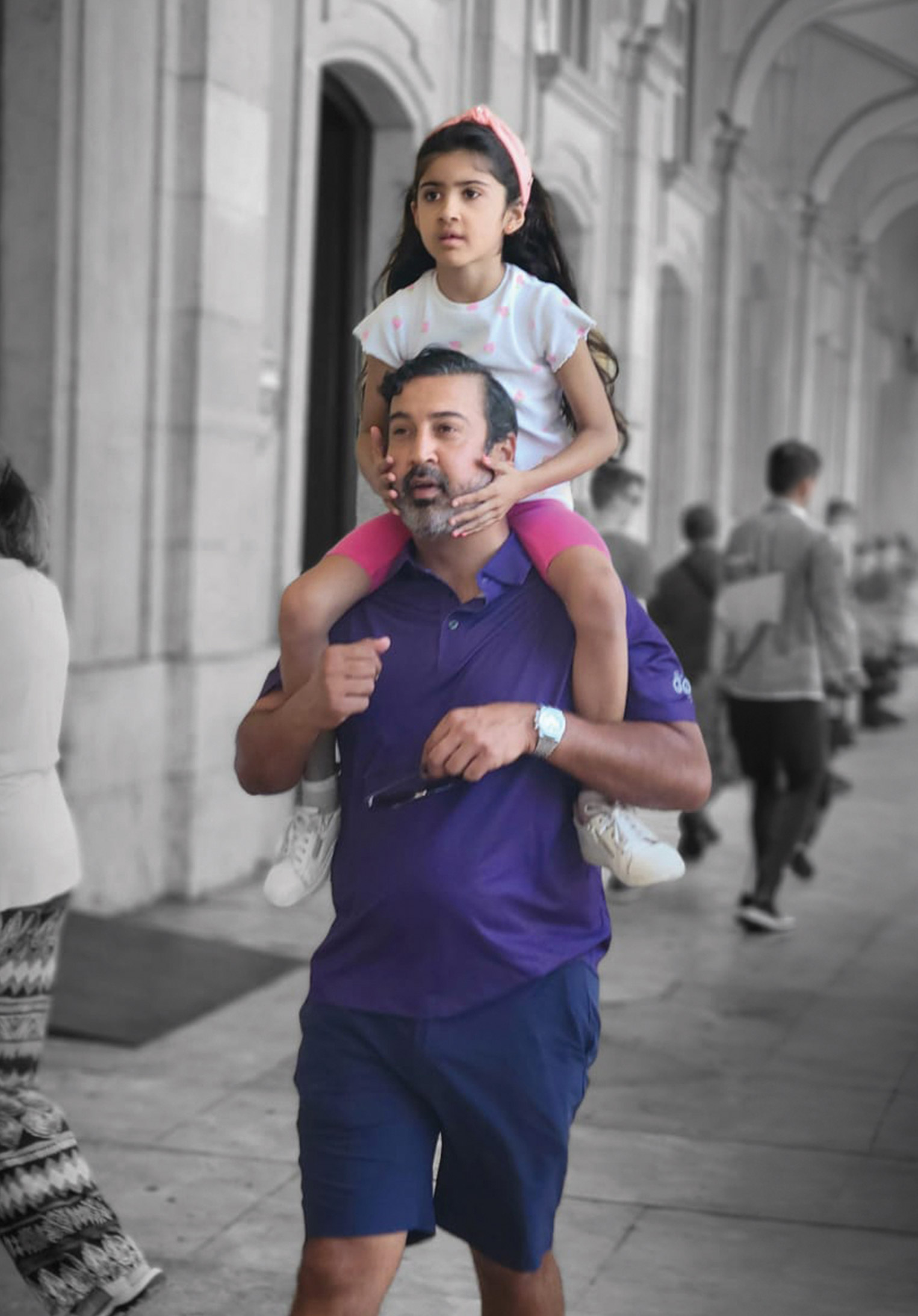
Away from the game, life in Dubai suits him well. He is, above all else, a father to an eight-year-old daughter, and much of his daily rhythm is built around that. Paddle with friends in the evenings, a barbecue, a glass of wine. For a man who spent years logging 30-plus weeks on tour, it sounds genuinely unhurried.
“Being a dad is almost a full-time job,” he says. “But outside of golf, I love my sports. I love cricket, tennis, and I play paddle with my friends here.”
The portrait that emerges is of a man very much at ease with where he is – not winding down, but reorientating. The game still has plenty to offer Shiv Kapur. And by the look of things, he has plenty still to offer it.


