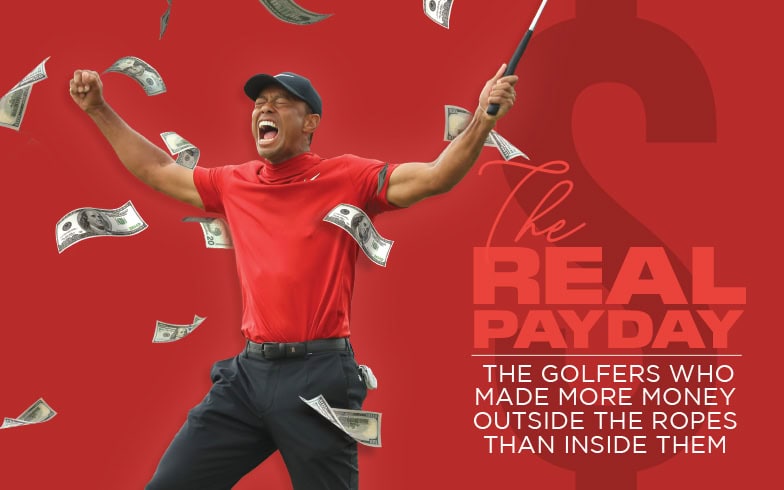
The golfers who made more money outside the ropes than inside them
Golf is one of the few sports where you can win Majors, earn generational wealth — and still make your biggest money nowhere near a leaderboard.
Prize money is clean, public and easy to calculate. Everything else — endorsements, licensing, course design, equity stakes, media work, hospitality concepts, appearances and long-term investments — often dwarfs it. In many cases, by hundreds of millions.
For a select group of golfers, tournament success was never the end goal. It was the launchpad.
Tiger Woods: turning dominance into an industry
Tiger Woods earned approximately $120 million in official PGA Tour prize money, a figure that once seemed untouchable. Yet even that extraordinary total is barely a fraction of his overall financial impact on the sport.
Woods’ career earnings are estimated to exceed $1.7 billion, with more than 90 per cent generated outside competitive golf. At his commercial peak, Tiger was reportedly earning $90–100 million annually in endorsements, driven by a Nike partnership believed to be worth over $500 million across nearly three decades.
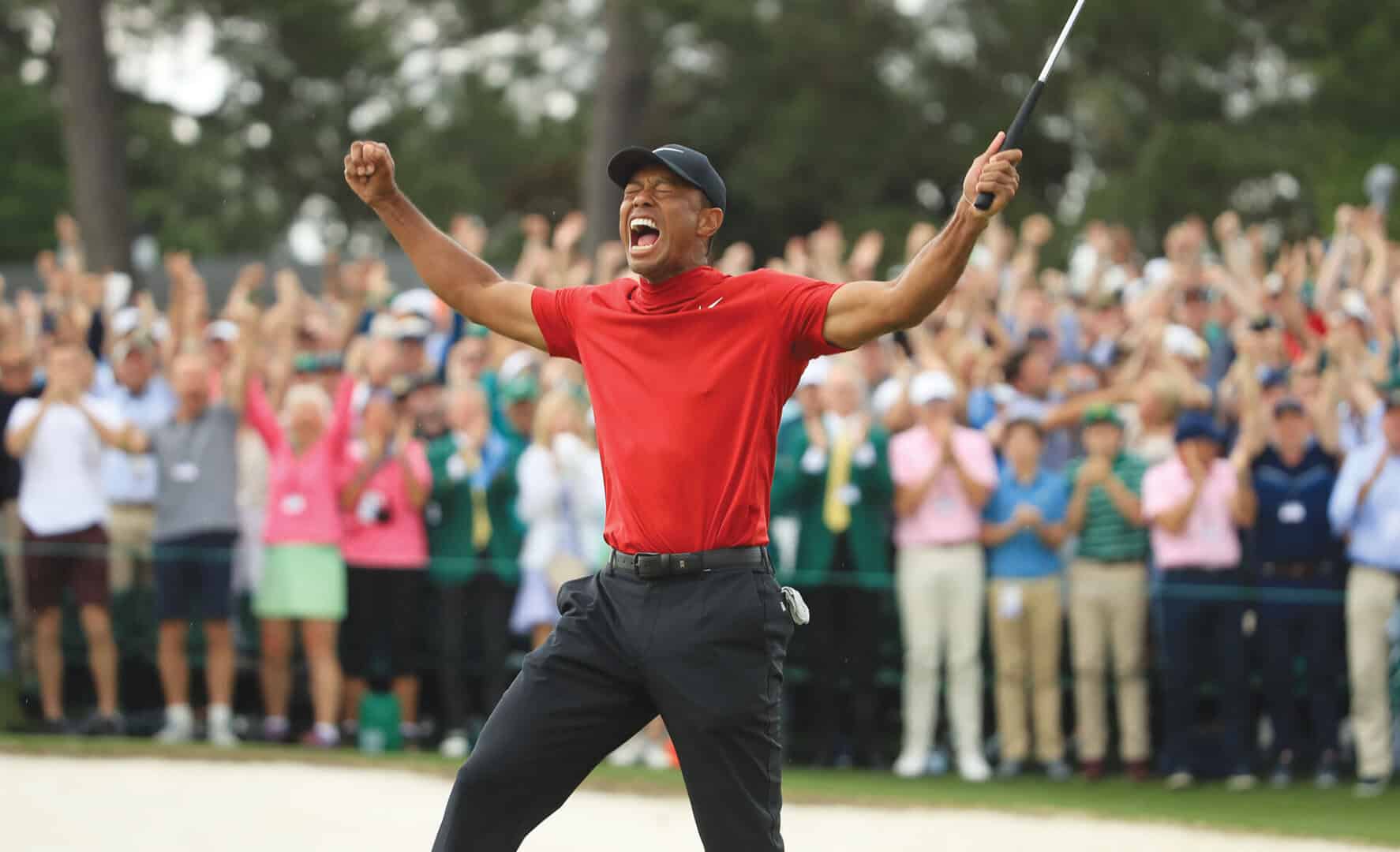
As his playing schedule reduced, Woods pivoted intelligently toward ownership. Through TGR Ventures, he has built a portfolio spanning course design, hospitality, PopStroke and co-founding TGL — businesses designed to scale independently of his playing career.
In Tiger’s case, the takeaway is clear: elite performance created the opportunity, but ownership and equity ensured the wealth endured.
Arnold Palmer & Jack Nicklaus: the original off-course empires
Arnold Palmer earned around $2 million in career prize money, a respectable sum in his era. By the time of his death in 2016, however, his estimated net worth exceeded $700 million.
Palmer’s genius was relatability. He transcended golf to become a mainstream commercial figure, building wealth through endorsements, licensing, aviation and hospitality — and leaving behind one of sport’s most enduring personal brands. His financial success proved that personality could be just as valuable as performance.
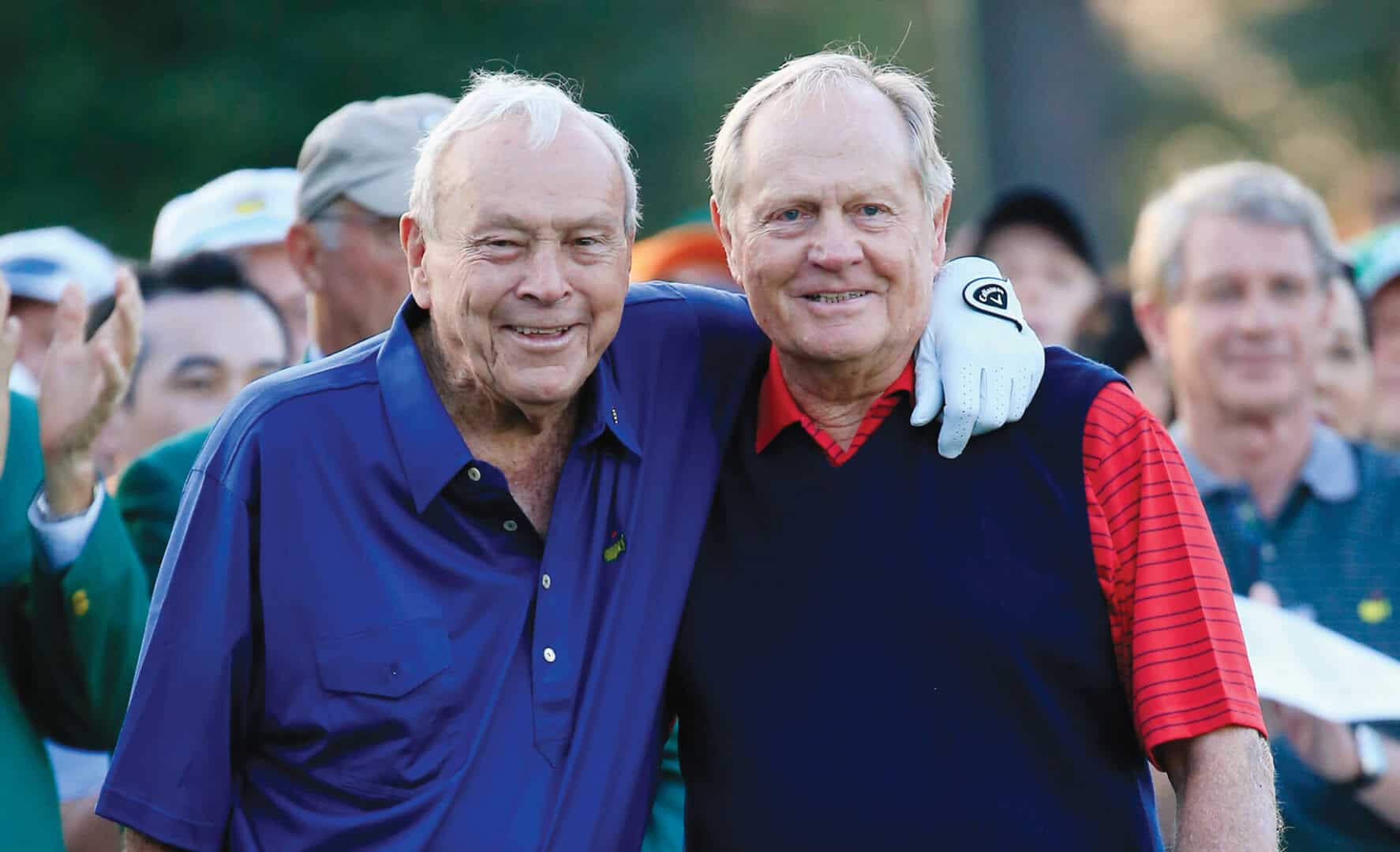
Jack Nicklaus followed a different, arguably even more lucrative route. Nicklaus earned approximately $5.7 million in PGA Tour prize money, yet his career earnings are estimated north of $1 billion. The foundation was Nicklaus Design, now responsible for more than 400 courses worldwide, driving revenue through real estate development, consultancy and licensing.
Together, Palmer and Nicklaus demonstrated two early truths: you can monetise who you are, or you can monetise what you build — but either way, golf can be far bigger than golf.
Greg Norman: seed capital for a global business career
Greg Norman was one of the dominant players of his generation. His official PGA Tour prize money totalled $14.5 million, and when worldwide competitive earnings are included, his on-course total is estimated at $17–18 million — enough to make him the first golfer in history to surpass $10 million in career earnings.
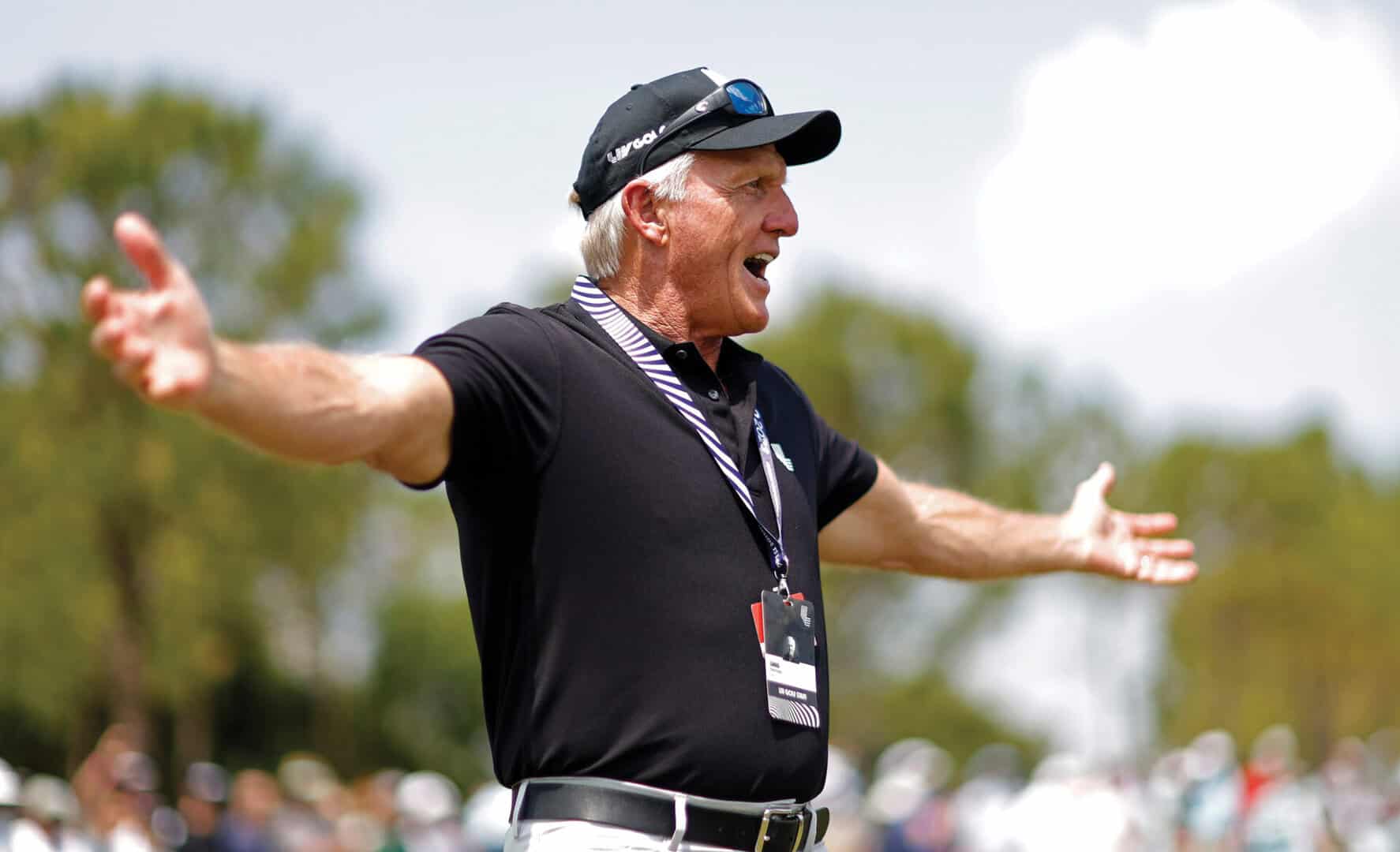
Yet that milestone pales beside his off-course success. Norman’s career wealth is widely estimated between $300–400 million, built through an aggressively diversified portfolio including course design, apparel and licensing, real estate, wine, beef and global brand partnerships under the Great White Shark banner.
Norman understood early that golf was not the product — it was the proof of credibility. His career shows how elite performance can be converted into long-term commercial leverage far beyond tournament purses.
Phil Mickelson: when personality becomes the business
Phil Mickelson earned over $96 million in PGA Tour prize money, placing him among the most successful on-course earners in history. But his real financial strength has always lived off the leaderboard.

Mickelson’s off-course earnings are estimated to exceed $800 million, driven by endorsements, corporate appearances, media work and long-term sponsor relationships. His value was never confined to trophies alone — it was rooted in visibility, charisma and a reputation for being compelling television.
Mickelson’s career illustrates a simple reality: in golf, sustained relevance can be just as valuable as sustained excellence.
Rory McIlroy: the modern equity golfer
Rory McIlroy has earned approximately $80 million in official PGA Tour prize money, with total competitive earnings climbing significantly when global events and bonuses are included.
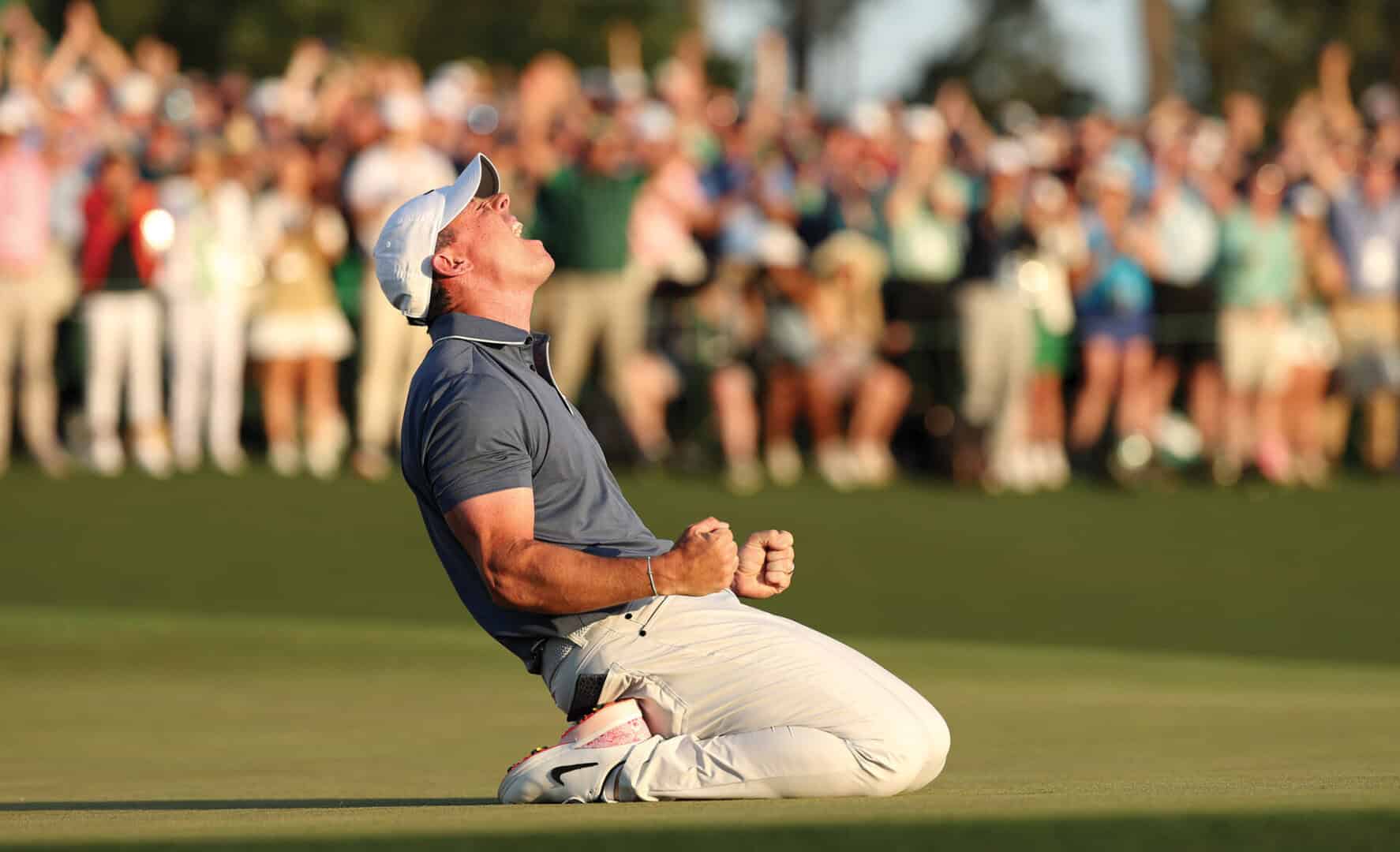
His career earnings are estimated to exceed $500 million, fuelled by major endorsement deals — including a long-term Nike agreement believed to be worth around $200 million — and increasingly by equity-based ventures. As a co-founder of TGL, McIlroy represents a new generation of golfers shifting from endorsement income toward ownership and long-term upside.
Rory’s financial success reflects a modern strategy: fewer deals, stronger alignment, and a focus on assets that grow beyond a playing career.
What it all tells us
Prize money may define careers on paper, but it rarely defines wealth.
The golfers who truly win financially understand that success inside the ropes is leverage — not the finish line. Whether through branding, business, ownership or equity, the smartest players use the game to build platforms that keep paying long after the final putt drops.
In modern golf, the most valuable shot you can play may not be on the course at all.